The Nigerian Senate votes on a state police bill amid division over governors' powers.
Nigeria – Boubacar Sani
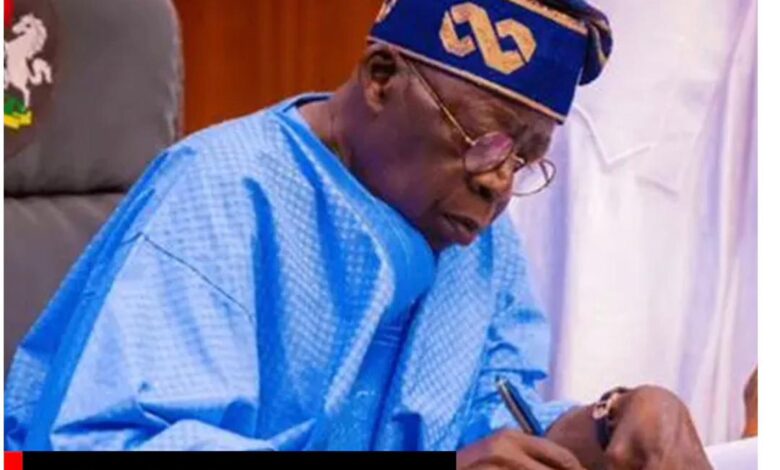
The Nigerian Senate is preparing to hold a crucial vote on a bill to create state-level police forces, following President Bola Ahmadu Tinubu's submission of a constitutional amendment bill to parliament, in a move that could represent one of the most significant security reforms in the country's modern history.
The anticipated vote comes amid escalating security challenges facing Nigeria, including violence, kidnappings, and armed attacks, which has prompted many states to demand greater powers to manage local security.
Tinobo is pushing for constitutional amendments
The bill seeks to amend the 1999 constitution to allow for the creation of state-level police forces alongside the Nigerian Federal Police Force, a proposal that has the support of a large number of state governors and security officials.
Senate President Godswell Akpabio stressed that the bill represents a historic reform that will restructure the country’s security system and strengthen local security management, calling on members of the Senate to fully participate in the voting session.
He also explained that the council will work to expedite legislative procedures and refer the project to the state legislative councils as soon as it is approved.
Experts divided over the powers of referees
The proposed state police system has sparked a wide-ranging debate among military leaders, former police officers, and security experts about the extent of powers that should be granted to state governors.
A number of experts believe that local police forces should be responsible for internal security, intelligence gathering, investigations, and community policing, with constitutional safeguards in place to prevent abuse of power.
Conversely, others warned against granting rulers broad powers that could lead to the exploitation of security services for political purposes or their use against rivals and opponents.
Calls for independent oversight mechanisms
Security experts have called for the establishment of independent bodies to oversee state police forces, ensuring transparency and accountability and preventing political interference.
Some experts have also suggested forming local security committees to advise governors on security policies and the management of human and financial resources for the new agencies.
Supporters of the project believe that the local police will contribute to improving intelligence gathering and enhancing trust between citizens and security agencies, as well as speeding up responses to security threats.
Support from state governors and reservations about funding
The project enjoys broad support from state governors who have been demanding for years that they be given greater constitutional powers to manage security matters within their states.
Supporters argue that security decentralization will help to address local challenges more effectively, especially in areas suffering from insecurity.
Conversely, critics raise concerns about the cost of establishing independent police forces in each state, as well as the risks of politicization and the potential for those forces to be used in local political conflicts.
A historic step awaits US approval
For the constitutional amendment project to become effective, it must obtain the support of two-thirds of the members of both houses of parliament, in addition to the approval of at least 24 state-level legislative councils, before being referred to the president for final ratification.
Observers believe the outcome of the vote will determine whether Nigeria is heading towards the biggest overhaul of its security system since independence, amid growing calls for security solutions that are closer to local communities.