Energy emergency and electricity rationing: The repercussions of the Iran-US war on Africa
The impact of a US-Iranian war on African countries
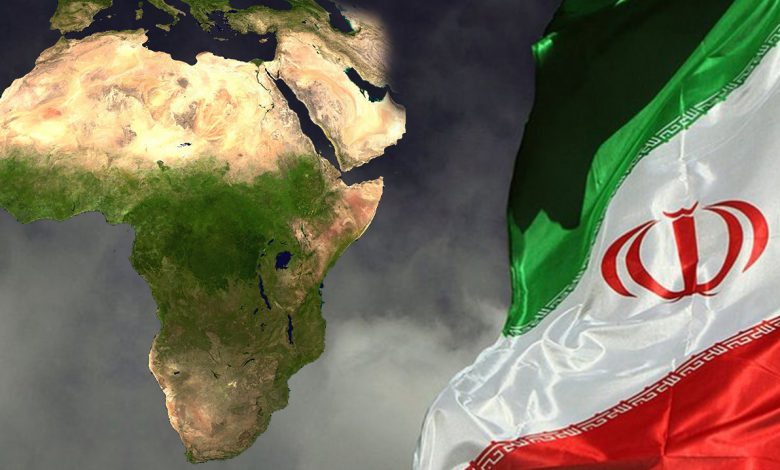
The repercussions of the devastating war between America and Iran were not limited to the Middle East and the militarily affected countries, but its economic effects extended to the African continent from the first day of the war, amid the turmoil in global energy markets and rising oil prices.
The repercussions also included concerns about disruption to shipping in vital maritime routes, such as the Strait of Hormuz and Bab al-Mandab, which would cause continuous increases in all prices globally.
News reports and economic analyses indicate that many African countries have already begun to feel the indirect effects of the conflict, whether through higher energy and fuel costs, increased inflation rates, or disruption to international trade.
Egypt and Tunisia under energy pressure
Egypt and Tunisia are among the most affected countries in the African continent in terms of energy and the consequences of its global rise, as the rise in global oil prices leads to an increase in energy and transportation costs, which in turn is reflected in the prices of basic commodities and foodstuffs.
Energy imports in both countries represent a large part of their needs, which puts them under additional economic pressure as a result of rising oil prices, which may increase the burden of government energy subsidies and raise the cost of living for citizens.
Potential gains for Algeria and Libya
Alongside the economic pressures, countries that benefit from the war in terms of oil stand out, including Algeria, Libya and Nigeria, as they are oil-exporting countries and achieve an increase in oil revenues during the crisis period.
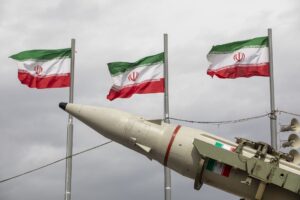
Analysts believe that higher oil prices may give these countries an opportunity to boost their foreign exchange reserves and finance government spending, but these gains may remain temporary and depend on continued price increases and stable production.
The impact of the war on East African countries
In East African countries such as Kenya, Ethiopia and Tanzania, the effects are manifesting differently as these countries rely on importing fuel from global markets. With rising global prices, fuel and transportation costs have begun to rise, leading to increased prices for goods and services in some local markets.
Some believe that the continuation of the crisis may put additional pressure on the economies of African countries, which are already suffering from financial challenges and high levels of public debt.
In West African countries known as the West Sahel countries, such as Mali, Niger, and Senegal, rising energy prices increase the costs of agriculture and transportation, which may be reflected in food prices and increase the risks of inflation and food insecurity, causing an increase in the cost of transporting agricultural goods and fertilizers, and a rise in food prices in local markets.
While some African countries have announced a number of measures, including a state of emergency in the energy sectors, reducing energy use, and imposing increases in energy prices and related services, analysts believe that the continuation of the war between Iran and America may lead to a global economic shock that will clearly affect African economies, especially energy-importing countries, while some oil-exporting countries may achieve temporary financial gains.