Africa faces a food storm; Iran's trade war fuels fertilizer prices.
severe food shortage
Written by Omnia Hassan
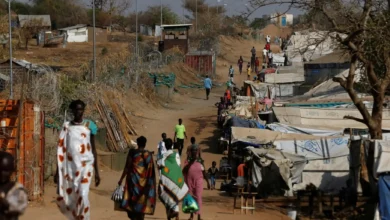
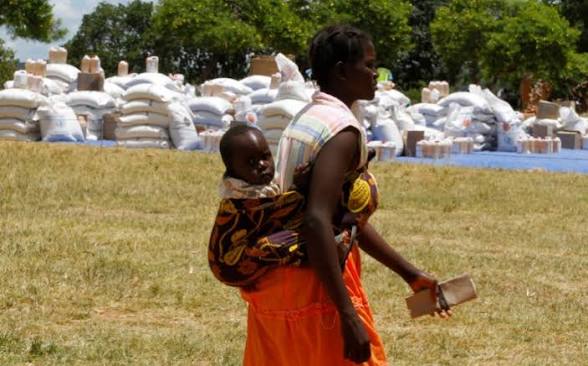
Attention is turning with increasing concern to the repercussions Iran War Which has begun to cast a heavy shadow on global food security, with warnings of a severe crisis that could hit the African continent in particular, as prices rise and supplies shrink in one of the world’s most fragile regions.
International warnings of food shortages
Yara International CEO Sven Tore Holsther issued stark warnings that the continuation Conflict This could lead to severe food shortages, accompanied by record-high prices, especially in poor African countries.
He explained that the world may witness something like a “global auction” for fertilizers, where countries compete for limited quantities, putting countries with less financial capacity in a very difficult position.
Holsther stressed that the real danger lies in fertilizers becoming a scarce commodity sold to the highest bidder, which will deprive weak countries of securing their basic agricultural needs and threaten their food production.
Supply chains under pressure
For their part, recent reports indicate that the effects of the war have already begun to permeate global supply chains, particularly in the food sector. This sector faces direct challenges due to restrictions on fuel and fertilizers, along with indirect effects related to market disruptions.
Several African countries, such as Ethiopia and Kenya, rely heavily on fertilizer imports from the Middle East, making them more vulnerable to supply fluctuations and price increases.
Sharp price increases
It is estimated that around 35% of the world’s urea supply comes from the Gulf States, and its prices have risen to between 60% and 70% since the outbreak of the war.
Ammonia supplies, a key ingredient in fertilizer production, were also affected by the shutdown of some production lines due to storage risks during times of conflict.
Critical timing exacerbates the crisis
These developments come at a very sensitive time, as sub-Saharan African countries prepare for the planting season, adding to the pressure on farmers who are already suffering from limited resources and degraded soil.
While Europe has rushed to support its farmers through financial packages and easing restrictions, African countries lack similar tools, deepening the gap and putting the continent's food security to an unprecedented test.