How has solar energy become Africa's weapon against food waste?
Solar-powered cooling reduces food waste and supports farmers in Africa.
Written by: Badr Ahmed
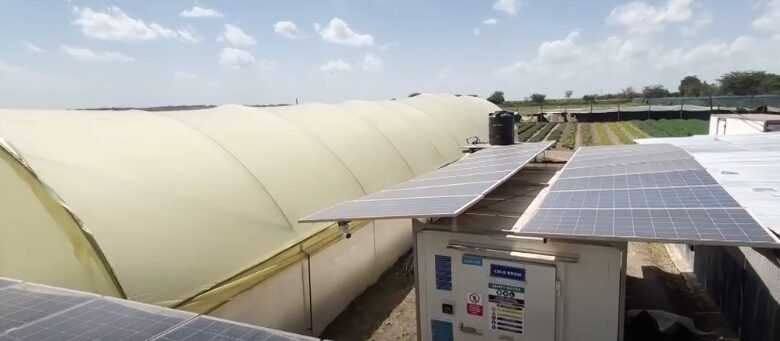
In her fields in Kenya, farmer Yvonne Anyonyi Mumia begins her day among rows of basil, rosemary, and other herbs destined for export to European markets. Although maintaining product quality after harvest used to be a major challenge, her reliance on solar-powered refrigerated storage has transformed her business and helped reduce losses from spoilage.
Mumia’s experience is a model for the growing shift in several African countries towards the use of solar-powered cooling systems, in an attempt to address one of the most prominent problems facing the agricultural sector in the continent, which is the loss of large quantities of food between harvest and the arrival of products to markets.
The UN Food and Agriculture Organization estimates that up to 401 TP3 tf of food produced in Africa is lost before reaching consumers due to inadequate storage, transport, and processing facilities. This situation results in significant economic losses for farmers, as well as negatively impacting food security.
Solar energy turns crop losses into investment opportunities in Africa
Solar-powered cooling systems, including rooms, warehouses, and cold storage facilities independent of traditional electricity grids, offer a practical solution for farmers and traders, especially in rural areas with limited or unreliable electricity services. Some companies also operate on a pay-as-you-go model, where storage fees are calculated based on the quantity of produce stored, allowing small farmers to benefit from these services without significant investment.
Mumia says the biggest challenge was maintaining the quality of the crops after harvest, noting that refrigerated storage gave her greater flexibility in marketing her products. Instead of having to sell the crop quickly for fear of spoilage, she could now keep it for a longer period until it was time to transport it or sell it at better prices.
The reliance on these technologies is increasing in countries such as Kenya, Nigeria, Rwanda, Ethiopia and South Africa, at a time when food supply chains are under increasing pressure due to climate change, rising temperatures and disruptions to transport and distribution.
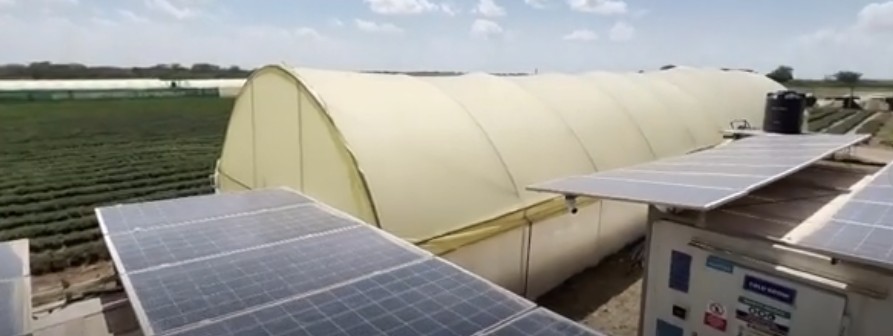
Agricultural development experts believe that cold storage is a crucial link that has long been missing from agricultural value chains in Africa. The longer farmers can extend the shelf life of their produce, the greater their access to better markets, the better their financial returns, and the less waste they will experience.
Specialized companies in this field confirm that the results of these technologies are now tangible. Modern cooling systems have significantly reduced spoilage rates in agricultural products and helped farmers achieve higher returns from selling their crops.
Despite the economic and environmental advantages of these solutions, financing remains one of the biggest challenges to their widespread adoption. Initial setup costs are relatively high, while some investors are hesitant to finance emerging agricultural projects due to the risks associated with small and fragmented markets.
However, industry experts believe that the future of African agriculture increasingly depends on the use of solar energy across various stages of production, storage, and processing. In addition to cooling, solar-powered irrigation systems and agricultural equipment contribute to increased productivity and create new economic opportunities for rural communities, supporting efforts to achieve food security and sustainable development on the continent.