From Bravery to Wisdom: The Strangest Coming-of-Age Celebrations Among African Tribes
Reflects cultural heritage and social values
Written by Omnia Hassan
Coming of age in many African societies represents a pivotal point in an individual's life. It is not merely about advancing in age, but is associated with rituals and celebrations that announce the young man or woman's transition to a new stage of responsibility and belonging to the community.
These rituals vary from one tribe to another, but they share the commonality of reflecting the cultural heritage and social values that have been passed down through generations over centuries.
Courage tests in Ethiopia
Among the most famous coming-of-age rituals is that practiced by the Hamar tribe in Ethiopia, where young men undergo a test known as the ”bull jumping.” The young man jumps over a row of bulls several times in a row to prove his courage and ability to bear the responsibilities of life. His success in this test is considered an official declaration of his entry into adulthood.
Dancing and singing in Kenya and Tanzania
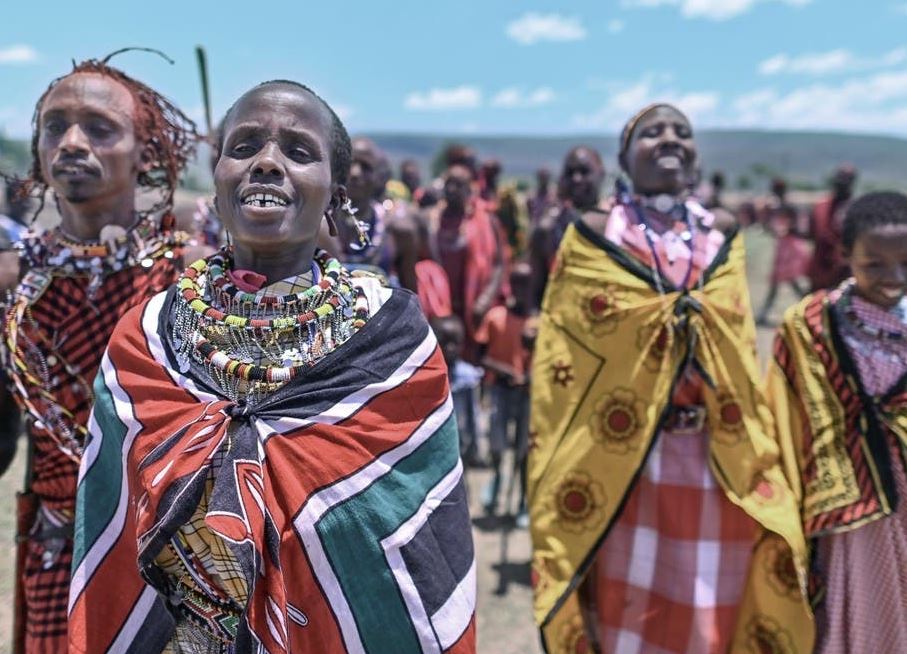
In some Maasai communities in Kenya and Tanzania, communal celebrations are held that include traditional dances, folk songs, and the wearing of colorful beaded attire. These celebrations aim to foster a sense of belonging and highlight the position of young people within the community.
Isolation and learning before celebrating
In some African tribes, young people spend a period of seclusion before being declared adults. During this time, they receive lessons on tribal history, values, and their future roles within the family and community. This phase concludes with a formal celebration involving families and elders.
Traditional decoration is a symbol of a new phase.
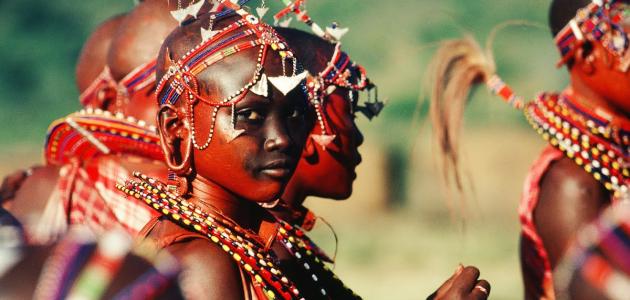
Many tribes are keen to decorate young people with natural body paint, henna, beads, and traditional accessories during coming-of-age celebrations, signifying their transition to a new stage of life. The colors and decorations also vary from tribe to tribe and carry meanings associated with identity and belonging.
Rituals evolving with time
Some coming-of-age rituals have undergone changes in recent decades. Many societies have abandoned practices that could pose health risks, replacing them with cultural celebrations, dances, and traditional performances that maintain symbolism without harming individuals, in line with national laws and human rights protection efforts.
Heritage reflecting the continent's identity
Despite the differences in customs between tribes, coming-of-age celebrations remain among the most prominent cultural legacies in Africa, as they represent an announcement of taking responsibility and belonging to the community.
As heritage preservation efforts continue, these rituals are adapting to the times, while retaining their historical and social values that reflect the rich cultural diversity of the African continent.