Africa's largest oil refinery faces disruption
Declining gasoline production and fuel exports raise concerns
Written by Omnia Hassan
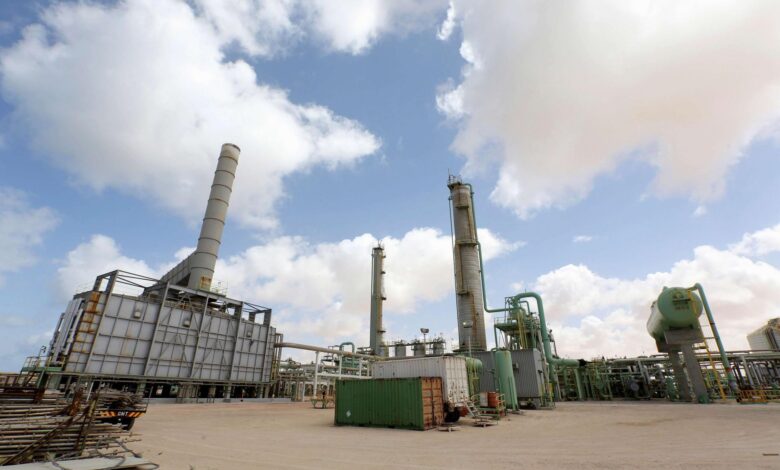
African energy markets have witnessed a notable development following the announcement of declining operating rates at the main gasoline production unit of Nigeria's Dangote refinery, the country's largest. oil In Africa, this has raised concerns about fuel supplies and export volumes at a time when global markets are under increasing pressure due to geopolitical tensions.
Production decreased by 34%
The Dangote refinery, which has a production capacity of 700,000 barrels per day, has reduced operating rates at its reverse flow catalytic cracking unit by 34% since May 21.
This unit is a key component in the refining process, as it converts heavy oil waste into high-value products including gasoline, diesel, and liquefied petroleum gas.
According to IIR Energy, a company specializing in monitoring the energy sector, the decline was due to operational problems related to the combustion gases gate valve, along with a shortage of suitable raw materials for the unit during the processing of light crude oil.
Sharp drop in gasoline exports
This disruption was directly reflected in gasoline exports from the refinery, which fell from about 81,000 barrels per day last April to 17,000 barrels per day in May, before dropping to an average of only 10,000 barrels per day this June, according to data from Kpler, a company specializing in analyzing commodity and energy markets.
IIR Energy expects the unit to return to full operational capacity by mid-June, following the completion of ongoing repair work.
A refinery that changed the fuel trade map in Africa
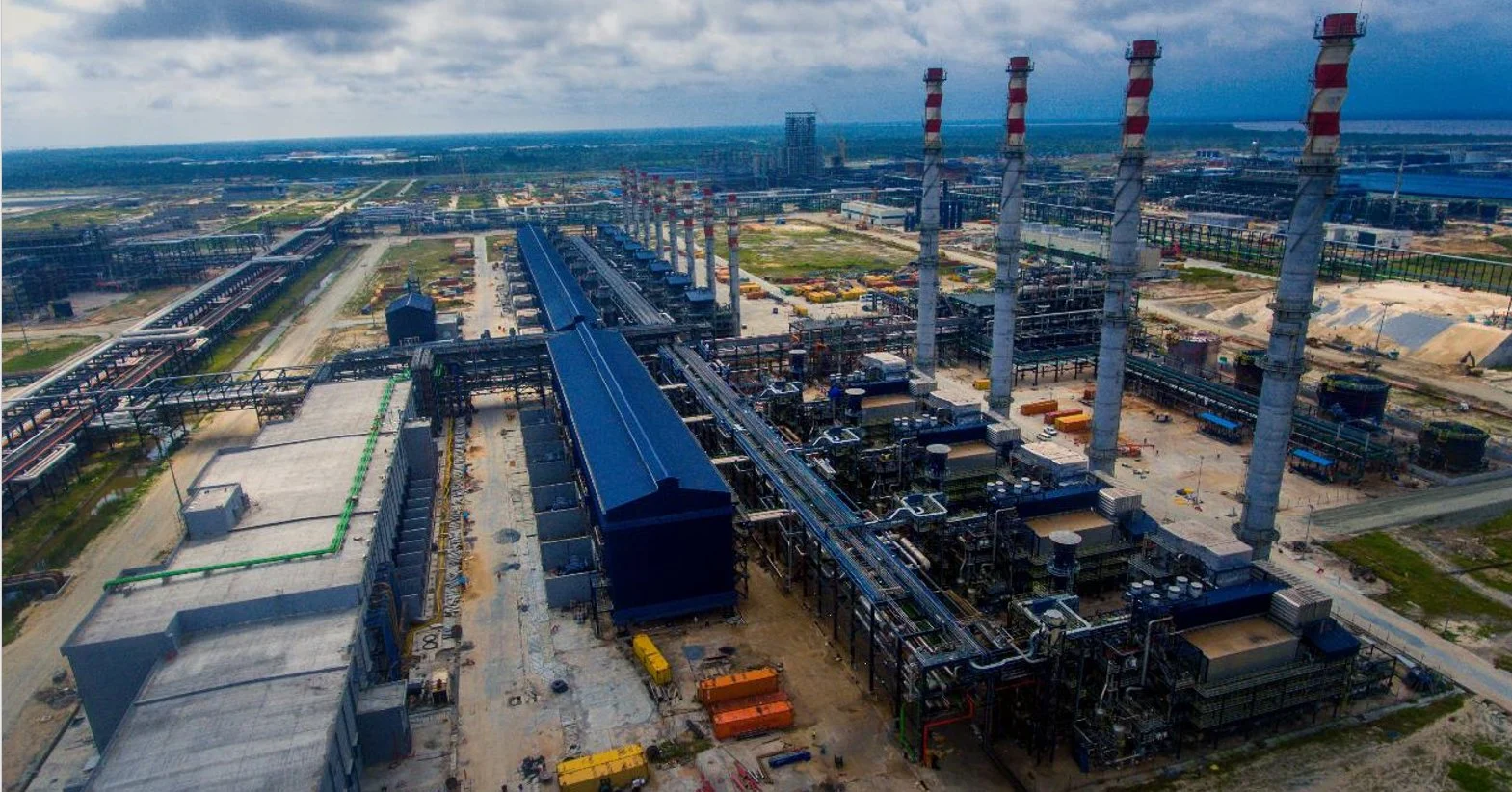
The Dangote refinery represents a strategic project for Nigeria and the African continent, as it is the largest single-line refinery in the world. It was established with huge investments with the aim of ending Nigeria’s historical dependence on gasoline imports despite having the largest oil reserves and production in Africa.
Since becoming fully operational, the refinery has successfully boosted fuel supplies to Nigeria and West African countries, and has helped to reshape trade routes for petroleum products that were heavily dependent on European imports.
Repercussions extend beyond Nigeria's borders
This decline comes at a time when global oil prices are rising significantly due to escalating tensions in the Middle East, increasing the sensitivity of fuel markets to any disruption in refining operations.
Although the crisis appears to be temporary, it has once again highlighted the growing importance of the Dangote refinery in supporting African energy security, as any operational disruptions within this giant complex now have repercussions that extend to fuel markets and oil trade across the continent.