Education in Africa is one of the most important issues that attracts the attention of governments and international organizations. Education is the engine of Africa for growth, sustainable and inclusive development and the building of modern societies.
Education is not limited to the transfer of knowledge only, but also contributes to combating poverty, reducing unemployment rates, improving health levels, and promoting political and social stability. Therefore, developing education in Africa has become a strategic goal sought by the countries of the continent in light of the economic and social challenges they face, and to reduce the illegal migration of a large number of their people.
Africa has witnessed remarkable progress in education in recent decades, with many countries moving towards implementing free and compulsory basic education, with the aim of increasing school enrollment rates and reducing illiteracy.
Governments have also expanded the establishment of schools, teacher training, and the development of educational curricula to keep pace with the demands of the times, and this has helped to increase the number of students enrolled in primary education in many African countries.
Interest in education was not limited to governments alone, but international organizations played an important role in supporting the educational process within the continent, such as UNESCO, UNICEF and the World Bank, as these institutions provided programs and projects aimed at building schools, providing educational tools, supporting girls’ education and combating school dropout, especially in poor and rural areas.
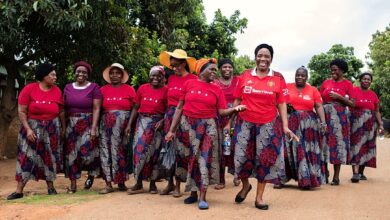
African countries have also focused on women’s education as a key element of development, since educating girls contributes to improving the level of the family and society, and leads to a decrease in poverty and ignorance rates.
Therefore, many initiatives have emerged calling for equal educational opportunities for males and females, and confronting the customs and traditions that hinder girls’ education in some areas.
With technological development, some African countries have begun to use modern technology in education, especially after the Corona pandemic, as reliance on e-learning and digital platforms has expanded.
This helped provide greater educational opportunities for students in remote areas, despite the continued problem of weak infrastructure and internet access in some countries.
Despite these efforts, Africa still faces many challenges in the education sector, most notably poverty, lack of funding, wars and armed conflicts, high illiteracy rates, in addition to a shortage of qualified teachers and weak educational capabilities.
Political crises, displacement and migration also deprive large numbers of children of their right to education.
In conclusion, it can be said that paying attention to education in Africa represents a fundamental step towards achieving sustainable development and building a better future for the peoples of the continent. The better the level of education, the greater the ability of societies to confront economic and social problems and achieve progress and prosperity. Therefore, education will remain one of the most important keys to real development in Africa.