Increased pressure on health centers in Congo as Ebola outbreak continues
Overcrowding crisis in Congo's health centers
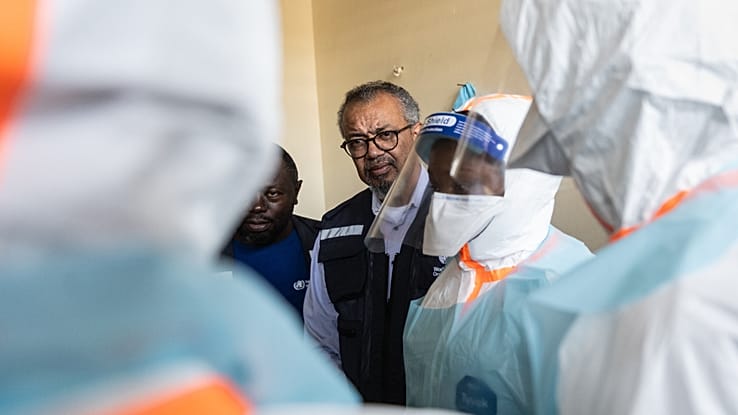
Health facilities in eastern Democratic Republic of Congo are facing increasing pressure as the Ebola outbreak continues, with clinics and medical centers in the epicenter receiving increasing numbers of patients beyond their capacity.
In Bunia, Ituri province, a major health response center, doctors and health workers are struggling to cope with the continuous influx of infected and suspected cases, amid a shortage of medical resources and a high rate of disease spread within local communities.
Rapid community spread raises concerns
Health authorities warn that the rapid increase in the number of cases reflects widespread community transmission of the virus, particularly in eastern regions already suffering from weak health infrastructure and armed conflicts.
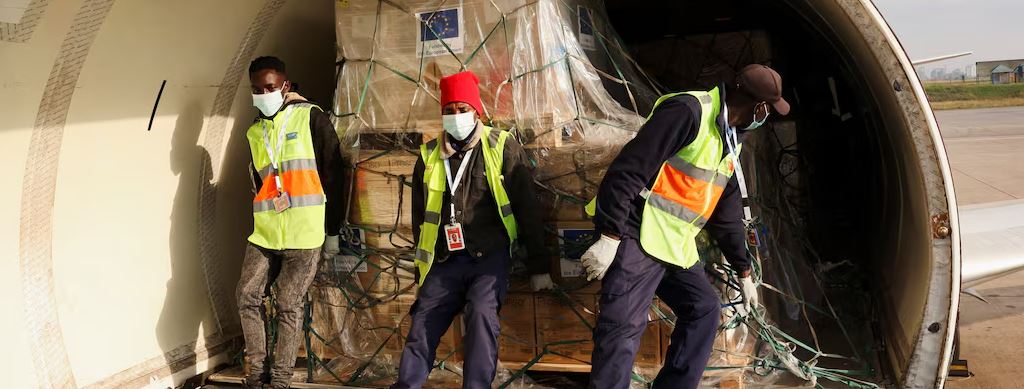
According to the data released, the number of confirmed cases has risen significantly in recent days, while dozens of deaths related to the disease have been recorded, prompting the World Health Organization and its partners to intensify response and containment efforts.
Lack of resources compounds the challenges
The health system in the Democratic Republic of Congo is under immense strain due to a limited number of specialized treatment centers and shortages of medical personnel and equipment. Some hospitals have been forced to divert a significant portion of their resources to combat Ebola, impacting the provision of other health services to the population.
Response teams also face additional difficulties due to insecurity in some affected areas, as well as the distrust that still prevails in some local communities towards health measures related to combating the pandemic.
The World Health Organization is intensifying its efforts.
In response to the crisis, the World Health Organization launched a six-month, $518 million emergency response plan to support containment efforts in the Democratic Republic of Congo and Uganda and strengthen health surveillance and preparedness systems in neighboring countries.
The organization also opened a new Ebola treatment center in the city of Bunia to boost the capacity of health facilities, at a time when health officials announced the recovery of a number of patients, giving hope that the outbreak can be controlled despite the major challenges.
A rare strain and the absence of an approved vaccine
The current crisis is exacerbated by the spread of the rare “Bundibugyo” strain of the Ebola virus, a strain for which there is still no fully approved vaccine or treatment, making the primary reliance on supportive care, early detection, and isolation of infected cases.
Health experts fear that infection rates will continue to rise if medical capabilities are not strengthened and cooperation with local communities is not improved, especially as new cases continue to be recorded in several areas in the east of the country.