South Africa celebrates Kwaito music pioneer Oskedo
Official tribute to Oskedo after decades of influence on African music
Written by: Badr Ahmed
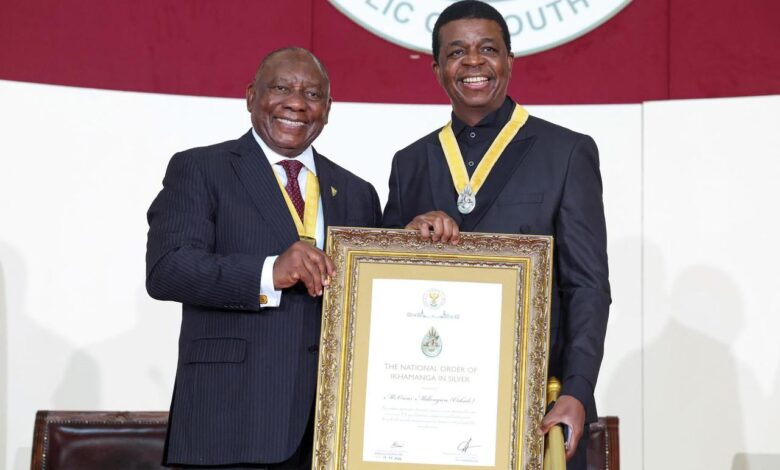
South African President Cyril Ramaphosa awarded the Silver Ikhamanga Medal to South African artist and music producer Oscar Oskedu during the National Decorations ceremony held today, in recognition of his artistic career and his significant contributions to supporting and developing the music industry in the country.
The Ikhamanga Order is one of the most prestigious national honors in South Africa, awarded to citizens who have made exceptional achievements in the fields of arts, culture, literature, music, journalism and sports, and who have contributed to strengthening and highlighting the country’s cultural identity at the local and international levels.
South Africa celebrates Kwaito music pioneer Oskedo at national honors ceremony
Oskedo was honored in recognition of his outstanding role in creating new opportunities for young musicians, his continuous support for emerging talents, and his great success as a music arranger, producer, and pioneer of Kwaeto music, which is one of the most prominent musical styles that emerged in South Africa during the 1990s.
Oskedo is regarded as one of the most influential figures in the African music industry, having contributed over decades to the discovery and development of a large number of young artists, and having played a pivotal role in moving Kwaeto music from a local context to regional and international dissemination.
Throughout his artistic career, the South African artist has succeeded in building a prominent name within the African continent, not only through his musical works, but also through his investments and artistic projects that aimed to support the entertainment industry and create economic opportunities for new talents.
This honor comes as part of the South African state’s keenness to celebrate the personalities who have contributed to shaping the country’s cultural and artistic landscape, and have left an influential mark on society, especially in the areas of youth empowerment and the promotion of creative industries.
The national awards ceremony in South Africa is of great importance, as it represents an official occasion to honor individuals who have made outstanding contributions to the service of society and the state, whether in the cultural, scientific or humanitarian fields, reflecting the country’s appreciation for the role of creativity and the arts in development and building national identity.