The United States is sending experimental Ebola treatment to the Democratic Republic of Congo and Uganda as the outbreak worsens.
Washington supports efforts to combat Ebola in Africa
Written by: Mohamed Ragab
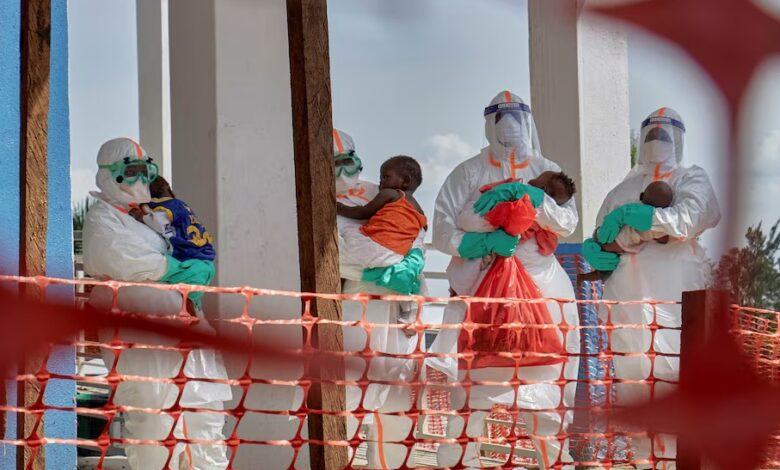
The United States announced it is sending shipments of experimental Ebola treatment to the Democratic Republic of Congo and Uganda, amid rising infections and continued outbreaks in several regions, prompting international health authorities to strengthen response measures.
This support comes at a time when the Democratic Republic of Congo is experiencing a new wave of infections, while neighboring countries continue to strengthen monitoring and prevention measures to prevent cross-border transmission of the virus.
Experimental treatment to combat the virus
The US shipments include experimental treatments intended to combat the Ebola virus, with the aim of supporting medical teams and improving treatment opportunities for those infected in affected areas.
The health authorities in both countries are working with international partners to assess the effectiveness of these treatments and their use in accordance with approved medical protocols, especially in cases that require rapid intervention to reduce deaths.
The increasing number of infections is worrying.
The Democratic Republic of Congo is experiencing a rise in the number of Ebola-related infections and deaths, prompting authorities to intensify epidemiological surveillance, contact tracing, and strengthen the capabilities of health facilities.
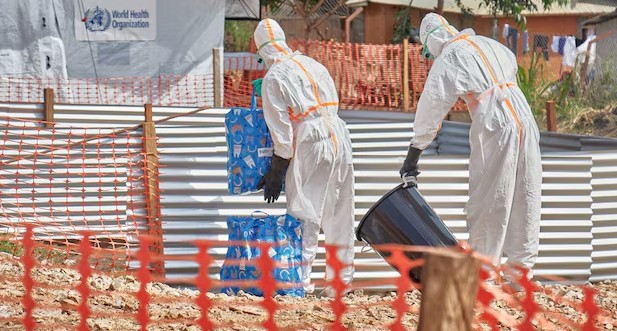
Uganda has also raised its health preparedness level, especially in border areas, in anticipation of the possibility of the virus spreading through population movement and trade between the two countries.
International support for the health response
US officials confirmed that sending the treatments comes within the framework of international cooperation to combat epidemics and enhance the capabilities of African countries to respond to health emergencies.
International organizations, including the World Health Organization and the Africa Centres for Disease Control and Prevention, continue to provide technical and logistical support to affected countries in order to contain the spread of the disease and reduce its humanitarian impact.
Ongoing field challenges
Health workers face numerous challenges, including difficulty accessing some affected areas, shortages of medical resources, and societal concerns related to the disease.
Health experts believe that a rapid response, the provision of treatments and vaccines, and enhanced awareness campaigns are essential factors in controlling the outbreak and preventing its spread to other regions and countries.