South Sudan submits a formal request to have the Boma Migration Site included on UNESCO's World Heritage List
Ahmed Salem
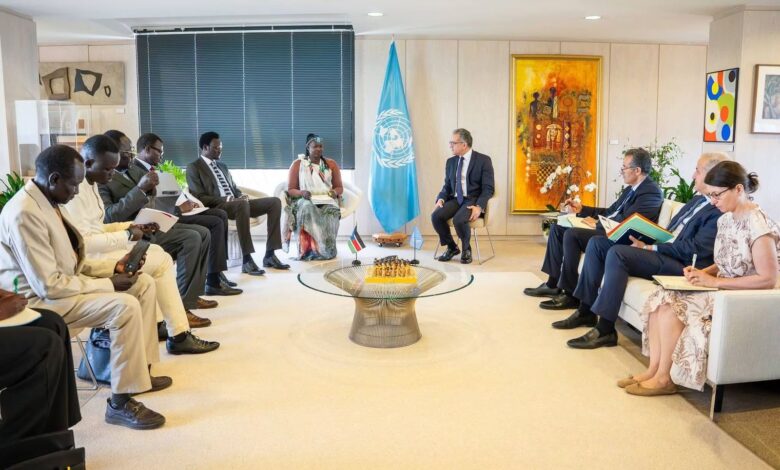
A delegation from South Sudan officially submitted the first emergency nomination file for the Boma-Badengello Migration Site to the World Heritage List at UNESCO headquarters in Paris, France, marking a historic achievement in the country's efforts to protect its exceptional natural and cultural heritage.
The nomination file was submitted by Sara Nyanath, Minister of Culture, Museums and National Heritage, and Dinay Juk Chagur, Minister of Wildlife Conservation and Tourism, to Khaled El-Enany, Director-General of UNESCO, at the organization’s headquarters in Paris.
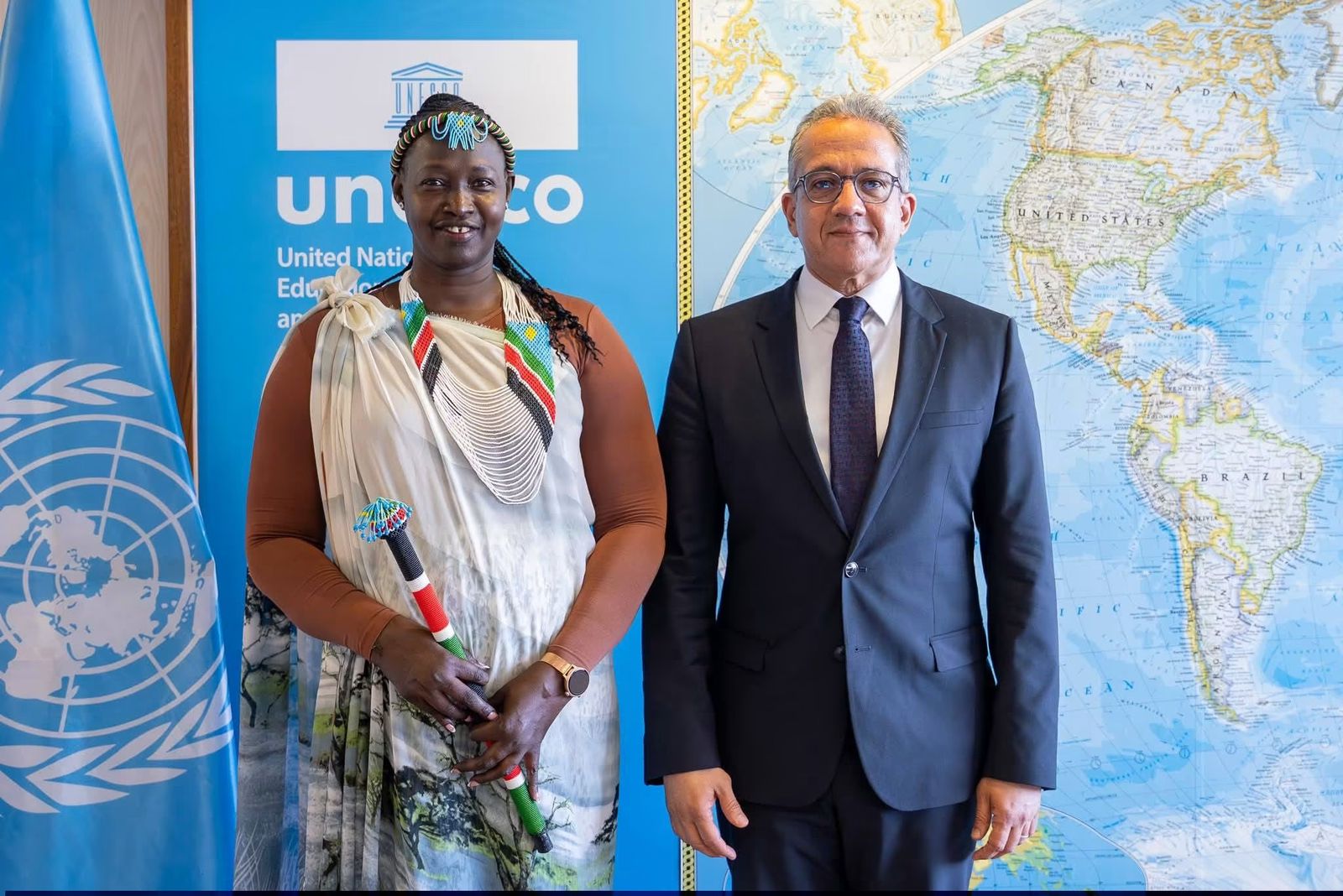
This represents an important step in South Sudan’s efforts to protect its exceptional cultural and natural heritage, and highlights the role of heritage in supporting national recovery through the mobilization and active engagement of local communities.
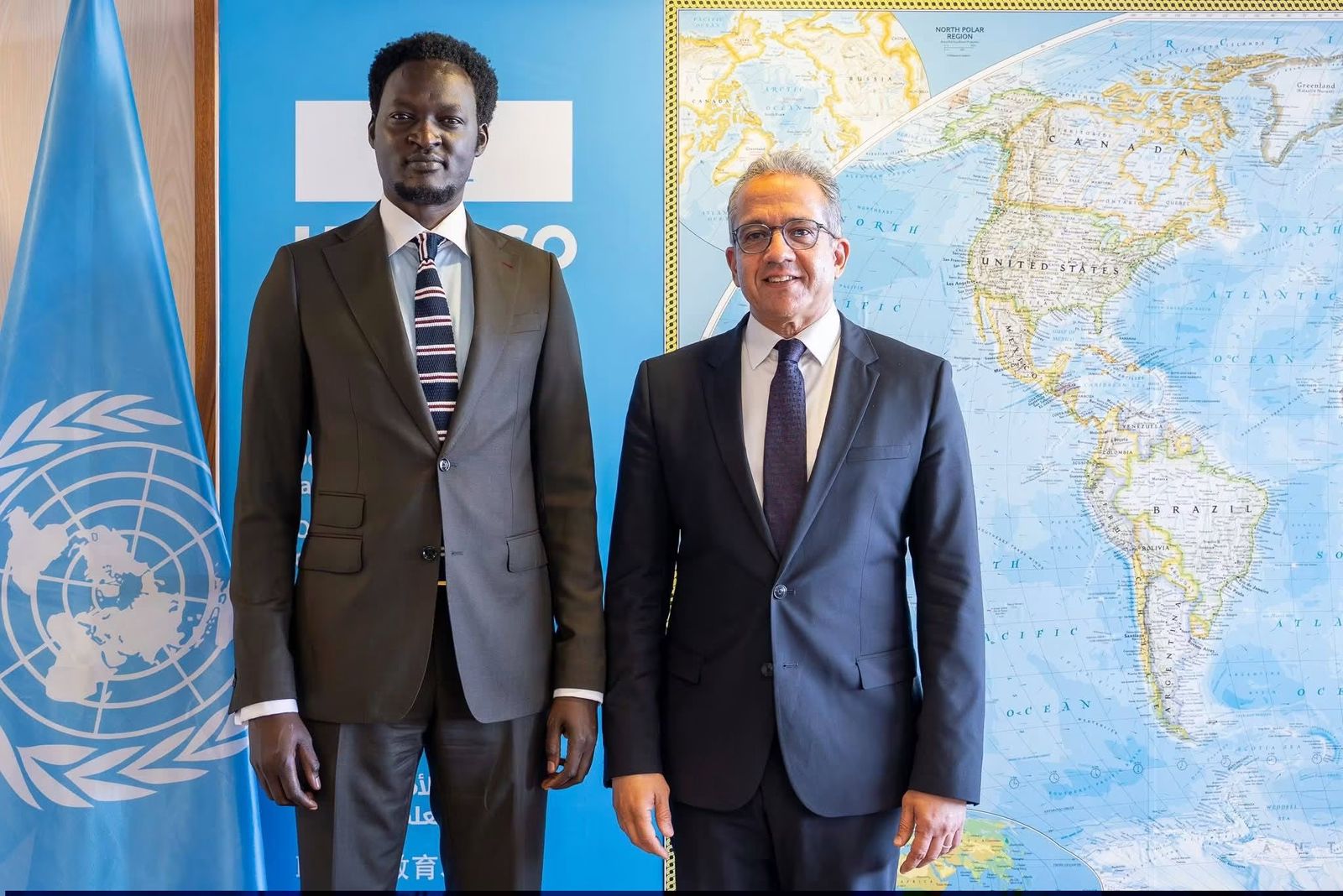
In his remarks on this occasion, UNESCO Director-General Khaled El-Enany reaffirmed the organization’s unwavering commitment to South Sudan, noting that UNESCO will continue to stand by the country, support its communities, protect its heritage, and promote sustainable development.
South Sudan strengthens its international partnerships to address economic challenges
South Sudan’s Minister of Finance and Planning, Chol Daniel Ayol, discussed with the UK Ambassador to Juba, David Ashley, and the Norwegian Ambassador, Roar Hogsdal, ways to enhance economic cooperation between South Sudan and its international partners, with a focus on developing public financial management and promoting transparency in the management of government resources.
This meeting comes as part of the South Sudanese government’s efforts to promote economic stability and expand development partnerships with donor countries, in light of increasing economic challenges facing the country, including inflation rates, a liquidity crisis, and public budget pressures.
During the meeting, the Minister of Finance affirmed the government’s commitment to continuing to implement comprehensive reforms in public financial management, with the aim of strengthening the principles of transparency and accountability, which will contribute to raising the level of trust between the government and its international partners, and open the way for more support and investments in vital sectors.
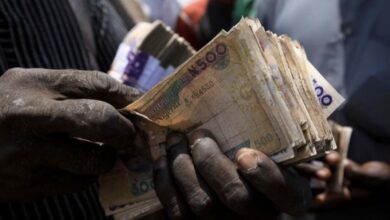
The minister explained that the government's current priorities include achieving macroeconomic stability, working to curb inflation, addressing the liquidity shortage crisis in the local market, in addition to bridging the deficit in the general budget, and diversifying national income sources away from near-total dependence on the oil sector.
He also noted that the government’s plans include improving the efficiency of public spending, directing resources towards basic development priorities, foremost among them paying the salaries of civil servants, and funding government programs related to basic services and infrastructure.