Minimum wage debate in Nigeria: Demands for a 'decent living wage' as inflation worsens
Boubacar Sani – Our correspondent from Nigeria
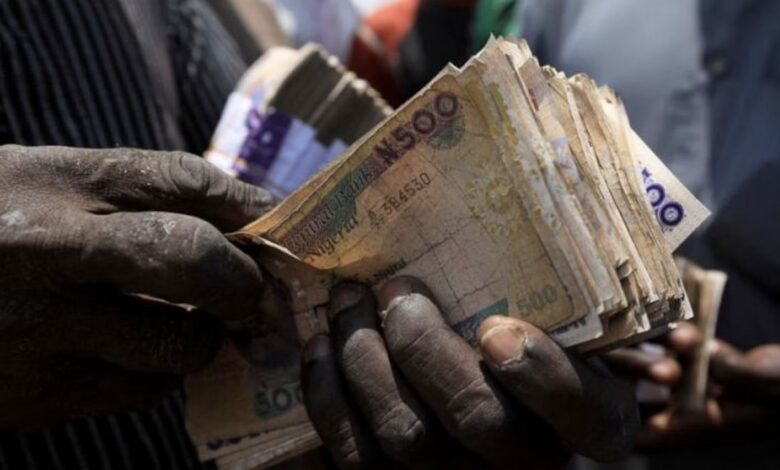
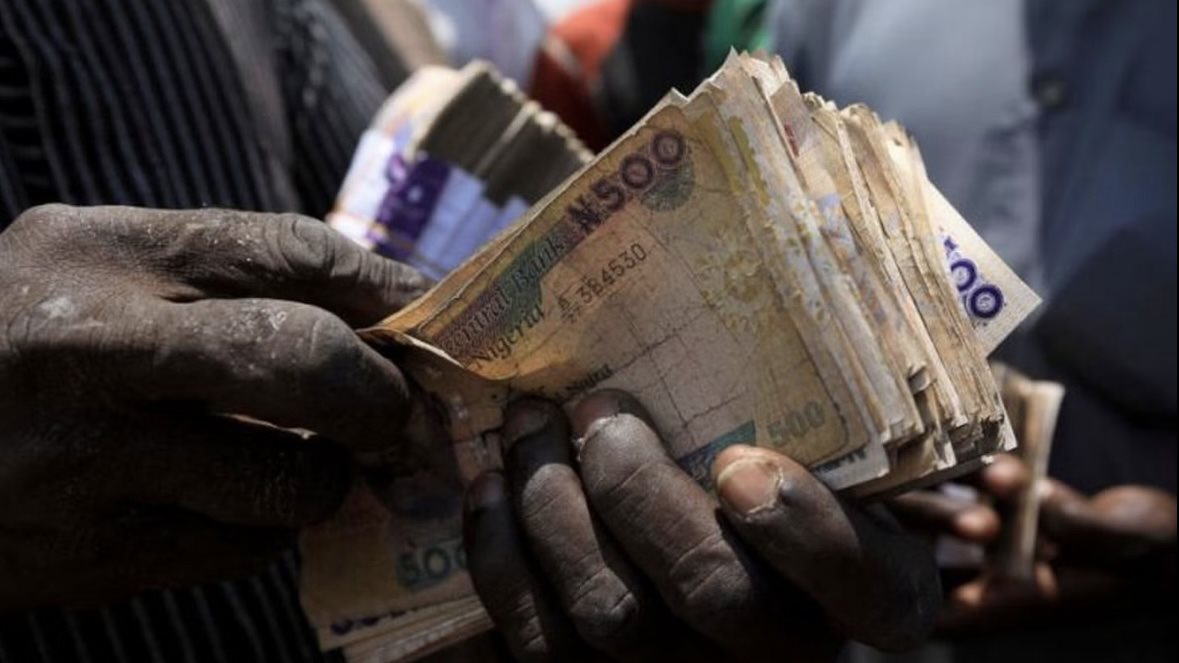
Nigerian labor unions have announced plans to reopen negotiations with the federal government over the minimum wage, asserting that the current wage structure of 70,000 naira is no longer sufficient to support Nigerian workers in light of soaring inflation and rising living costs.
The Nigerian Labour Congress (NLC) and the Trades Union Congress (TUC) unveiled this move during the 114th International Labour Conference in Geneva, where they jointly called for the implementation of a “decent living wage” that reflects the current economic reality in the country.
The unions also pledged to resist any attempt to impose taxes on the minimum wage or to impose additional financial burdens on those with limited incomes.
In a joint statement, the unions explained that workers are facing unprecedented pressure as a result of inflation, currency devaluation, and rising costs of food, transportation, housing, and healthcare, warning of a sharp erosion of real incomes.
The labor leaders announced that “the current law will expire at the beginning of next year, and we have announced that renegotiation will begin by July 2026, to avoid the painful delays we have experienced in the past. Once we leave, we will write to the government again demanding that the renegotiation process for the national minimum wage begin.”.
Current minimum wage in Nigeria
It is worth noting that the current minimum wage in Nigeria, which is 70,000 naira, was approved in July 2024, following negotiations between labor unions and the federal government.
While the agreement initially stipulated a review of wages every three years, the government later worked to amend the framework, reducing the review cycle to two years, effectively bringing forward the next negotiation date to 2026.
Labor leaders stressed that upcoming talks should not be limited to nominal wage increases, but should focus on ensuring that workers receive adequate wages to cope with the deteriorating economic conditions in the country.
The unions declared: “We demand nothing less than a decent living wage that reflects today’s harsh economic reality.”.
We also demand immediate relief measures from governments at all levels until a new minimum wage law is passed, declaring our categorical rejection of any attempt to impose taxes on the minimum wage or to place additional burdens on the poor.”.
The labor movement warned that delaying the start of negotiations could lead to an escalation of labor tensions, stressing that workers are already suffering from the impact of rising prices and declining purchasing power.
Low wages pose a threat to workers' welfare.
In addition to concerns about wages, the unions painted a bleak picture of the country’s overall social and economic conditions, pointing to insecurity, unemployment and widespread poverty as major threats to workers’ well-being.
According to labor leaders, ongoing attacks, kidnappings, and sectarian violence in many parts of the country have disrupted livelihoods and made commuting more dangerous for workers.
The unions claimed that nearly 2,000 people were killed across the country during the first quarter of the year, while millions were displaced by insecurity, impacting economic activity and productivity.
The unions also expressed concern about the rising poverty rate, estimating that around 150 million Nigerians – approximately 65% of the population – are living in multidimensional poverty as a result of inflation, job losses and declining household income.
While labor unions acknowledged the ongoing economic reforms, they stressed that ordinary Nigerians have yet to see the benefits.
With the increasing momentum of political activity ahead of the 2027 general elections, the Nigerian Workers' Union and the Federation of Trade Unions have unveiled plans to develop a charter of demands to guide their dealings with political parties and candidates.
The unions said that only leaders who demonstrate a commitment to improving security, providing better public services, fair wage policies, and protecting workers' rights will gain the workers' support.
The unions also expressed concern about alleged interference by some state governments in labor affairs, warning that they would strongly resist any attempt to undermine the independence of labor unions.
With the 2026 deadline for a wage review fast approaching, the organized labor movement insists that the next round of negotiations will be crucial in determining whether Nigerian workers will receive a wage commensurate with the current economic reality or continue to face mounting financial hardship.