Trial begins for former Central African Republic president on charges of war crimes and crimes against humanity
The trial of Bozizé opens a new chapter in the course of justice.
Written by: Mohamed Ragab
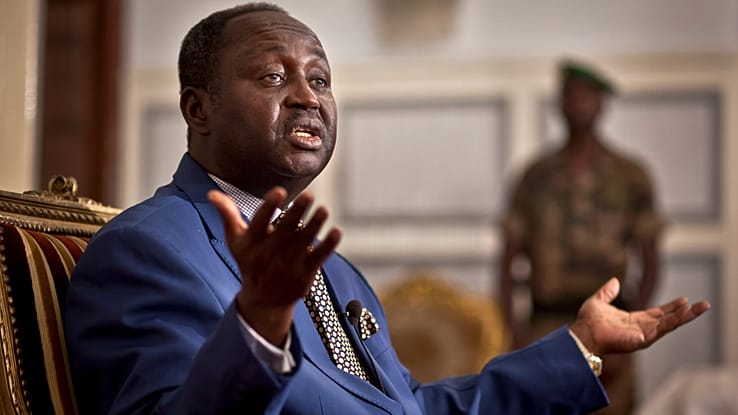
The UN-backed Special Criminal Court in the capital Bangui has begun the trial of former Central African Republic President Francois Bozizé on charges of war crimes and crimes against humanity committed during his rule between 2009 and 2013.
The case is one of the most prominent trials the country has witnessed since the establishment of the Special Court tasked with considering serious crimes related to armed conflicts.
The trial is being held in absentia, as Bozizi is living abroad, after the court issued an international arrest warrant against him in 2024.
The former president faces charges related to responsibility for serious abuses allegedly committed by members of the presidential guard and his security services at a civilian prison and a military training center in the Bossemble area.
Charges include murder, torture, and enforced disappearance.
According to the prosecution, the charges against Bozizé include murder, torture, rape, enforced disappearances, and other inhumane acts attributed to security forces operating under his command during his presidency. The prosecution asserts that the former president bears responsibility as both military commander and head of the executive branch at the time.
Also appearing alongside him are a number of former military officials accused of participating in the same violations, as part of the Special Court’s efforts to hold accountable those responsible for crimes committed during the years of unrest in the country.
A new test for justice in Central Africa
Observers believe that the trial represents an important test of the ability of judicial institutions in the Central African Republic to combat impunity, especially since Bozizé is the highest-ranking political and military official to appear before the Special Court since its establishment in 2015.
Human rights organizations welcomed the start of the trial as a step towards achieving justice for the victims, but at the same time expressed concerns about the absence of the main defendant from the courtroom, considering that his personal presence would be more effective in ensuring a fully constituted trial.
A long history of conflicts and coups
These developments come in a country that has suffered for decades from coups, armed conflicts, and political instability. Bozizé came to power in a 2003 coup before being overthrown in 2013 as armed groups intensified their insurgency, plunging the country into a spiral of violence and conflict that left thousands dead and caused widespread displacement.
Analysts believe that the trial could represent an important milestone in the path of transitional justice and national reconciliation, especially in light of the continued efforts of the state and international partners to strengthen the rule of law and hold accountable those responsible for the serious violations that the country has witnessed in recent years.