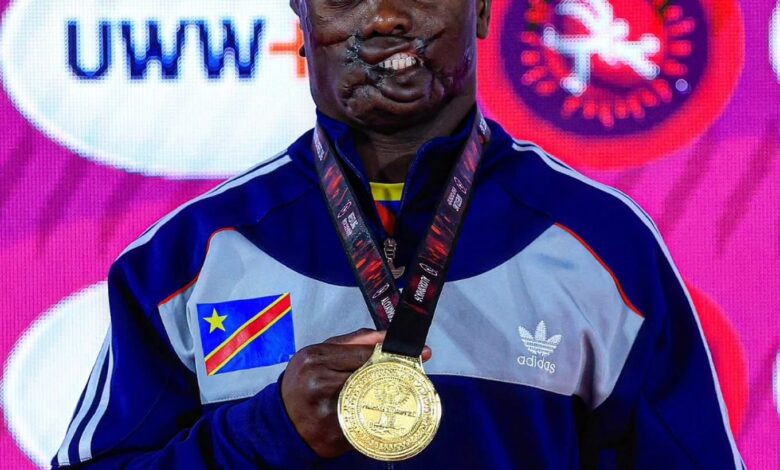
Written by: Mohamed Abdellah
At the age of six, the Congolese child was exposed Dunya Sibomana A horrific attack by a chimpanzee left him with serious injuries and permanent disfigurement to his face and body, and he also lost part of his right ear and a finger from his hand. This attack killed his brother and cousin, while he miraculously survived and changed the course of his life.
This wrestler's story is a lesson in inspiration, suffering, and defiance.
Eight-year-old Dunia Sibomana was playing near a river with his younger brother in Congo when they were attacked by a group of chimpanzees, resulting in his lips being torn off and his brother being killed.
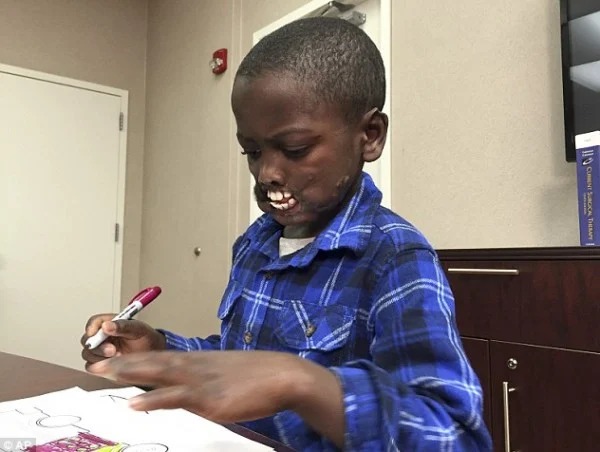
Dunia Sibomana: From childhood tragedy to African hero
The child was given the opportunity to move from his hometown in Congo to New York City to undergo a rare facial reconstruction surgery, the fourth of its kind, after a charity covered the costs of the treatment to save his smile.
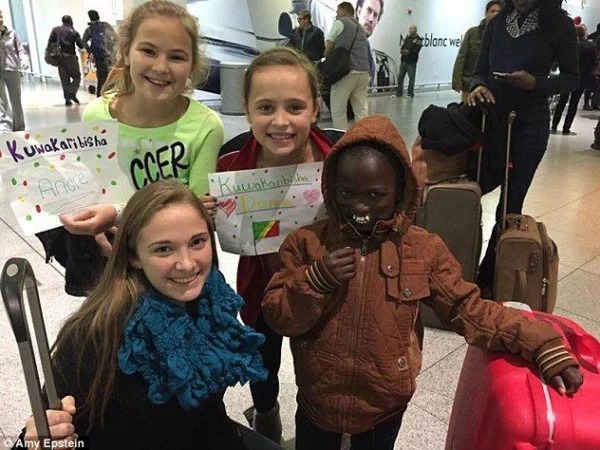
The tragedy of Doña Sibomana was not the end, but the beginning. After moving to America, he underwent a series of complex surgeries to reconstruct his face and regain his ability to live normally, which he succeeded in doing. There, he moved to learn wrestling.
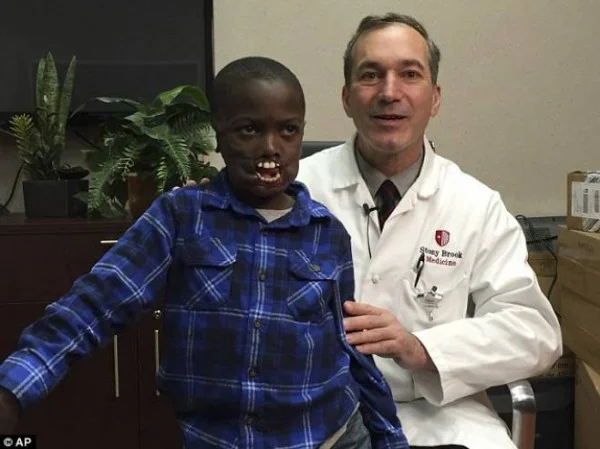
From a child who faced death... to a hero who faced the world
With an unbreakable will, he succeeded in writing his name in the record of champions, achieving two gold medals in the African Wrestling Championship in Alexandria, in one of the most inspiring human stories in African sports.
The young Congolese wrestler, Dunia Sibomana, was undoubtedly the surprise of the African Wrestling Championships. He stole the show with his double victory in the youth and senior categories, as the 19-year-old stood out after clearly dominating the most prominent wrestlers of the African continent, including stars from the Algerian and Egyptian national teams.
Dunia Sibomana is a living example that pain can create the greatest heroes.
Dunia Sibomana trained in the United States of America under the supervision of the world-renowned Egyptian coach Mustafa Hassan, who contributed greatly to developing his level and refining it to reach this high level.
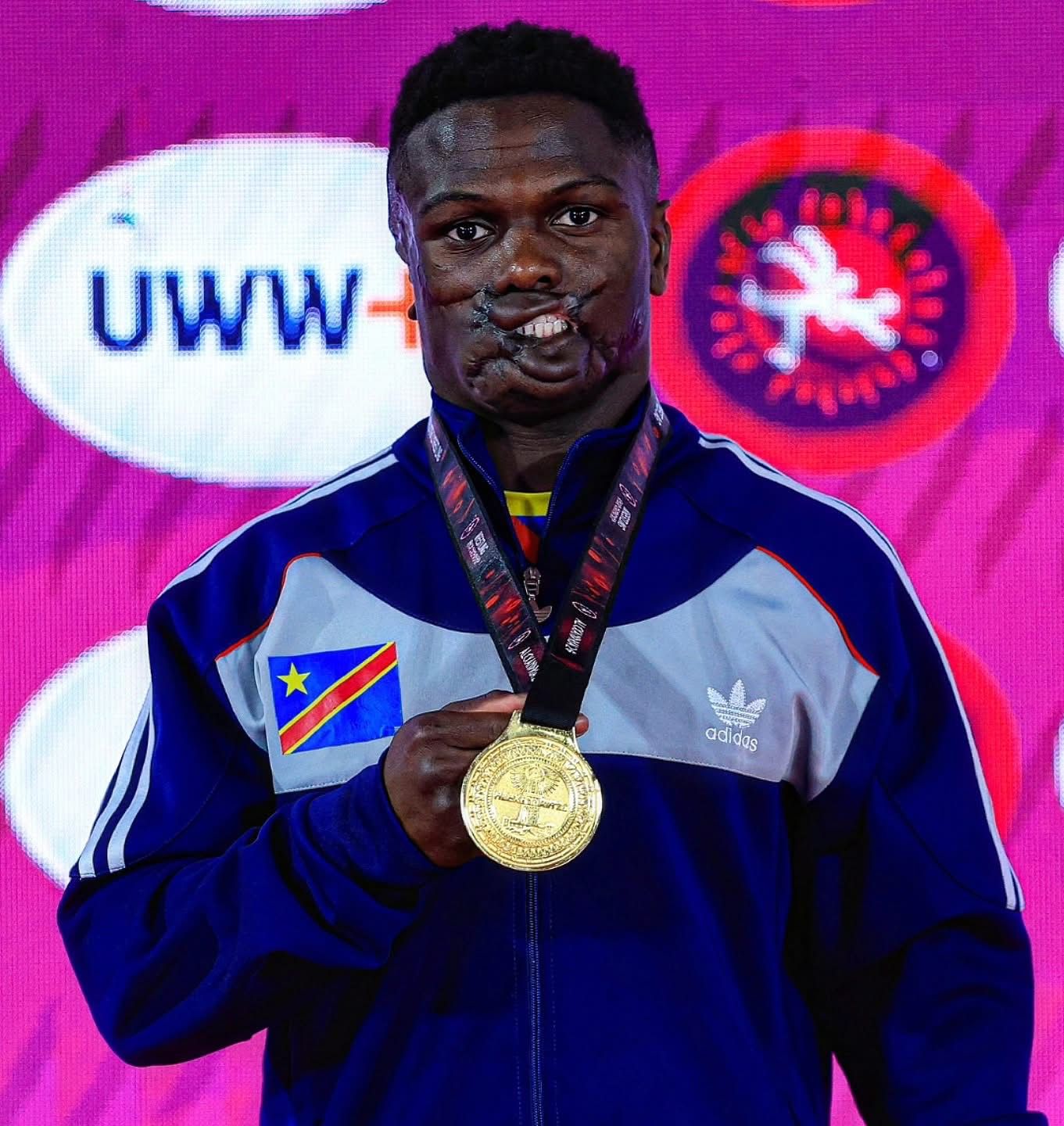
Dunia currently lives with an American host family and has enrolled in a primary school where he is learning English and his native Swahili language.
This story and what we see today is not just about an African hero, but a great human story that is translated onto the mat, making us witness the birth of a world and Olympic African hero who is coming with strength.