African Union Commission Chairperson Affirms Financial Support in the Face of Terrorism
جويتا: ملتزمون بتعزيز التعاون مع الاتحاد
Written by Ziad Abdel Fattah:
أكد محمود علي يوسف، رئيس مفوضية الاتحاد الإفريقي، دعم الاتحاد لجهود السلطات المالية في تعزيز الأمن ومكافحة الإرهاب، مشددًا على أن الإرهاب يمثل تهديدًا عابرًا للحدود، ما يستوجب تنسيقًا إقليميًا ودوليًا لمواجهته بفاعلية.
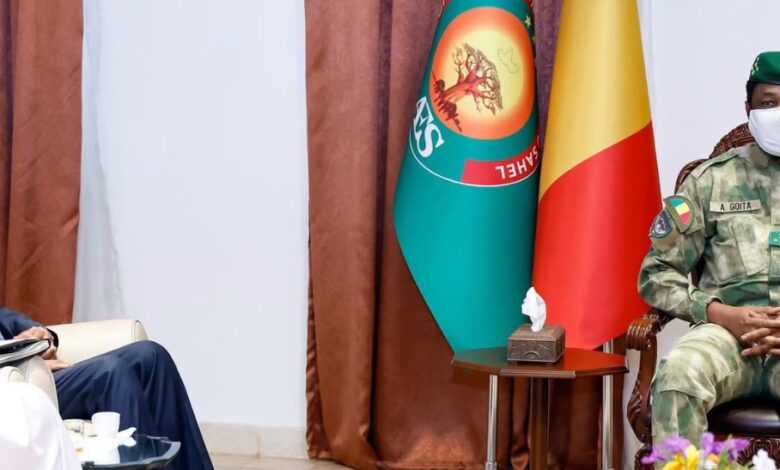
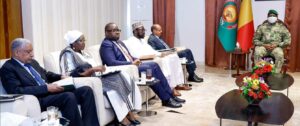
جاء ذلك خلال استقبال الرئيس المالي، الجنرال أسيمي جويتا، رئيس مفوضية الاتحاد الإفريقي، محمود علي يوسف، في قصر كولوبا بالعاصمة باماكو، حيث بحث الجانبان سبل تعزيز التعاون المشترك، وتطورات الأوضاع الأمنية والإنسانية في مالي، إلى جانب جهود استعادة الاستقرار والسلام.
ورحب الرئيس جويتا بزيارة رئيس المفوضية، معتبرًا أنها تعكس تضامن الاتحاد الإفريقي مع الحكومة والشعب المالي في مواجهة التحديات الراهنة.
من جانبه، أعرب محمود علي يوسف عن تقديره لحفاوة الاستقبال، مشيدًا بتاريخ مالي العريق وتراثها الثقافي، ومثمنًا صمود الشعب المالي في مواجهة التحديات الأمنية والاقتصادية والإنسانية.
الاتحاد الإفريقي ملتزم بمساندة مالي في التعامل مع التحديات الإنسانية
وجدد التزام الاتحاد الإفريقي بمساندة مالي في التعامل مع التحديات الإنسانية والتنموية، من خلال مؤسسات الاتحاد، وفي مقدمتها المركز الإفريقي لمكافحة الأمراض والوقاية منها، ووكالة الاتحاد الإفريقي للتنمية، مؤكدًا استعداد المنظمة لمواصلة دعم جهود باماكو الرامية إلى ترسيخ الاستقرار، وتعزيز التماسك الوطني، والتهيئة للعودة إلى النظام الدستوري، بما يحقق السلام والتنمية المستدامة.
وثمن محمود علي يوسف التزام الرئيس المالي بمبادئ حسن الجوار وتعزيز التعاون الإقليمي، باعتبارهما ركيزتين أساسيتين لتحقيق الأمن والاستقرار في المنطقة.
بدوره، أكد الرئيس أسيمي جويتا حرص بلاده على الحفاظ على حوار وثيق مع الاتحاد الإفريقي، ومواصلة التنسيق والتعاون مع المنظمة بشأن مختلف القضايا ذات الاهتمام المشترك.
وسبق لقاء رئيس مفوضية الاتحاد الإفريقي بالرئيس المالي، اجتماع عقده مع وزير الشؤون الخارجية والتعاون الدولي المالي، عبد الله ديوب، بمقر وزارة الخارجية في باماكو، لبحث عدد من الملفات ذات الاهتمام المشترك.
وزار رئيس مفوضية الاتحاد الأفريقي، محمود علي يوسف، مقر بعثة الاتحاد الإفريقي في مالي ومنطقة الساحل (ميساهل) في باماكو، يوم الاثنين 13 يوليو 2026، حيث كان في استقباله الممثل السامي للمنظمة، مامادو تانغارا. وخلال الزيارة، جدد رئيس المفوضية دعمها للبعثة المكلفة بتعزيز السلام والاستقرار والحوار والتنمية المستدامة في مالي ومنطقة الساحل.