Ebola rages in Congo: Infections exceed 1,000 and the health sector faces a storm.
A development that raises local and international concerns
Written by Omnia Hassan
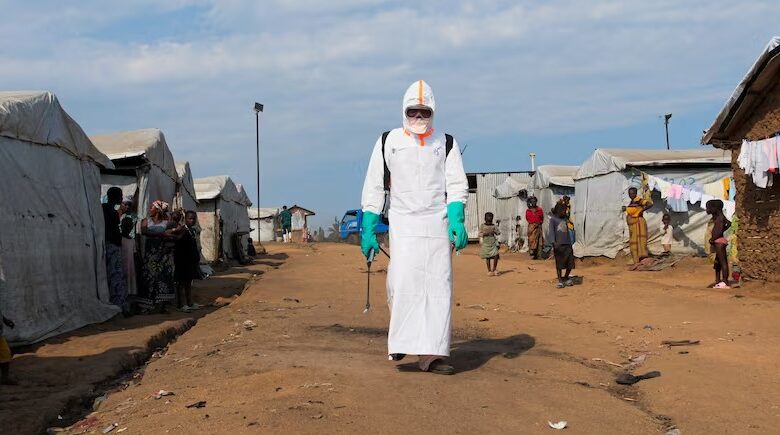
The Democratic Republic of Congo is facing an alarming escalation in the Ebola outbreak, with the number of confirmed cases exceeding 1,000, in a development that raises local and international concerns about the widening scope of the epidemic that has been plaguing the country for weeks.
Rapidly increasing numbers are alarming
Health authorities in the Democratic Republic of Congo announced that the number of confirmed Ebola cases has risen to 1,003, including 254 deaths, reflecting the rapid spread of the disease in a number of affected areas.
This surge comes just one day after the government announced 956 new cases and 247 deaths, revealing an accelerating rate of infection and putting the health system under increasing pressure to cope with the crisis.
Ituri region, the first outbreak epicenter
The current outbreak is concentrated mainly in the Ituri province in the east of the country, where the first cases of the disease were detected. Congolese Health Minister Samuel Roger Kamba confirmed during a press conference that medical efforts are ongoing to contain the epidemic and provide necessary care to those infected.
The minister noted that 80 patients had recovered and left Ebola treatment centers, a positive sign amid the increasing numbers of infections and deaths.
Healthcare workers are paying the price.
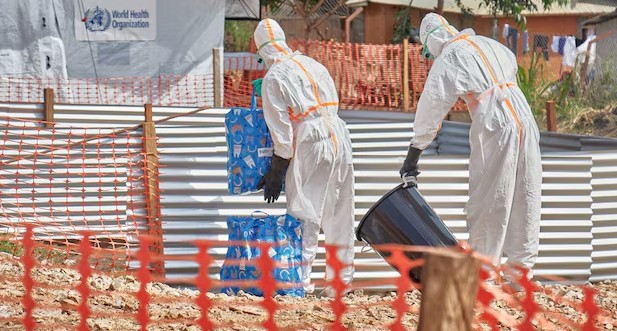
One of the most worrying aspects of this crisis is the large number of medical workers infected. The World Health Organization revealed that 75 doctors, nurses and health workers have been infected with the virus since the beginning of the current outbreak, while 17 of them have died.
These figures highlight the scale of the risks faced by frontline workers, especially in areas with limited medical resources and a lack of protective equipment.
Silent spread ahead of official announcement
Health experts believe that the Ebola virus had been spreading silently for several months before authorities officially announced the discovery of the first cases on May 15.
This means that many of those infected, including health workers, may have been exposed to the virus before they knew it existed or took the necessary precautions.
As infection rates continue to rise, attention is turning to the efforts of the Congolese government and international partners to contain the outbreak and prevent it from turning into a wider health crisis that threatens the entire region.