Chad: Population census extended for the second time until August 6 to overcome field delays

Written by: Ayman Ragab
For the second time, the Chadian authorities have extended the deadline for the implementation of the third General Population and Housing Census (RGPH-3), so that field operations will continue until August 6, 2026, with the aim of addressing the delays that have occurred in the deployment of field teams and improving coverage across the country.
The extension was approved by a government decree issued on July 20, after the deadline had previously been extended until July 21 due to delays in the start of the census operations.
17 years have passed since the last population census.
The field phase of the census officially began on June 20, 2026, under the supervision of the President of the Republic, Field Marshal Mohamed Idriss Deby Itno, who was the first to be counted as the head of a household.
The deployment of census teams across the country began on June 26, but the process faced logistical delays in deploying data collectors from its very first days, which necessitated its extension.
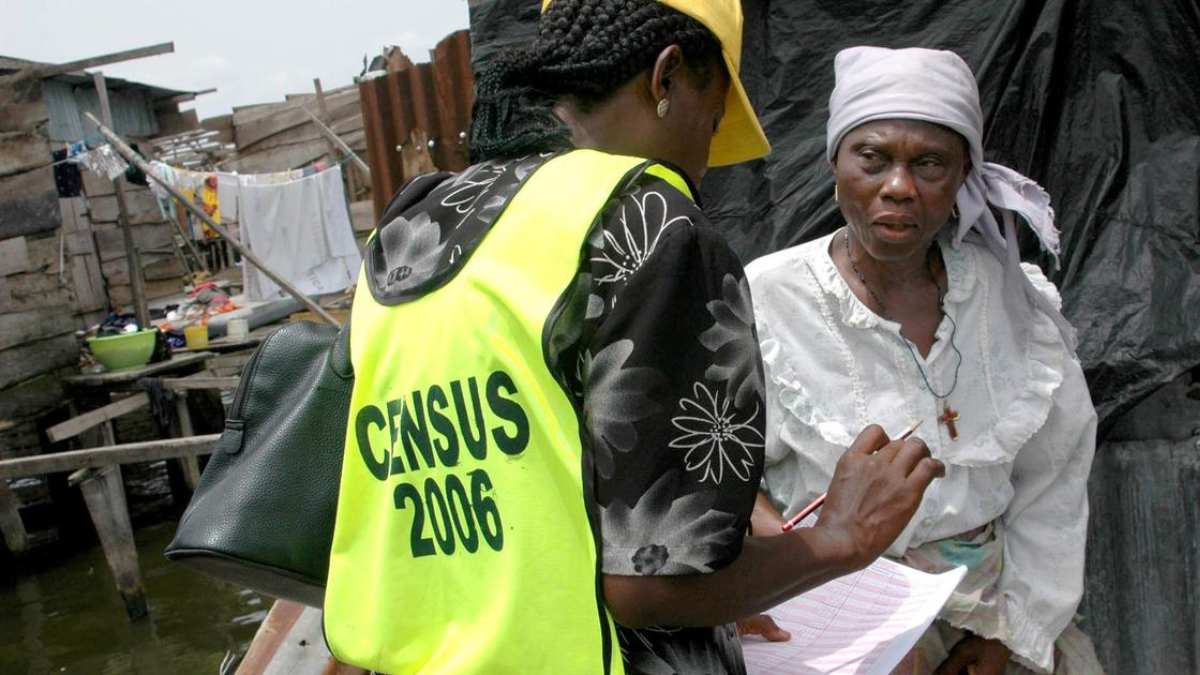
This is the third census in Chad’s history, after the censuses of 1993 and 2009, and is distinguished for the first time by its integration with the general agricultural census, in addition to its reliance on digital technologies, including satellite images, tablets, and geographic information systems.
The census comes 17 years after the last population count, at a time when Chad’s population is estimated at more than 21.5 million, compared to about 11 million in 2009.
According to the coordinator of the Third General Census Office, Dr. Madjiguto Robert, more than 1.15 million households had been counted by the beginning of July, with some 36,000 data collectors and supervisors deployed across the country, including 60 mobile teams dedicated to counting nomadic populations.
Logistical challenges in deploying teams
The authorities attributed the delays to logistical challenges in deploying the teams, in addition to the reluctance of some residents to cooperate during the initial stages, due to fears that the census was linked to the imposition of taxes, before awareness campaigns helped to boost citizens’ confidence and facilitate the access of the census teams to homes.
She also noted that the comprehensiveness of the survey, which combines population data, housing information and agricultural indicators, contributed to slowing down the pace of data collection in some areas.
The government confirmed that it has taken measures to address these challenges, expressing its confidence that the census operations will be completed and its objectives achieved before the new deadline of August 6, 2026.