Nelson Mandela International Day: Commemorating the birth of the conscience of the world against poverty and racism
Report - Ahmed Salem:
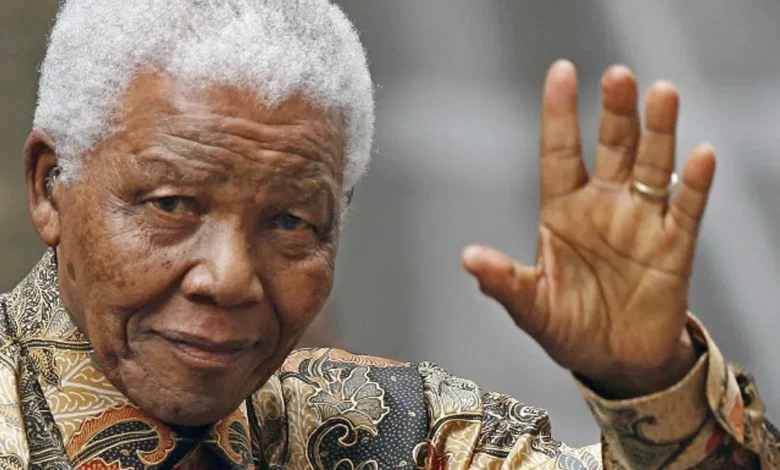
“It is in your hands to make our world a better place for everyone, especially the poor, the vulnerable, and the marginalized.”“...Thus, those words were immortalized in the memory of history when they were written down by a political leader and activist whose struggle allowed him to take the reins of power in South Africa before the world witnessed his passing in 2013.
Nelson Mandela, an icon in the fight against racism, poverty, and inequality, is commemorated worldwide on July 18th each year. This year's International Nelson Mandela Day, 2026, was celebrated under the theme: "We can still fight poverty and inequality.".
In South Africa, citizens see this day as an opportunity to realize their individual ability to change the world for the better, as well as their contribution through raising awareness and spreading Mandela's values, which include fighting injustice, helping those in need, and promoting reconciliation.
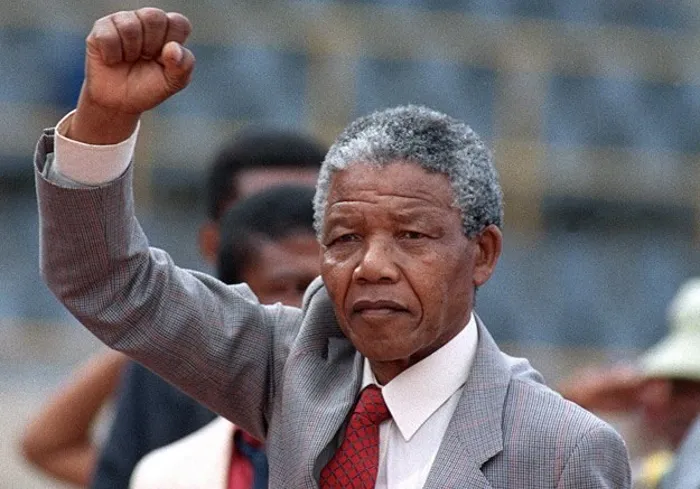
International Nelson Mandela Day
Nelson Mandela became South Africa’s first black president, serving as the country’s leader from 1994 to 1999.
During his presidency, Mandela focused on dismantling the apartheid system by addressing institutional racism and promoting recognition of racial identity.
Nelson Mandela: The Beginning of His Life
Mandela was born on July 18, 1918, and died on December 5, 2013, at the age of 95. In 2015, the United Nations expanded the scope of this day to include promoting humane conditions for prisoners.
This was done by adopting a resolution calling for the establishment of the United Nations Standard Minimum Rules for the Treatment of Prisoners, also known as the Nelson Rules.
Early in his life, Mandela was a member of the African National Congress, and in 1943, he co-founded the ANC Youth League.
He and the African National Congress devoted their efforts to overthrowing the apartheid regime.
The white National Party government established a policy of racial segregation and discrimination known as apartheid.
arrest of political activist
During the 1950s, the government arrested Mandela several times and unsuccessfully tried him for high treason. In 1962, he was sentenced to life imprisonment for conspiring to overthrow the government.
Mandela spent 27 years in prison before being released in 1990 by order of President Frederik Willem de Klerk.
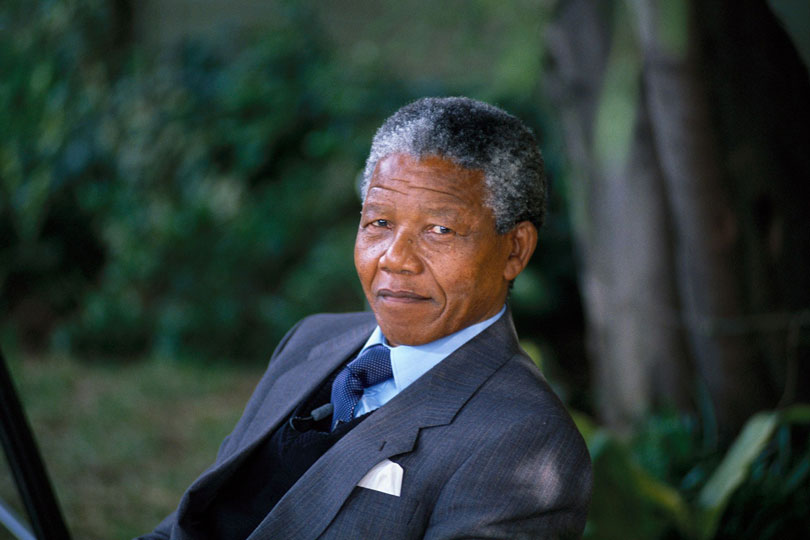
After his presidency ended, Mandela remained active in political and humanitarian work. Through his charitable foundation, the Nelson Mandela Foundation, he focused primarily on combating poverty and HIV/AIDS.
He was considered a controversial figure by many, yet he received over 250 awards, including the Nobel Peace Prize. His country honors him with the title "Father of the Nation.".
The world celebrates Mandela Day
In 2009, the United Nations General Assembly declared July 18 as Nelson Mandela International Day, in celebration of his birthday.
Various events are being held around the world to honor Nelson Mandela. Participating countries include Sri Lanka, South Africa, Switzerland, Mexico, Nigeria, the Philippines, and the United States.
These events include concerts, readings from his books, audio excerpts from his speeches, museum exhibitions, and special celebrations.