Illegal mining: Is the Democratic Republic of Congo succeeding in confronting it?
Written by: Ayman Ragab
The Eurasian Resources Group (ERG) believes that the directives issued by Congolese President Felix Tshisekedi to end illegal mining activities within industrial sites represent a potentially transformative step in a long-controversial issue over the past years.
A source in the group's administration in the Democratic Republic of Congo said: "Nothing is clearer than the directives of the Head of State in the Cabinet," expressing hope that these instructions would be translated into concrete actions on the ground.
During a cabinet meeting held on July 10, 2026, President Tshisekedi instructed the relevant authorities to take all necessary measures, without delay, to end all forms of illegal military presence at mining sites across the country, according to the meeting minutes. He also stressed the need to impose severe penalties on anyone found illegally present at these sites.
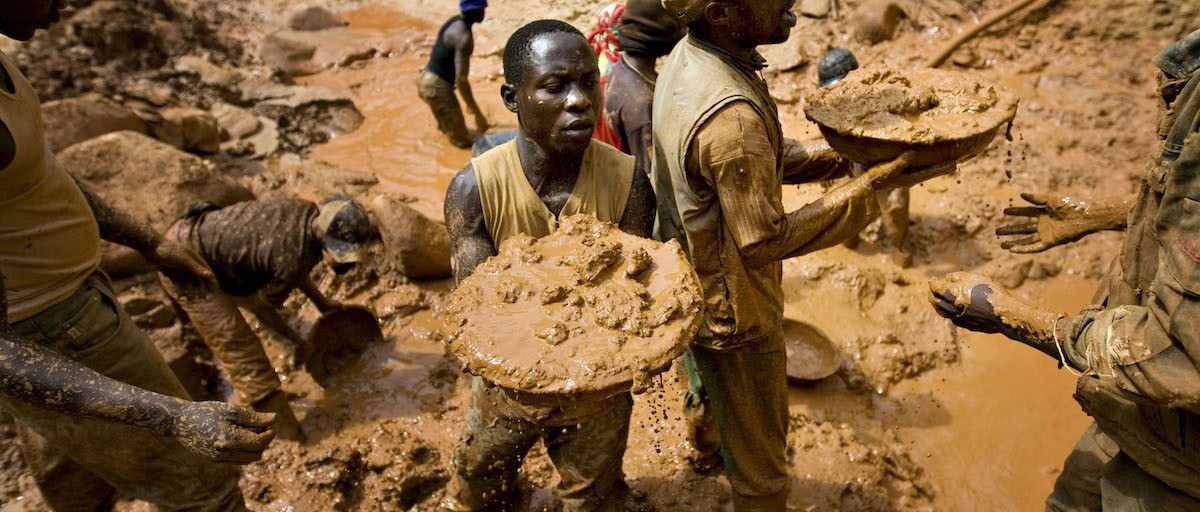
The directives included the ministers of defense, interior, mines and justice, along with the chief of staff of the armed forces of the Democratic Republic of Congo and the commissioner general of the Congolese national police, who were tasked with overseeing the “dismantling of fraud and illegal mining networks supported or protected by men in military uniform.”.
This presidential move came in response to concerns raised before the head of state regarding the continuation of illegal mining, a problem faced by several mining companies, most notably the ERG Group, which is frequently mentioned in specialized press reports.
Previous initiatives without tangible results
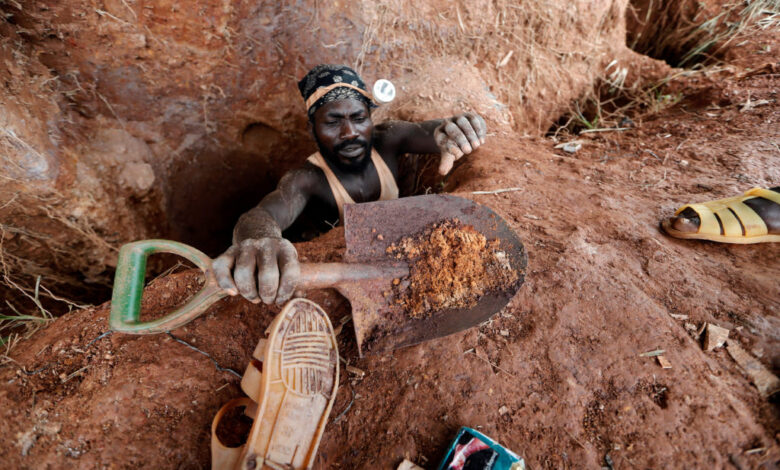
Since 2024, companies affiliated with the group, including Comed, Boss Mining, Metalcol, and Swainmines, have been subjected to repeated incursions by groups involved in illegal mining. According to investigations published by Africa Intelligence, these networks benefit from support within security agencies and political connections. The reports also included allegations against figures close to the government, but no court rulings have yet been issued to determine responsibility, according to Bankable.“
In an investigation published by the organization in May 2026, it estimated that these activities cause losses of nearly two billion US dollars annually for the ERG Group, as well as a decline in revenues for the Congolese state, which is also indirectly affected through Gicamin, the main shareholder in a number of affected companies.
President Tshisekedi believes that the illegal occupation of several mining sites by elements wearing military uniforms deprives legitimate rights holders of carrying out their mining activities, perpetuates insecurity in mining areas, disrupts supply chains and mineral tracking systems, as well as encouraging acts of intimidation, extortion, and administrative harassment targeting mining companies, government agencies, and local communities.
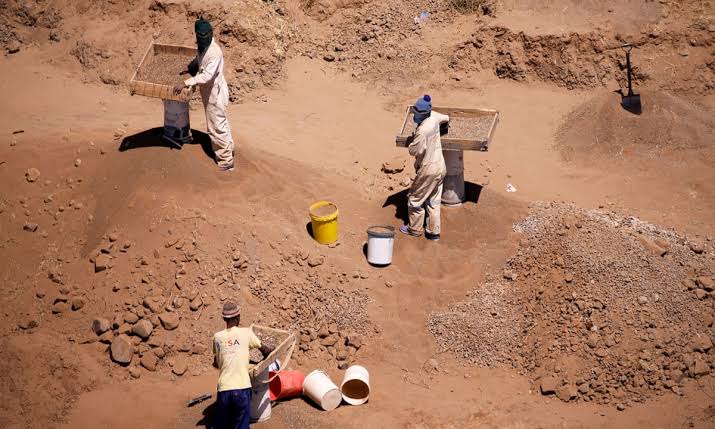
Despite initiatives announced in recent months by Justice Minister Guillaume Ngiva and Mines Minister Louis Watom Kabamba, the situation has not seen any tangible change. A source within the ERG Group told Bankable, "All our sites remain occupied," confirming that the group is awaiting the implementation of presidential directives.
A test of the investment climate
These directives are not only important for addressing the situation of the ERG group, but also a test of the Congolese authorities' ability to enforce the rule of law and improve the business environment. One mining industry worker said, "If the presidential directive is not implemented, it will be a worrying sign about the business climate.".
The minutes of the Cabinet confirm that the President of the Republic considers it “unacceptable to allow such practices to undermine the authority of the state, damage the country’s image, weaken the credibility of the reforms witnessed in the mining sector, as well as undermine the confidence of national and international investors and partners.”.
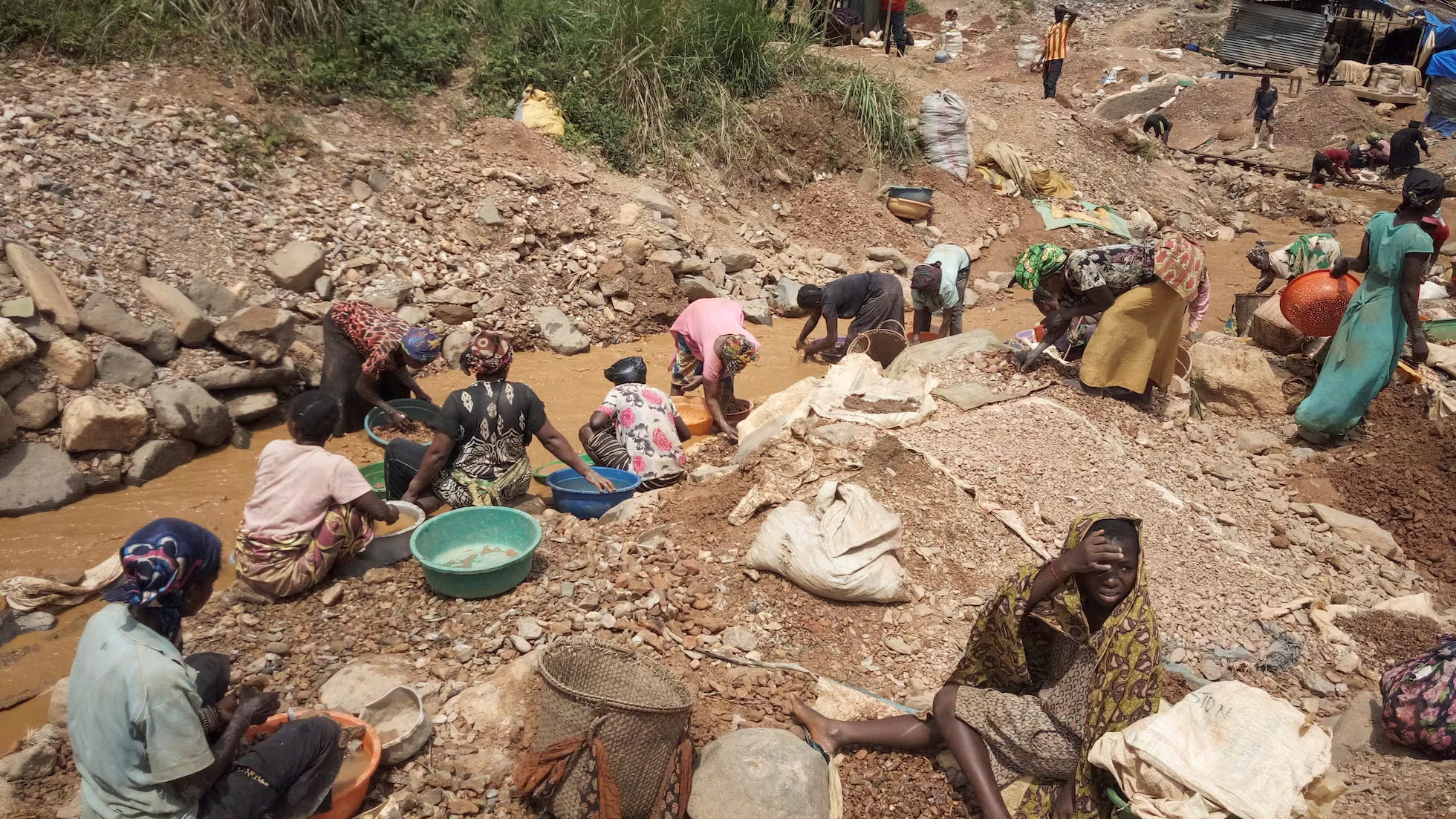
The document added that the continuation of this situation “reinforces negative perceptions about the management of natural resources, weakens oversight mechanisms, encourages illegal activities, and undermines the government’s efforts to ensure responsible and transparent exploitation of resources in accordance with international standards.”.
For mining companies, the stakes are not just regaining control of production sites, but also proving the state’s ability to protect mining licenses, secure investments, and enhance the credibility of the Democratic Republic of Congo with international investors.