Fez-Meknes is shaping the future of smart agriculture... 33 startups are leading the innovation battle
A regional vision for transforming agriculture into a technological laboratory
I wrote– Amina Hassan
In Fes-Meknes, a new development path is taking shape, placing innovation at the heart of AgricultureBy continuing to support 33 startups over five years to develop smart farming solutions and combat drought.
This approach is not limited to funding ideas, but aims to transform the entity into a national hub for agricultural innovation within Morocco, in light of increasing climate challenges and continuous pressure on water resources.
From training to empowerment: an integrated incubation path
This dynamic became evident during the events International Agriculture Exhibition In Meknes (SIAM), the results of the “Empowerment for Development” program were reviewed as part of initiatives to support agricultural entrepreneurship.
The program, implemented in partnership with the Euro-Mediterranean University of Fez and the French Development Agency, provided more than 60 hours of group training and thousands of hours of individual mentoring, with funding amounting to 2.7 million dirhams. This incubation enabled entrepreneurs to transform their ideas into practical solutions applicable in fields and farms.
Agriculture 4.0: Smart technologies for water conservation and increased production
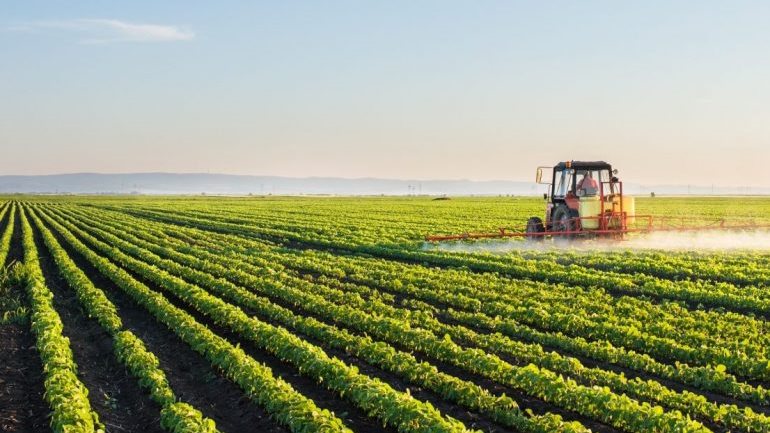
These supported startups rely on artificial intelligence, the Internet of Things, and agricultural data analytics to develop tools that monitor soil, measure crop moisture, and accurately predict irrigation needs. These solutions represent the core of "Agriculture 4.0," where technology is used to increase productivity and reduce water and energy consumption, ensuring the sustainability of agricultural activity in an environment plagued by frequent droughts.
Agricultural weight enhances food security
These initiatives are based on the real agricultural weight of the region, as Fes-Meknes contributes about 36% of the national grain production, making it a key pillar in the food security system. Hence, any technological development in its agricultural practices is directly reflected in national food stability.
Partnerships that turn challenges into opportunities
The regional strategy relies on linking universities with the private sector and farmers, and creating a live testing environment for new technologies within the fields. In this way, climate challenges are transformed into opportunities for knowledge-based economic growth, where agriculture becomes a field for innovation and entrepreneurship, and not just a traditional seasonal activity.
In this way, Fes-Meknes is cementing its position as a leading Moroccan model in smart agriculture, where young people and startups are leading a qualitative transformation that puts technology at the service of land, water and people.