Written by: Mohammed Omran
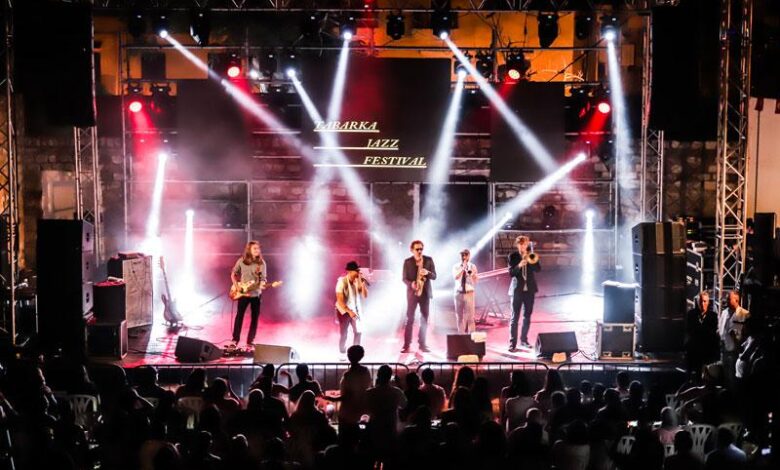
After years of hiatus and challenges, the Tunisian city of Tabarka is regaining its place on the map of international music festivals with the return of the Tabarka Jazz Festival in its twentieth edition, reaffirming its role as one of the most prominent cultural events in North Africa and the Mediterranean basin.
From July 2 to 9, the Mediterranean coastal city will transform into a global platform bringing together the biggest stars of jazz and world music, in an artistic event that goes beyond musical performances to become a real boost for cultural tourism and local development. Tunisia is banking on this historic event to highlight its cultural richness and enhance its appeal as a destination that combines art, heritage and nature.
Tabarka Jazz Festival 2026: The return of a strategic cultural event for Tunisia
The 2026 edition carries special significance, as it represents a strong return for a festival that has been associated for decades with Tabarka’s image as the jazz capital of Africa, amid the participation of prominent international names and a diverse program that combines musical creativity and cultural openness, in a step aimed at consolidating the city’s position among the most prominent cultural destinations in the region.

The event is not just a series of concerts, but represents an important cultural and tourist milestone that reflects Tunisia’s efforts to promote cultural tourism and highlight the artistic and cultural assets that the country abounds in, by bringing together Tunisian artists and prominent international names in the world of jazz and world music.
A long-established festival returns with renewed vigor
The Tabarka International Jazz Festival was founded in the 1970s and quickly established itself as one of the most prominent music festivals in North Africa. After years of intermittent interruption, the 2026 edition returns to celebrate the festival's 20th anniversary, with the support of the Tunisian Ministry of Culture, which is counting on the event to enhance the country's cultural presence regionally and internationally.
Seven major artistic evenings will be held at the Sea Theater, one of the most prominent cultural landmarks in Tabarka, which is distinguished by its direct view of the Mediterranean Sea and can accommodate about two thousand spectators.

International stars on the Tabarka stage
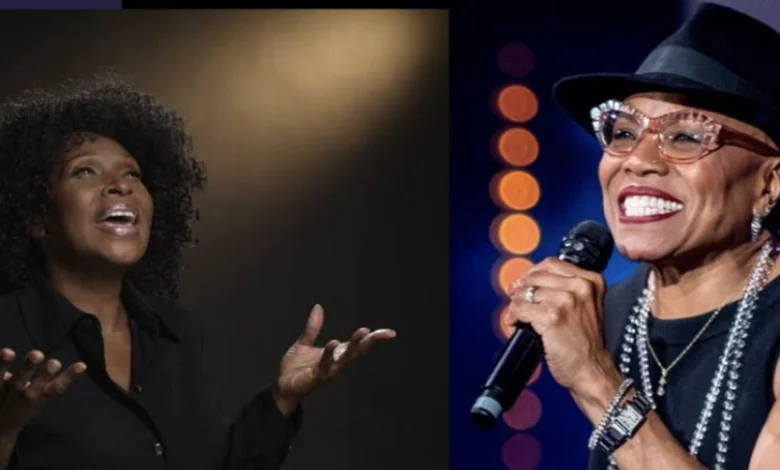
The program for the new session brings together a selection of Tunisian and international artists, including Cuban pianist Alfredo Rodriguez, American singer Liz McComb, and American rapper and poet Akua Naro, in addition to the “Origins” project, which brings together Tunisian saxophonist Yassine Boulares and Algerian singer Sofiane Saidi.
The anticipated participation of the famous American singer Dee Dee Bridgewater is also attracting widespread attention, as she is considered one of the most prominent international names in contemporary jazz music.
“"Street Jazz"... Music comes to the city
In addition to the official concerts, the festival's events include free performances as part of the "Street Jazz" program, which will transform various spaces in the city into open-air music platforms for the public.
This approach aims to broaden the scope of community participation and create a festive atmosphere in the various neighborhoods of the city, thereby enhancing the festival's status as an integrated cultural and tourist event, and not just a series of artistic performances.

Supporting cultural tourism
The return of the Tabarka Jazz Festival comes as part of a broader Tunisian strategy to develop cultural tourism and diversify the tourism product. According to official data, Tunisia welcomed more than 10 million tourists in 2025, a record number reflecting the recovery of the tourism sector.
The festival is expected to contribute to enhancing the tourist appeal of Tabarka and the Northwest region, and to encourage visitors to extend their stay and take advantage of the natural and cultural assets that characterize the region.
Unique artistic identity
The Tabarka Jazz Festival maintains its artistic distinctiveness by focusing on jazz music, world music, and cultural exchange between peoples, giving it a distinguished position compared to a number of major festivals in the region.
The festival also seeks to establish Tabarka as one of the prominent cultural destinations in the Mediterranean, taking advantage of the city’s natural diversity that combines the sea, mountains, forests and historical sites.
An ambition that transcends music
The festival organizers believe that the twentieth edition represents a new beginning for a historic cultural event that transcends the artistic dimension, becoming a tool to support local economic development and enhance Tunisia’s international presence.
Thus, the 2026 edition appears to be a declaration of a new birth for a long-established festival, aspiring to regain its status as one of the most important jazz festivals in Africa and the Mediterranean basin, and to contribute to revitalizing the cultural and tourist movement in Tunisia.