Kenya has launched an emergency education plan to address student violence and ensure the continuation of studies.
Awareness and prevention of drug and mind-altering substance abuse
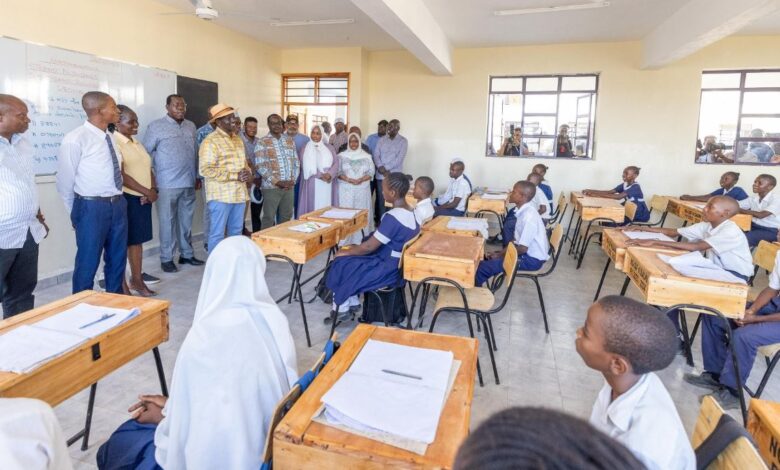
Our correspondent in Kenya: Sera John
The chief secretary for basic education issued a statement in KenyaJulius Pittock issued directives to school principals and education authorities, following a series of unresolved issues that led to the indefinite closure of a number of schools in the country.
Measures to prevent school disruptions
In an emergency meeting with all school principals on Thursday, May 14, Petuk directed officials to take proactive measures aimed at preventing disruptions in schools that have significantly disrupted the educational process for the second semester.
The Ministry of Education stressed that early detection of signs of disruption is crucial to ensuring the continuity of the educational process, following incidents that disrupted the educational process and led to the temporary closure of some educational institutions.
Pittok said: ’We are aware of disturbances in some of our schools, which have unfortunately disrupted the smooth running of the educational process and led to the closure of some institutions. We must be vigilant for any signs that may lead to the outbreak of disturbances, in order to avoid them effectively.’.
Improving communication between students, teachers, and parents
Among the measures school principals were required to take was strengthening communication channels, and Betok emphasized the need to improve communication between students, teachers, parents, and even administrators. According to the Ministry of Education, the failure to resolve complaints and the poor flow of information significantly contributed to increased tension within educational environments.
Petok directed the order to those in charge: ’Schools must strengthen communication channels between students, teachers, parents and administration to promote trust and transparency and to resolve problems in a timely manner.’.
He also called for fair and corrective disciplinary methods, urging schools to create environments where students feel their voices are heard and that they are respected and supported rather than punished. He added: ’Discipline should be fair, supportive, and corrective. Schools must create environments where students feel their voices are heard and that they are respected and supported.’.
Pittok also directed school principals to establish and strengthen early warning systems to monitor any potential signs of unrest before they occur.
He also instructed school principals to intensify awareness and prevention efforts against drug and mind-altering substance abuse among students, a problem closely linked to the increasing number of disorders.
These directives come amid a wave of escalating unrest in high schools, which has led to students burning down dormitories and schools being closed indefinitely.
An incident occurred on Wednesday, May 13, 2026, at the Magerezani Academy in Naivasha, where students allegedly set fire to a dormitory, prompting the school board to send the students home. The incident also resulted in the arrest of four students suspected of planning the fire, and the investigation is ongoing.
Also on May 12, it was alleged that students at Kawmoni High School for Boys in McWine County set fire to several administrative buildings.
Last April, Merithu Girls High School in Limuru was closed indefinitely after a fire in one of the student residences damaged property, while in January 2026, Matongolo Boys High School suffered a fire that destroyed four student residences.
Other schools that were also affected include Dr. Agri School in Taita Tavita, Ngoro Girls High School, Kangaroo Boys High School in Embu District, and Chipwagan Boys High School in Kericho District.