Amid a severe drug shortage in Namibia, the country's president inspects manufacturing at Fabopharm.
Essential medicines are still unavailable
Written by Ziad Abdel Fattah:
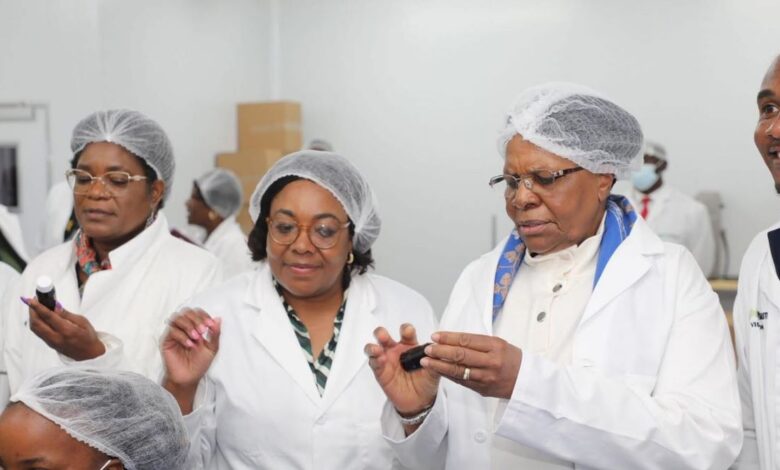
Amid a drug crisis hitting Namibia, and as the situation began to spiral out of control, the Namibian president visited Ntombo Nandi-Ndaytwa today visited the Fabopharm pharmaceutical factory in Otjiwarongo, in the Otjozondjoba region, to learn about the manufacturing processes.
Fabopharm produces more than 180 health products, including registered medicines such as paracetamol and antibiotics, vitamin supplements, immune boosters, medicated creams, sunscreens, and cosmetics.
Fabofarm's commitment to Namibia's development strategy
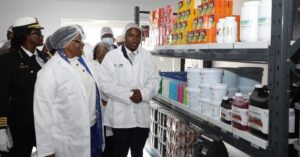
In her remarks following a presentation and tour of the factory, President Nandi-Ndaitwa commended Fabofarm's management for its commitment to Namibia's national development strategy.
She noted that collective efforts of this kind will drive national development and promote shared prosperity, praising the company’s vital contribution to providing high-quality healthcare to the Namibian people.
Objection to the announcement of improved drug stock levels
This coincides with objections from medical professionals in public hospitals to Health Minister Esperance Lovindau's claims that drug stock levels have improved.
Doctors, who spoke to The Namibian on condition of anonymity, claim that the severe shortage continues to affect patient care in many departments.
Namibia’s Ministry of Health and Social Services announced on Sunday that the national drug stock levels are currently around 60%, but medical professionals say the improvement reported by the ministry in drug availability does not reflect the situation on the ground, saying: “How can an official claim there is a stock level of 60% when patients are still going home without life-saving drugs?”
One doctor says: “Essential drugs such as vitamin K, which is used in newborns in the groin shortly after birth to provide immediate and long-term protection against a life-threatening bleeding disorder, are starting to run out.”.
Another specialist stated that staff are "frustrated" by the ongoing shortage, saying, "We are the ones who deal with patients every day, and currently, there is no Almodipine and Enalapril, a prescription-strength combination drug primarily used to treat high blood pressure.".
The situation is out of control
One of the doctors says: “We are forced to explain why treatment cannot continue or why surgeries are postponed, which is the lack of medicine.” The situation has never been so out of control as it is now. If President Ntombo Nandi-Ndaitwa is serious about her nation, she should request a meeting with us to see for herself on the ground.
His remarks come as Nandi-Ndaitwah visits VaboPharm's drug manufacturing facility in Otjiwarongo today.
Doctors say there may be improvement in some areas, but vital medicines are still unavailable.
They explained that all operations listed in the pediatric department's schedule were cancelled due to the unavailability of neostigmine, a synthetic cholinesterase inhibitor drug primarily used in anesthesia.