Nigeria: Dangote refinery exports 1.66 billion liters of fuel
Nigeria is strengthening its presence as a global alternative fuel supplier.
Written by: Boubacar Sane - Our correspondent from Nigeria
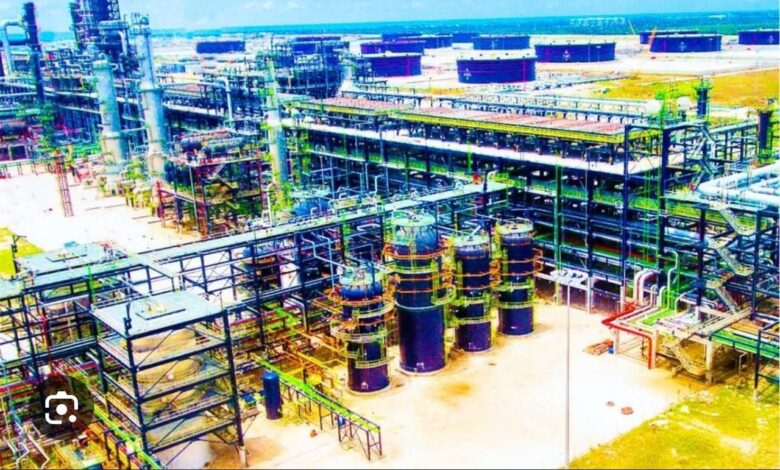
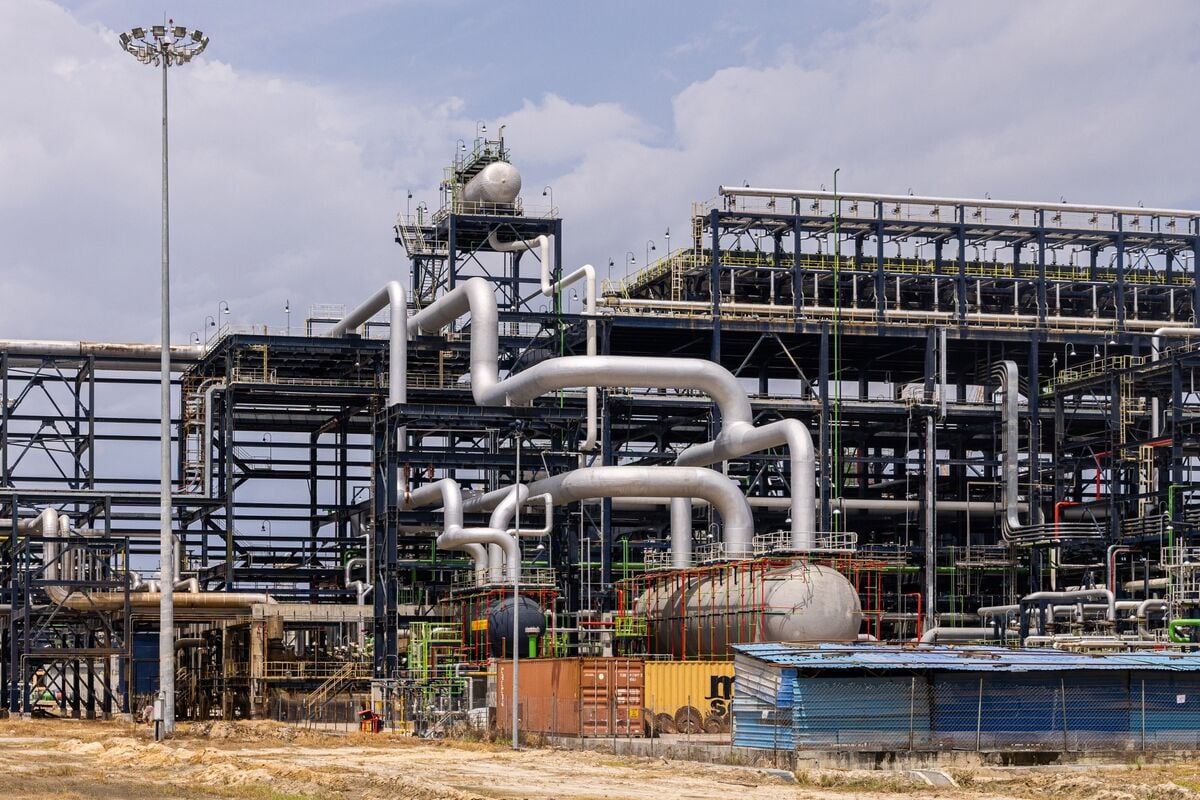
Recent data released by the Nigerian Regulatory Authority revealed Oil sector (NMDPRA) Dangote Petroleum and Petrochemical Refinery exported approximately 1.66 billion liters of refined petroleum products in April 2026.
Nigeria strengthens its presence as a global alternative fuel supplier through record exports from the Dangote refinery
This development comes amid escalating tensions between the United States and Iran, raising concerns about potential disruptions to global fuel supply lines and increased international demand for alternative fuel suppliers.
According to data from the Nigerian Petroleum Regulatory Authority (NMDPRA) for April 2026, the refinery issued the following:
513 million liters of premium gasoline
534 million liters of gas oil for cars (diesel)
615 million liters of jet fuel
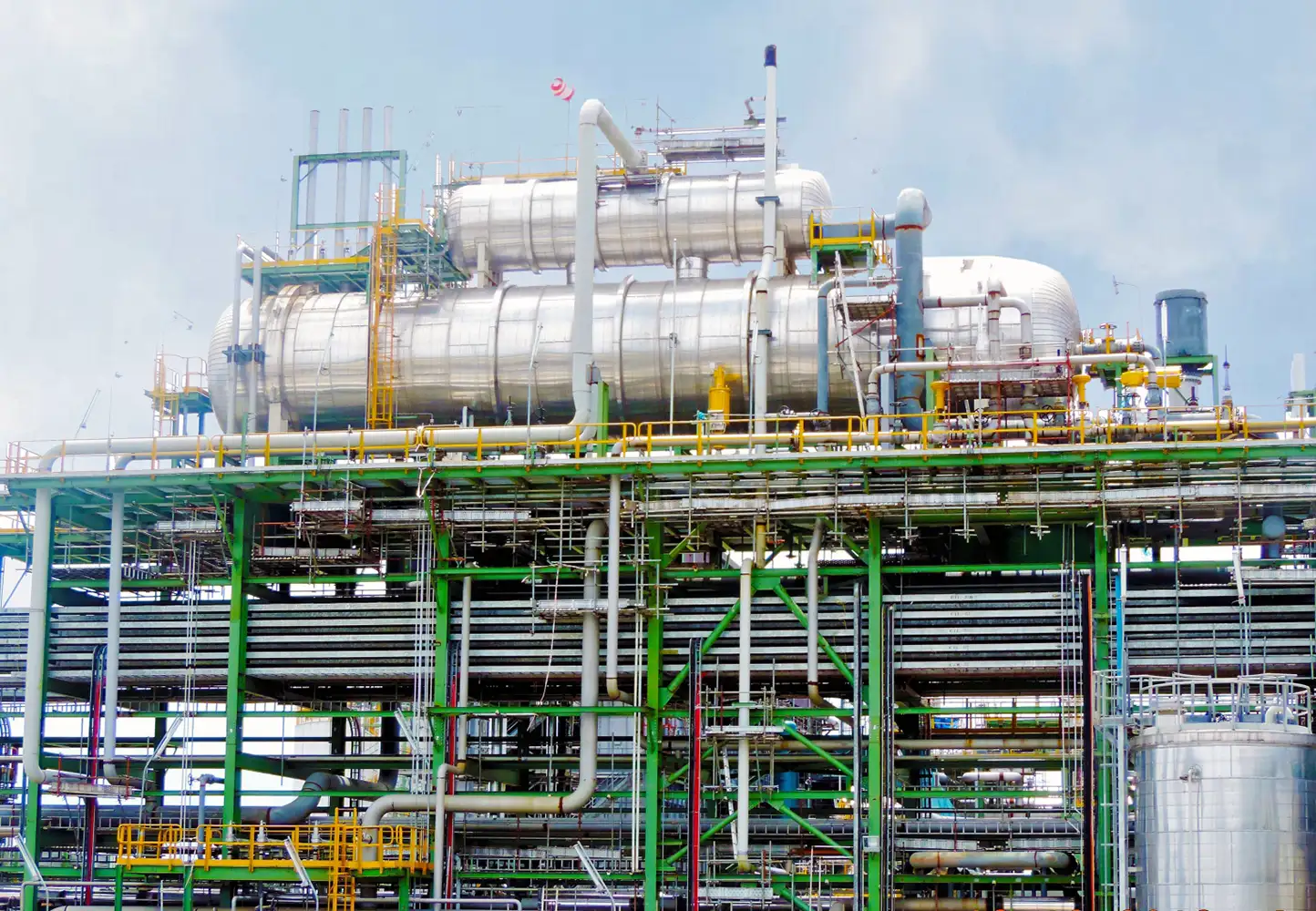
The Dangote refinery is the only major refinery currently operating in Nigeria, producing sufficient quantities of petroleum products for domestic consumption and export.
Industry analysts described the export volume as unprecedented, particularly for jet fuel and diesel, highlighting the growing influence of the 650,000-barrel-per-day Leckie refinery in the global energy market.
Total exports represent an average of 55.4 million liters per day. This significant increase in exports coincides with the uncertainty prevailing in the global oil market following the failure of peace talks between the United States and Iran, particularly due to concerns related to the Strait of Hormuz, one of the world's most important strategic oil transit routes.
Experts say geopolitical tensions have prompted Europe, Africa and parts of Asia to seek more reliable fuel supply sources, with Nigeria emerging as a key alternative supplier.
A report by the Nigerian Petroleum and Gas Price Regulator (NMDPRA) showed that domestic refineries operated at an average production capacity of 99,121 TP3T in April, with the Dangote refinery accounting for the majority of production. The NMDPRA stated that the refinery operated at full capacity “for most of the days in April.”.
Crude oil supplies to domestic refineries rose sharply, reaching 18.37 million barrels in April, compared to 13.11 million barrels in March.
Despite the increase in exports, the refinery continued to supply the local market in large quantities:
Average daily oil production was 53.6 million liters
Domestic gasoline supplies reached 40.7 million liters per day.
Average daily oil exports reached 17.1 million liters.
Diesel exports reached 17.8 million liters per day, exceeding domestic supply of 8 million liters per day. Jet fuel exports reached 20.5 million liters per day, while average domestic supply was 2.6 million liters per day.
This strong performance in jet fuel exports comes amid concerns among domestic airlines about rising jet fuel costs.
The latest figures indicate that Nigeria may now become a net exporter of refined petroleum products for the first time in decades, driven largely by increased production from the Dangote refinery.
Meanwhile, the Nigerian Petroleum Products Marketing Authority revealed that Nigerians consumed an average of 51.1 million liters of gasoline per day in April. Diesel consumption reached 17.3 million liters per day, while jet fuel consumption averaged 2.5 million liters per day.
Despite improvements in domestic refining operations, gasoline prices remained high nationwide due to high global crude oil prices, which averaged US$120.55 per barrel during that period.
The Dangote refinery is expected to play a key role in Nigeria’s energy security, foreign exchange earnings, and the evolving fuel trading market in Africa, as global geopolitical tensions continue to reshape supply chains.