The crisis in Senegal is worsening following the resignation of the Speaker of Parliament.
The Senegalese parliament speaker resigned two days after the prime minister was dismissed.
Written by Ziad Abdel Fattah:
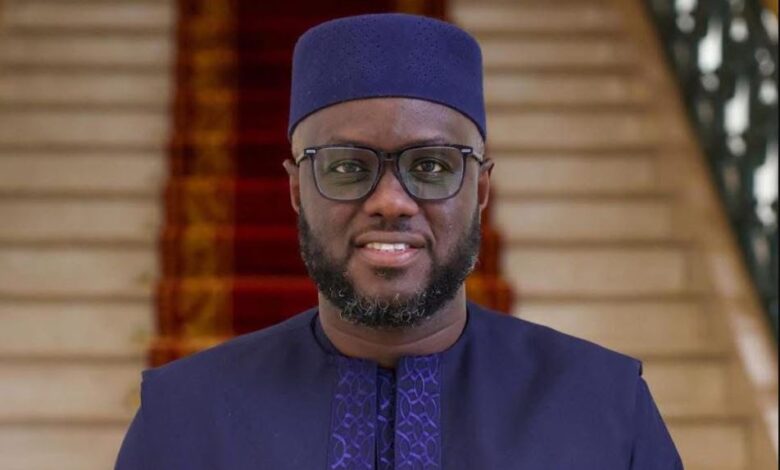
The speaker of Senegal's parliament, Malick Ndiaye, announced his resignation two days after the president dismissed the government, further exacerbating the political turmoil in the country. West Africa.
Ndiaye, a prominent figure in the ruling PASTEF party, said on Sunday that his resignation was a personal decision, citing the "higher interest of the nation" as the reason for his departure.
President Basiru Diomae Faye dismisses Prime Minister Ousmane Sonko
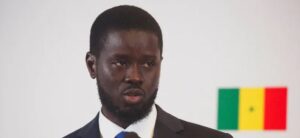
President Basiru Diomae Faye dismissed Prime Minister Ousman Sonko on Friday and dissolved the government after months of escalating tensions.
The relationship between Faye and Sonko, both leaders of the “African Patriots for Work, Ethics and Fraternity in Senegal” (PASTEV) party, has cooled recently despite the strong friendship between them.
Relations between Fay and Sonko, allies who came to power together in 2024, deteriorated amid mounting economic challenges related to debt and the domestic fallout from the Iran war.
Parliament approves Ndiaye's resignation
During an extraordinary meeting, the parliament's bureau accepted Ndiaye's resignation and approved the request to reinstate Sonko to parliament after his dismissal as prime minister.
Meanwhile, Senegalese media outlets have suggested that Ndiaye, known for his close ties to Sonko, may have resigned from his position to pave the way for Sonko's election as Speaker of Parliament.
While the position of Speaker of Parliament is the second highest position in the state hierarchy in Senegal after the presidency, the PASTEF party, led by Sonko and holding 130 out of 165 seats in Parliament, is expected to elect its leader as Speaker of Parliament during the session on May 26.
Senegal is going through a delicate financial situation
Senegal is going through a delicate financial situation after negotiations with the International Monetary Fund regarding a new aid program stalled, after public debt exceeded 130% of GDP, prompting the government to take strict austerity measures.
Parliament had approved a budget aimed at restoring “the credibility of public finances”, with an attempt to raise the growth rate to 5.5%.
An emergency session is scheduled for tomorrow, Tuesday, May 26, to reinstate Ousmane Sonko as a member of parliament after he lost his government post and to elect a new speaker of parliament, while amendments to the electoral law that could affect the conditions for candidacy in the upcoming presidential elections are being discussed.