Chadian president moves to contain tensions in Ighout
Violence erupts in the village of Ighut
Written by: Mohamed Ragab
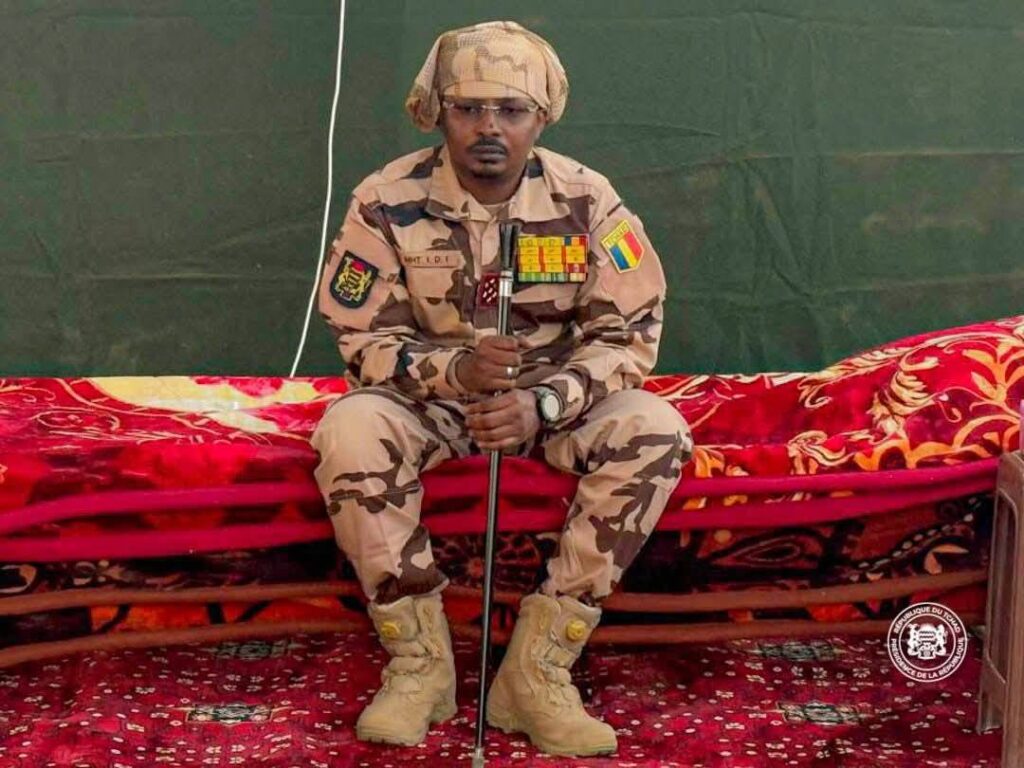
receipt Mohammed Idris Déby Itno, President of the Republic of ChadTo the village of Ighut in the Wadi Fira region ChadThis comes against the backdrop of violence that erupted as a result of a conflict between community groups, resulting in deaths and a number of injuries, prompting swift action from the presidency. Chadian To contain the crisis and restore stability to the region.
The president’s visit to the scene of the events comes amid escalating local tensions, as he preferred to be on the ground to directly oversee developments, in a message that confirms the central authorities’ interest in quickly dealing with security crises that affect civil peace.
Establishing a field headquarters for crisis management
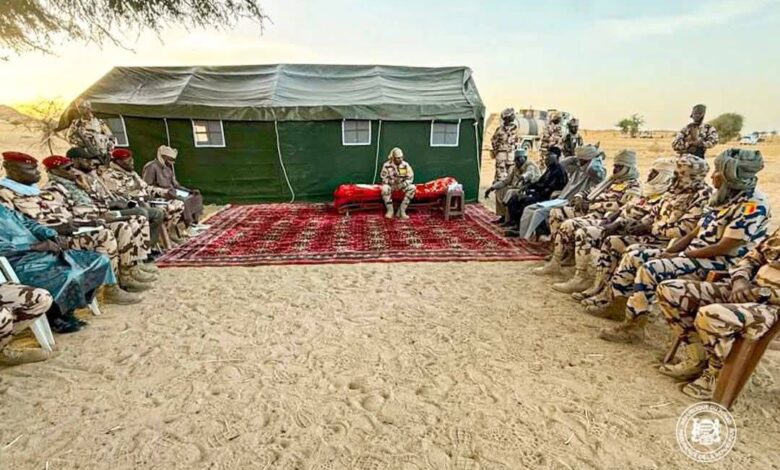
Upon his arrival in the region, President Mohamed Idriss Deby Itno immediately set up a field headquarters to manage the crisis, with the aim of closely monitoring events and urgently coordinating governmental and security interventions.
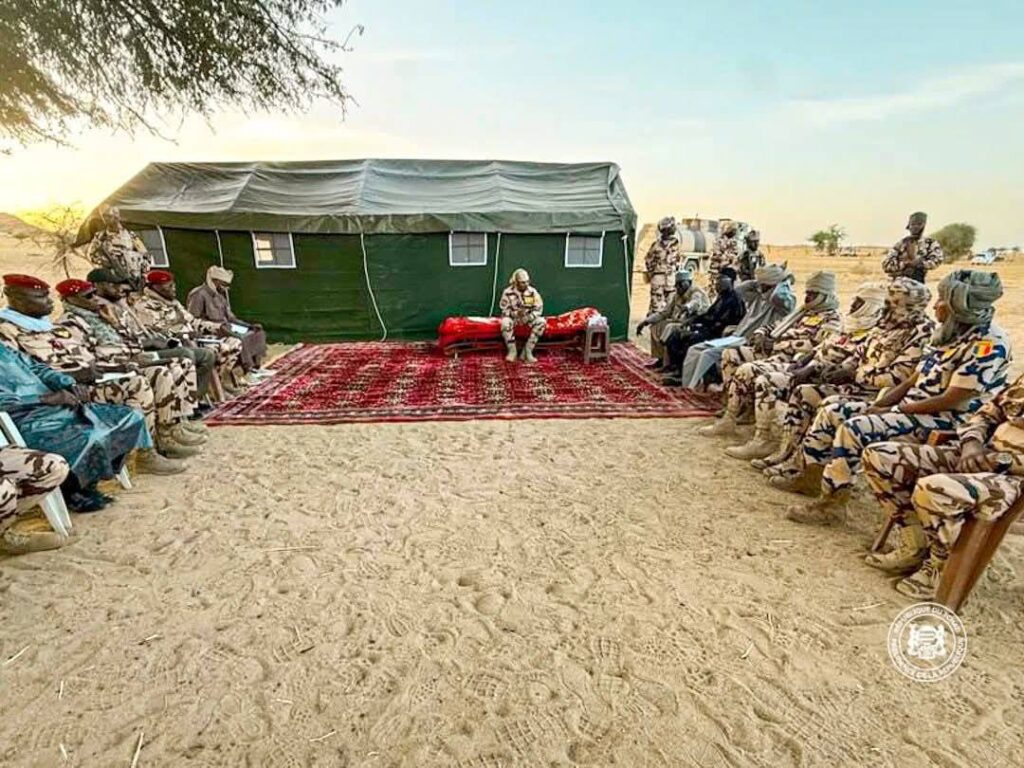
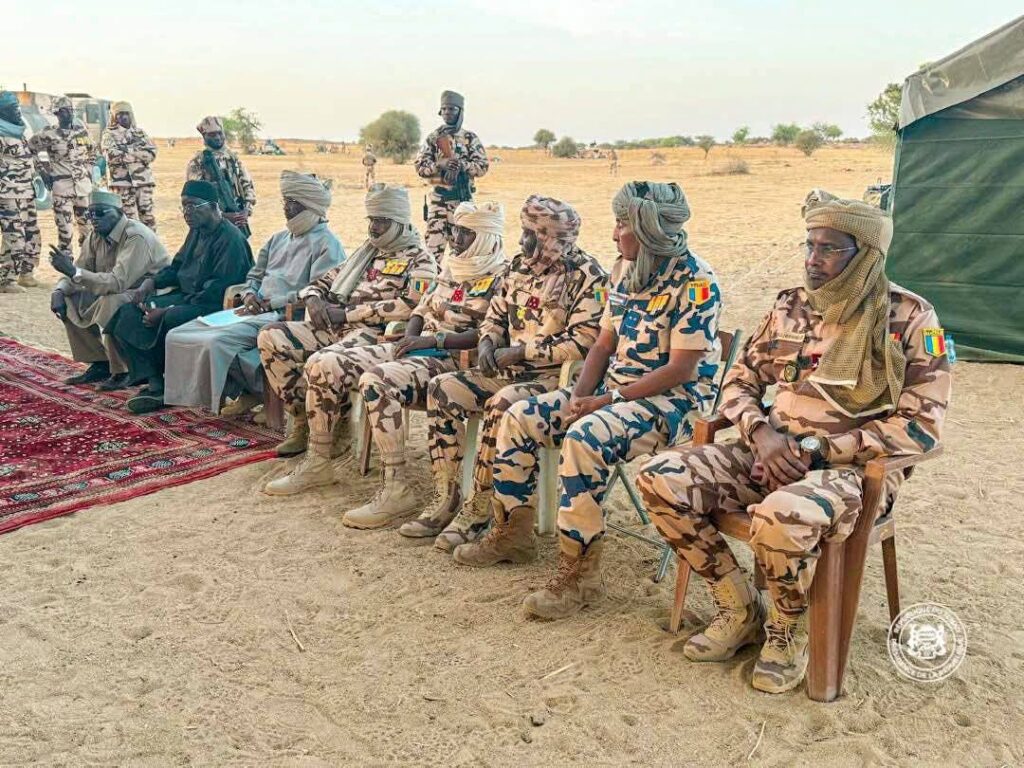
The head of state chaired an expanded security meeting that included the accompanying government delegation, which was headed by Liman MohammedAlong with a number of officials and military personnel involved in following up on the matter.
The meeting discussed the latest developments on the ground, the extent of the damage caused by the clashes, as well as ways to contain the tensions and prevent them from spreading to other areas.
Presidential move objectives
This presidential move aims to ascertain the true situation on the ground, assess the security and humanitarian challenges left by the violence, and coordinate the efforts of local authorities and security forces to restore calm and enforce the rule of law.
Through this direct presence, the Chadian president also seeks to send a message of reassurance to the local population, that the state is present and able to intervene to protect citizens and maintain public security.
Observers believe that the establishment of a field operations room reflects the seriousness of the authorities in dealing with the crisis, especially in areas that witness tribal or social sensitivities that could lead to widespread unrest if they are not contained quickly.
Efforts to restore stability
During the current phase, the Chadian government is seeking to calm the situation between the conflicting parties and open channels for community dialogue in parallel with security measures, in order to prevent renewed clashes.
Chad occasionally faces internal security challenges related to local conflicts and community tensions, making the speed of government response a crucial factor in maintaining civil peace and national stability.