Uganda's Independence Day, October 9th, commemorates the country's separation from Britain.
Huge annual celebrations and meals...
Written by Ziad Abdel Fattah:
The Republic of Uganda celebrates its Independence Day on October 9th of each year, commemorating the country's achievement of its freedom and full independence from the Soviet Union. British colonialism On October 9, 1962, Ugandans get an official holiday in the country.
Uganda gained its sovereignty after 70 years of British rule, and was officially declared a free country before the international community in 1962, while on October 9th it will celebrate the 64th anniversary of its independence.
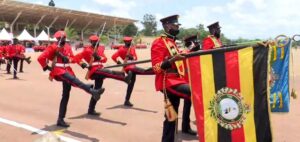
Massive military parades to mark the celebration
The celebrations begin annually in Kololo Ceremonial Square in the capital, Kampala, where Ugandans gather to watch and listen to the president's speech about the future of the country.
The celebrations include huge military parades, official national speeches delivered by the country's president, as well as cultural performances and folk dances.
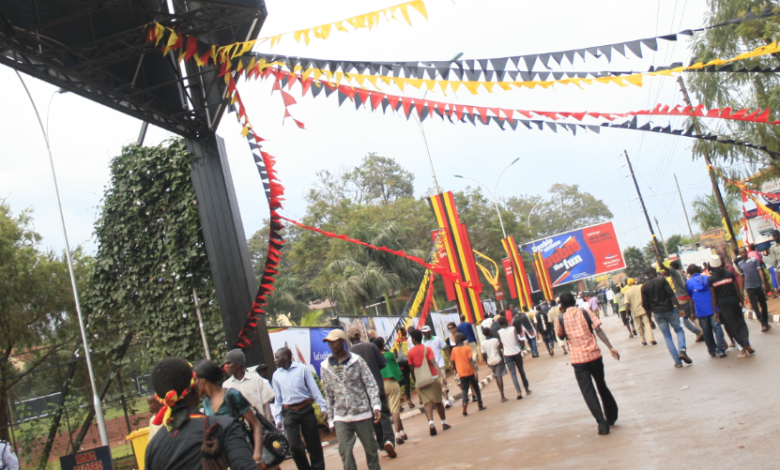
After the speeches, festive processions with dancers and music groups roam the city streets, and later Ugandans gather with their loved ones to eat traditional meals, such as the national dish, matoke – which is steamed mashed plantain served with meat.
The three colors of the Ugandan flag represent identity.
The Ugandan flag consists of 6 stripes of 3 colors, with a crowned crane in the center. The black symbolizes the homeland, the yellow the sunshine, and the red the brotherhood. The flag was officially adopted on Uganda's Independence Day.
Historically, Uganda was discovered in 1875 by explorer Henry Stanley, at which time it was divided into two kingdoms. In 1888, Uganda came under the control of British East Africa.
After World War II, native Ugandans were allowed to work in the government, and by 1955, half of the members of the Legislative Assembly were Ugandans.
The Ugandan Constitutional Conference was held in London in September 1961, with the aim of paving the way for Uganda's independence. At the conclusion of the conference on October 9, Uganda officially became an independent state.
It is worth noting that on the first anniversary of independence on October 9, 1963, Uganda took another step towards separation from the United Kingdom, as Elizabeth II was overthrown as head of state and succeeded by Edward Mutesa, who assumed the presidency.
The first celebrations of Independence Day took place on the same day, with Andrew Cavendish, the 11th Duke of Devonshire, Secretary of State for the Commonwealth, representing the United Kingdom at the ceremony, and this date became a public holiday in subsequent years.