Nigeria: 2 trillion allocated to road projects from a 54 billion riyal budget amid concerns over project slowdowns
The budget is experiencing a widening funding gap.
Boubacar Sani – Our correspondent from Nigeria
An investigation revealed that the federal government, despite allocating a huge sum of 54.93 trillion naira for road construction, rehabilitation and maintenance projects between 2023 and April 2026, released only 2.68 trillion naira, less than 5% of the total allocation.
Analysis of data from the Open Treasury Portal reveals a growing gap between the government's ambitious infrastructure plans and the funding actually disbursed, raising concerns about the pace of implementation of vital road projects nationwide.
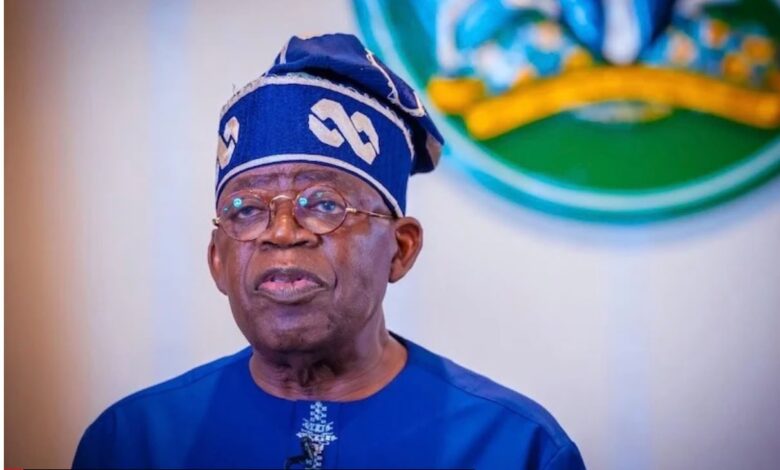
These results come as Tinobo's management intensifies its efforts to showcase its achievements under the "Renewed Hope" program through its ongoing media tour.
Records indicate that road projects were allocated 2.53 trillion naira in 2023, but only 631.51 billion naira was spent, representing an implementation rate of 24.95%.
In 2024, the allocations increased to 9.39 trillion naira, but the amounts actually spent fell sharply to 784.60 billion naira, equivalent to only 8.36% of the approved budget.
This trend continued in 2025, with 670.68 billion naira disbursed out of a total allocation of 7.22 trillion naira, resulting in an execution rate of 9.29%.
The biggest funding gap
The biggest gap emerged in 2026. In April, the government allocated 35.79 trillion naira for road projects – the highest annual allocation during the period under review – but disbursed only 597.08 billion naira, equivalent to just 1.67% of the allocation.
Analysis of the figures shows that road construction consistently attracted the largest share of budget allocations, rising from 1.09 trillion naira in 2023 to 23.61 trillion naira in 2026. Rehabilitation and repair projects also recorded significant increases, rising from 1.42 trillion naira to 12.03 trillion naira during the same period. However, the amounts actually spent remained well below the approved spending plans.
Road and bridge maintenance
The data also shows that although road and bridge maintenance received the smallest allocations, it recorded the highest implementation rate. In 2024, maintenance projects achieved a funding implementation rate exceeding 90%, significantly outperforming construction and rehabilitation projects.
Overall, government records indicate that since 2023 only 2.68 trillion naira out of 54.93 trillion naira allocated for road infrastructure has been disbursed, leaving a large funding gap that continues to affect project completion.
This funding shortfall comes at a time when a number of flagship projects – including the Lagos-Kalabar Coastal Road, the Abuja-Kaduna-Zaria-Kano Road, the Sokoto-Badagri Expressway, and other strategic federal highways – are being promoted as key drivers of economic growth and national connectivity.
Minister of Works David Omahi recently revealed that the ministry inherited over 2,000 ongoing projects and is facing severe funding challenges. He stated that the federal government currently owes contractors approximately 2.2 trillion naira for approved work completed between 2024 and 2025.
O'Mahi also informed lawmakers that limited funding forced the department to reprioritize and redefine projects, despite increased budget allocations.
These figures underscore a recurring challenge in infrastructure financing in Nigeria: while budget allocations are increasing, actual cash flow remains insufficient to keep pace with the scale of planned projects.
Analysts warn that unless budget commitments are backed up by sufficient and timely funding, the government’s ambitious road infrastructure agenda may struggle to achieve its desired economic and developmental benefits.