Kenya erupts in protests over fuel prices: 4 dead, 348 arrested, and Ruto faces the most violent protests since taking office.

Written by: Mohammed Omran
Witnessed Kenya A wave of violent protests over the sharp rise in fuel prices has resulted in the death of four people and the injury of more than 30 others, in addition to the arrest of 348 protesters, amid a state of tension in the country that has been described as one of the most violent since President William Ruto took office.
Kenya erupts in protest over fuel prices
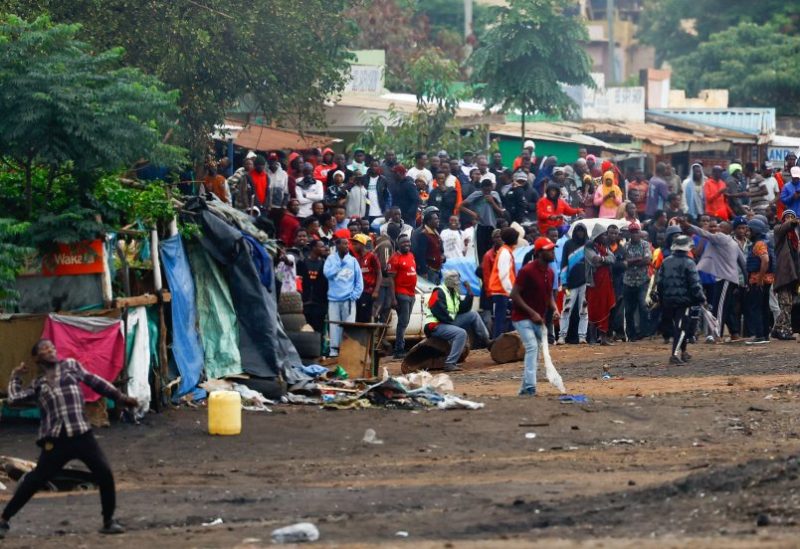
Protests broke out in various areas, particularly in the suburbs of the capital, Nairobi, where protesters blocked roads and set tires on fire in an attempt to paralyze traffic, leading to a near-total shutdown of the public transport sector and disrupting daily life in major cities.
The Kenyan Interior Ministry announced that the violence resulted in casualties and injuries, accusing “criminal elements” of exploiting the protests to target public and private property, while authorities confirmed that roads were reopened after security forces intervened and contained the unrest.

4 dead and 348 arrested in Kenya
In contrast, the government deemed the strike and protests “unjustified,” noting that the rise in fuel prices was linked to external factors, most notably global geopolitical tensions and their impact on energy markets, especially given Kenya’s heavy reliance on fuel imports from abroad.

Kenya is among the African countries most affected by energy price fluctuations, especially with the rise in gasoline prices by approximately 20% and diesel by about 45.8% since the beginning of tensions in global markets, which has directly impacted transportation costs and commodity prices.
The crisis coincided with a widespread strike by public transport operators, which caused significant disruption to traffic in the capital Nairobi and major cities such as Mombasa, Nakuru and Eldoret, disrupted schools and forced thousands of employees to work from home.
Transport unions and the private sector have warned of serious economic repercussions, including rising production and transport costs and declining supply chains, which could exacerbate inflation rates and affect the business environment in the country.
In an attempt to contain the crisis, the Energy Regulatory Authority announced a recalculation of fuel prices for the coming period, with continued partial support for diesel and kerosene, while the government asserts that it has spent tens of millions of dollars to mitigate the impact of the increases on citizens.

While public anger continues, Kenya faces a difficult test between street pressures and the challenges of the global economy, in a crisis that is likely to escalate further if quick solutions are not taken to contain its repercussions.