Nigeria is at risk of suspending flights due to soaring jet fuel prices.
Nigerian airlines threaten
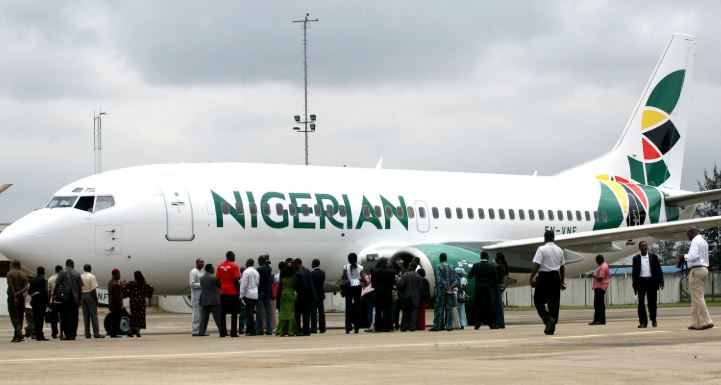
Nigeria’s domestic aviation sector is facing potential disruption, with the Nigerian Airlines Authority issuing a notice warning of possible flight suspensions, citing a sharp rise in jet fuel prices.
The price of kerosene, used as jet fuel, has risen by approximately 300%, from 900 naira (US$0.67) to 3300 naira per liter. This is an excessive increase for Nigeria.
The situation is unfolding against a backdrop of broader energy market tensions linked to the conflict in Iran. Given that approximately 701 TP3 tons of kerosene supply in Africa passes through the Strait of Hormuz, fuel prices on the continent have reached $171 per barrel, according to Platts.
Experts are already warning of potential supply disruptions at several African airports if the crisis continues.
On March 10, Zambia had fuel reserves sufficient for approximately ten days, compared to three to four weeks in South Africa. Kenya had reserves sufficient for approximately fifty days.
Structural weaknesses exacerbate the crisis
The current pressure on fuel supply chains exacerbates the chronic structural challenges facing the African aviation sector.
Jet fuel is purchased in the continent at prices at least 17% higher than the global average. Even before the current crisis, it constituted a significant portion of operating costs.
According to the Association of African Airlines, fuel accounts for between 30% and 40% of operating expenses for African airlines, compared to a global average of between 20% and 25%.
Passengers are charged for fuel costs
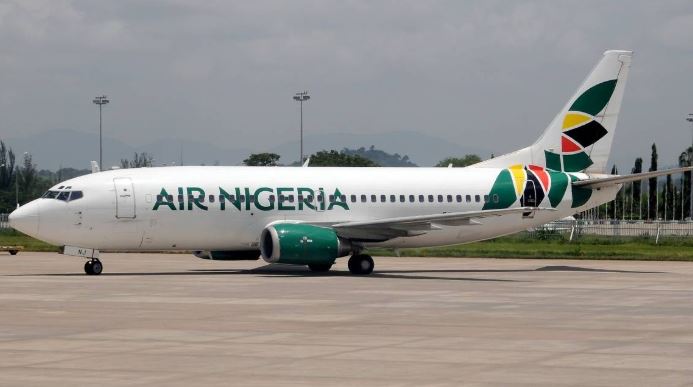
While Nigerian airlines have hinted at the possibility of suspending their flights, other airlines on the continent have chosen to pass on the fuel costs to passengers.
In South Africa, both South African Airways and FlySphere imposed temporary additional fuel surcharges in March.
If the decision to suspend flights is implemented, the challenges of transportation could worsen in a country that already suffers from severe traffic congestion and a weak railway network.
Air travel has emerged in recent years as an increasingly practical option for domestic transportation. The Federal Airports Authority of Nigeria recorded over 10.5 million domestic passengers in 2025.
Currently, some observers view the threat from airlines primarily as a pressure tactic aimed at pushing authorities towards stricter regulation of fuel prices.