Ethiopia votes in June: Crucial elections amid a multi-front crisis
A crucial test for the Prime Minister
Written by Omnia Hassan
The republic is preparing Ethiopia The federal democracy is to contest the general elections scheduled for June 1, 2026 to choose the 547 members of the Ethiopian House of Representatives, in an election that observers consider a crucial test for Prime Minister Abiy Ahmed and the ruling Prosperity Party.
These elections come at a complex political and security moment, where internal challenges intersect with increasing economic and social pressures, making the voting process more than just a partisan competition, but a pivotal moment in the country's trajectory.
Abiy Ahmed faces his toughest political test
Since coming to power in 2018, Abiy Ahmed has led a project to reshape the political system by dismantling the previous ruling coalition and establishing a unified party. However, this path has been accompanied by severe unrest and armed conflicts in several regions, most notably Tigray, Amhara, and Oromia. These developments have weakened stability and affected the image of the reforms he promised, especially with the rise in criticism regarding security, public freedoms, and the standard of living.
Three fronts ablaze
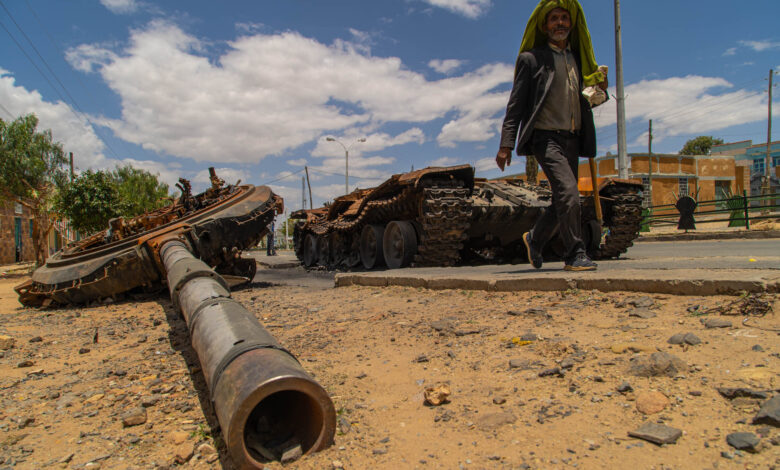
Internal armed conflicts persist despite the official end of the war in Tigray, with divisions within the Tigray People’s Liberation Front and the presence of local armed groups in Amhara and parts of Oromia. This reality threatens the ability of the authorities to ensure a comprehensive and secure vote in all constituencies.
Crisis of legitimacy and trust
Previous elections witnessed boycotts and postponements in a number of regions due to security and logistical conditions, which was reflected in the representation of the previous parliament.
Observers fear that the same trust challenges will be repeated, especially given doubts about the integrity of the electoral process and the possibility of all political components participating effectively.
Economic and social challenges
The elections are taking place against a backdrop of increasing economic pressures, including rising prices, declining job opportunities, and slowing growth. These factors have widened the gap between reformist rhetoric and the daily realities of citizens, which could affect voter turnout and voting patterns.
Post-election prospects
Even if the Prosperity Party succeeds in retaining the majority, the results alone will not be enough to address the roots of the political and security crisis. The real challenge will begin after the results are announced, as the government must build bridges of trust with the regions and open genuine channels of dialogue to avoid a continued spiral of instability.