Hormuz disrupts the global market... 3 African countries are eager to seize the oil opportunity | What's happening?
Widespread anticipation within energy markets
Written by Omnia Hassan
A warning issued by Saudi Aramco regarding the potential loss of 100 million barrels per week if the Strait of Hormuz remains closed has sparked widespread anticipation in the markets. Energy.
As global supplies dwindle and inventories rapidly dwindle, three African oil powers, including Angola, are making moves. Nigeria Algeria is repositioning itself in the market, taking advantage of rising prices and shifting trade routes.
Angola has a higher value despite smaller quantities.
Data from the first quarter of 2026 showed Angola's ability to maximize its revenues despite a decline in export volumes of about 9%, thanks to the average price of Brent crude exceeding $81. The country exported 86.18 million barrels worth $7.16 billion, with a notable expansion in its global buyer base.
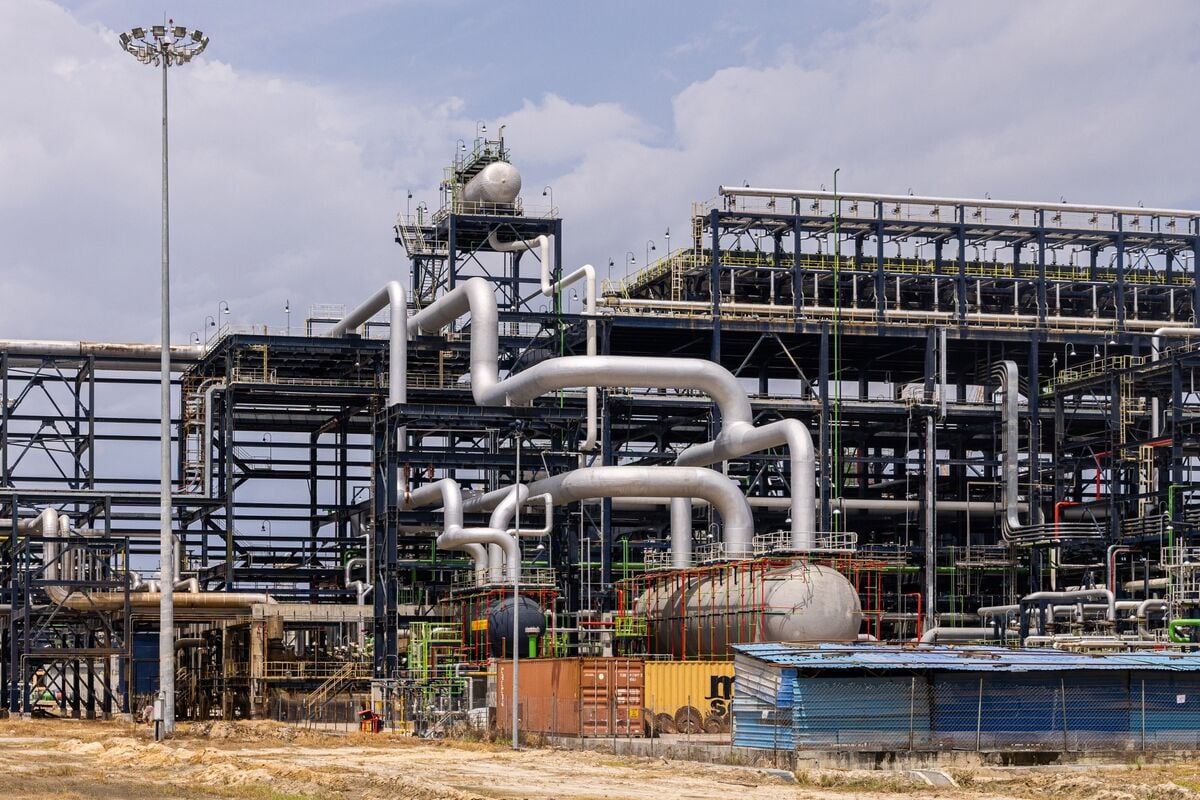
Luanda is working in parallel to boost local refining; the Luanda refinery is being expanded, the Cabinda refinery is preparing to start up, and the Lobito refinery is expected to add significant capacity when completed.
The government aims to attract investments of up to $70 billion by 2027 and raise local content to 20%, thereby enhancing resilience to external shocks.
Nigeria's Great Transformation Led by Dangote Refinery
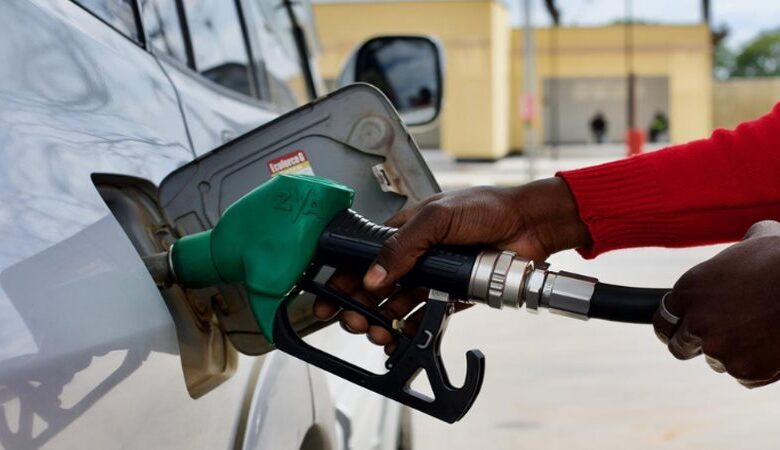
The Dangote refinery is leading Nigeria’s structural transformation, with a capacity of 650,000 barrels per day, turning the country into a net exporter of petroleum products. By March 2026, gasoline production had reached 57 million liters per day, with near-complete coverage of jet fuel domestically and export shipments to Europe and African countries.
Nigerian crude oil has also maintained its appeal in EU and Asian markets, despite declining US imports. This shift reflects the growth of the refining sector and a reduction in historical dependence on imports.
Algeria: Reliable supply and expanded production
Algeria continues to consolidate its reputation as a reliable supplier through a network of refineries overseen by Sonatrach with a capacity of nearly 30 million tons per year, and Algerian crude enjoys strong demand from Ukraine, the European Union and China.
More recently, Algeria boosted its production capacity with a deal to expand the Hassi Bir Rekaiz field, adding more than 31,000 barrels per day, in a move that strengthens its presence during global supply disruptions.
Hormuz Lessons: A New African Energy Security
The disruption to shipping in the Strait of Hormuz has exposed the vulnerability of import-dependent countries, but it has given African producers a strategic opportunity. Expanding refining, diversifying partners, and upgrading ports and infrastructure have become urgent priorities for reshaping the continent’s energy security.
While Hormuz is shaking up the oil market, Angola, Nigeria and Algeria are moving smartly to seize short-term gains and build long-term capabilities. It is a moment of testing and a historic opportunity to reposition Africa on the global energy map.