Rwanda: From the tragedy of genocide to a leading African model of economic development
Multi-stage development plan
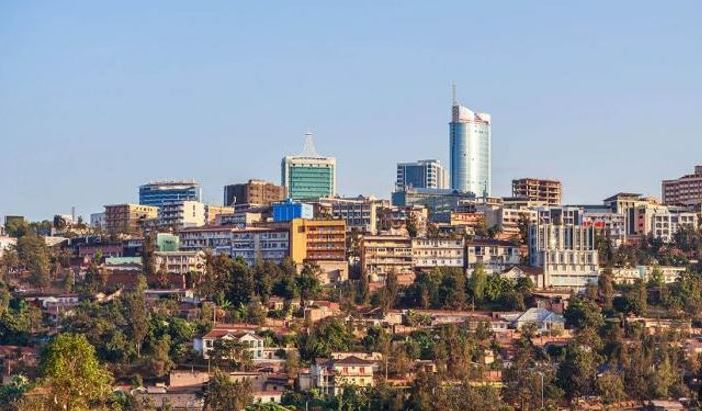
Rwanda is one of the most prominent development experiences in Africa over the past three decades, with a pioneering development model and an average economic growth rate exceeding 7% annually. It has managed to transform from a country devastated by the genocide in 1994 into a rapidly growing economy that attracts the attention of researchers and policymakers around the world.
The war that the country witnessed left more than 800,000 dead in about one hundred days, destroyed the infrastructure and state institutions, and plunged society into a state of deep division. Yet, within a few years, Rwanda was able to begin the path of reconstruction on clear institutional and economic foundations.
From war to development
After the end of the war, Rwanda’s new leadership inherited a country suffering from widespread economic collapse, soaring poverty rates, and a near-total absence of effective state institutions.
In this context, in 2000 the government launched an ambitious strategic plan known as “Vision 2020”, which aimed to rebuild the economy and transform Rwanda into a middle-income country within two decades. This plan was based on specific and measurable goals, most notably raising the level of per capita income, reducing poverty rates, and improving basic services in education, health and infrastructure. Rwanda aims to reach the ranks of upper-middle-income countries by 2035, and high-income countries by 2050.
In implementing this vision, the government adopted a multi-stage development plan. In the short term, policies focused on stabilizing the macroeconomy, reforming the tax system, expanding the investment base, and reducing dependence on foreign aid.
In the intermediate stage, the focus was on developing the services sector, improving road and transport networks, and promoting trade, especially since Rwanda is a landlocked country with no sea access.
While the long-term phase focused on developing the communications, technology, energy and education sectors, with the aim of transforming the country into a regional hub for business and services.
The government also paid great attention to diversifying the economy and reducing dependence on agriculture alone, although this sector remained a major source of income for a large number of the population.
The government has encouraged the development of the tourism, services, and technology sectors, along with launching initiatives to promote local products under the "Made in Rwanda" banner and improve the quality of agricultural and industrial exports. It has also invested in global tourism promotion through international campaigns such as "Visit Rwanda," which have contributed to increased tourist arrivals and investment.
Alongside economic planning, Rwanda relied on important institutional reforms to strengthen governance. The government implemented the principle of administrative decentralization, granting local authorities broader powers to manage development within their regions, and adopted programs to hold officials accountable and monitor the implementation of development plans.
The government also launched a broad anti-corruption campaign through strict legal and administrative reforms, which helped improve the investment environment and boost citizens' confidence in state institutions.
Rwanda's development in numbers
These policies have had a positive impact on the country's development indicators. By 2020, per capita national income had risen from approximately $290 in 2000 to over $800, and poverty rates had declined significantly. The country also witnessed substantial improvements in the health, education, and infrastructure sectors, in addition to the expansion of internet and telecommunications services and the widespread availability of 4G networks.
The country experienced strong economic growth, with GDP growing by 8.21 TP3T during the 2022/2023 fiscal year. The poverty rate fell significantly from 571 TP3T to 451 TP3T between 2006 and 2011. Life expectancy also increased from 46.6 years in 2000 to 65.4 years in 2021.