A growing threat: How is Burundi dealing with the rise in drug use among young people?
Drugs affect social and economic stability
Written by: Mohammed Omran
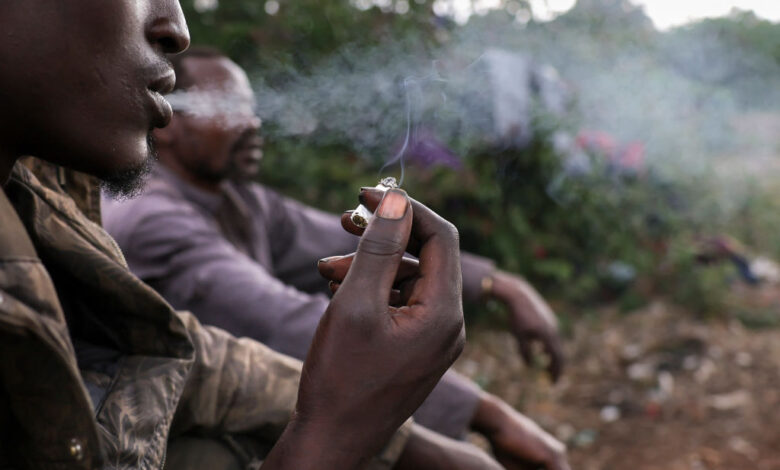
Burundi faces an increasing challenge with rising rates of drug use among young people, in a crisis that is no longer limited to the health aspect, but has extended to affect social and economic stability and the future of an entire generation.
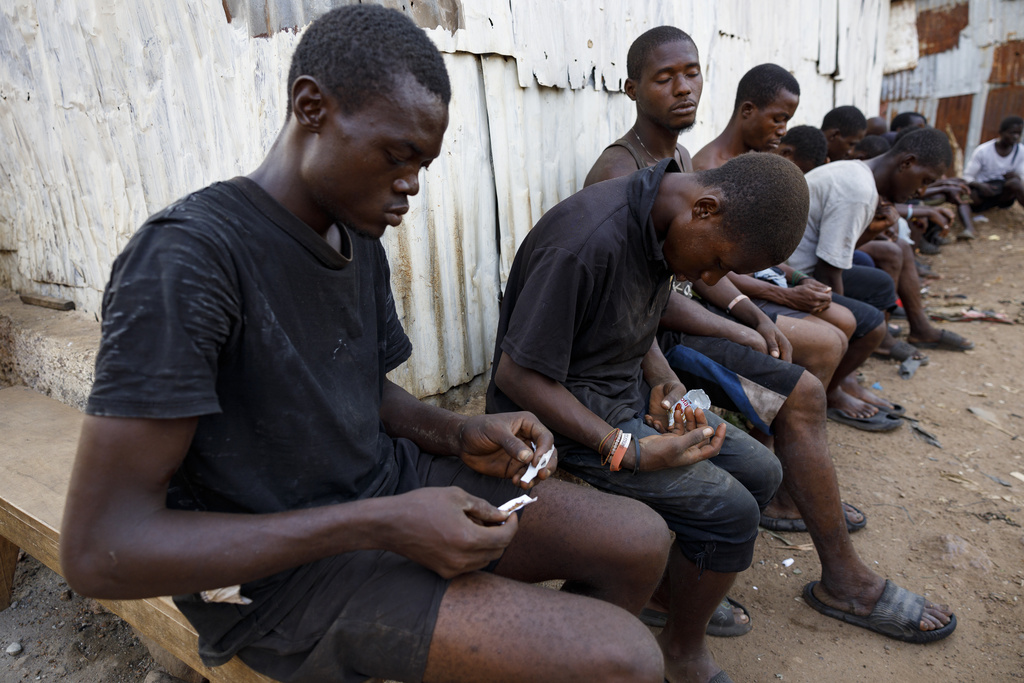
A growing threat: How is Burundi dealing with the rise in drug use among young people?
Coinciding with the International Day Against Drug Abuse, attention is turning to local efforts aimed at containing the phenomenon and reintegrating recovering addicts into society.
In the capital, Bujumbura, the “Strong Bridge” center stands out as one of the most prominent models supporting recovery, having managed, since its opening in 2021, to help hundreds of young people overcome addiction and return to their normal lives.
The center's administrators confirm that more than 900 young people have benefited from its therapeutic and rehabilitation programs, in addition to implementing awareness campaigns within schools to reduce the spread of drugs among students.
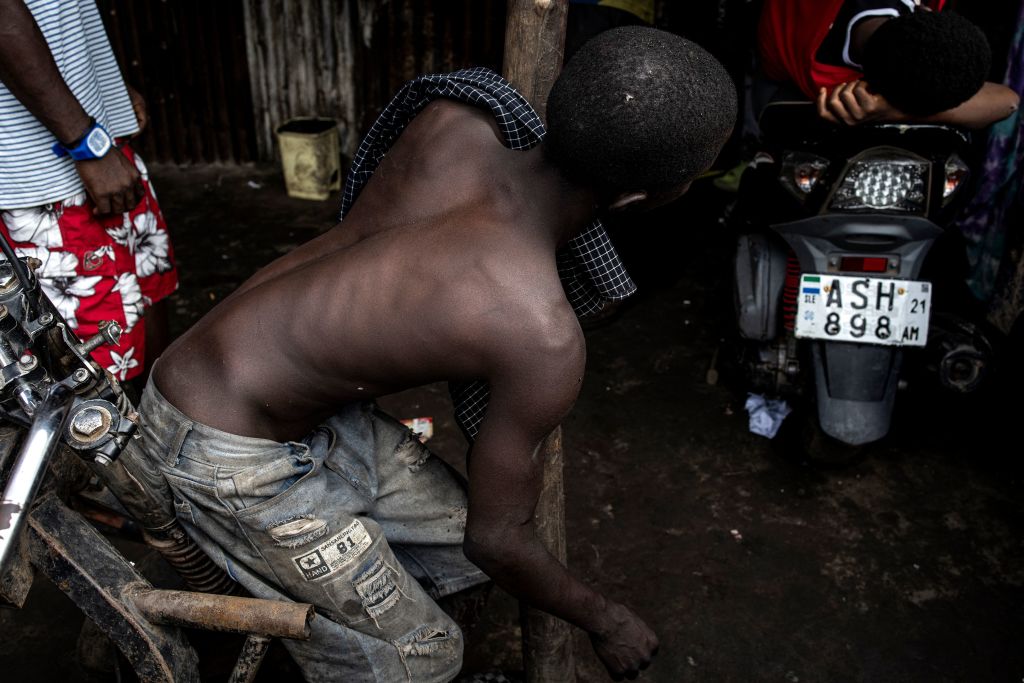
The center's role extends beyond providing treatment; it also focuses on rebuilding the lives of recovering addicts through vocational training and rehabilitation. This is exemplified by one recovering addict who became a computer skills trainer within the center, a step that reflects the importance of giving recovering addicts a new opportunity to reintegrate into society and regain their self-confidence.
In contrast, the testimonies of some of those undergoing treatment reveal the extent of the losses caused by addiction, whether on a personal or family level, as many confirm that they lost years of their lives and opportunities for education, work and stability, before deciding to begin the recovery journey.
Mental health professionals warn that drug abuse not only leads to heart and respiratory diseases or increases the risk of infectious diseases, but also extends to serious mental disorders such as depression, anxiety, schizophrenia and bipolar disorder, making psychotherapy an essential part of the recovery journey.
Despite the efforts made by rehabilitation centers, observers believe that confronting the phenomenon requires a comprehensive national strategy that combines prevention and awareness, expanding treatment services, and enhancing psychological and social support, in order to protect young people and limit the spread of addiction in Burundian society.