A mandatory motorcycle registration decision in Mali sparks controversy among citizens and professionals.
Authorities launch national campaign to boost security and regulate the sector
Written by Mohamed Ragab
Financial authorities have begun implementing a mandatory registration process for motorcycles and tricycles across the country, as part of measures the government says are aimed at enhancing security and improving oversight of the widely used means of transport in cities and rural areas.
The Ministry of Transport and Infrastructure announced the launch of the operation starting in mid-June, after noticing the presence of large numbers of bicycles operating without official registration plates, which limits the ability of the authorities to track them or verify their ownership.
Dozens of centers have been designated to receive registration applications in various regions of the country.
Security motives in light of current challenges
This move comes at a time when Mali is facing escalating security challenges linked to the activity of armed groups in a number of regions.
The authorities believe that regulating and registering motorcycles contributes to strengthening security control and reducing their use in illegal activities.
The government had recently taken other measures, including restricting the use of some large-motorized bicycles outside major urban centers, as part of its efforts to counter security threats and improve control over mobility in the country.
Concerns about financial and administrative burdens
Despite the authorities' insistence that the operation is necessary to enhance security and public safety, the new measures have raised concerns among a number of citizens, civil society representatives, and professionals working in the transport sector.
Some motorcyclists fear that registration fees and administrative requirements will represent an additional burden on low-income families, especially in rural areas that rely heavily on motorcycles as a primary means of transportation and the transport of goods and services.
Some also expressed concern about the difficulty of completing the required documentation for older bicycles or those purchased years ago without retaining the original ownership documents.
Motorcycles are a vital artery of the local economy
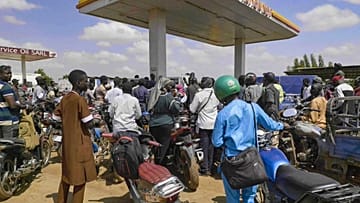
Motorcycles occupy a central place in daily life in Mali, where they are used for personal, commercial and agricultural transport, and are a key means of connecting remote villages to markets, health and educational services.
Between security and development
While the authorities assert that registering motorcycles will contribute to enhancing security and improving the management of the transport sector, stakeholders are demanding that the economic conditions of citizens be taken into account and that facilities be provided to help them comply with the new procedures.
Many observers agree that the success of the initiative will not be measured solely by the number of registered motorcycles, but rather by its ability to achieve its security objectives without affecting the livelihoods and transportation upon which millions of Malians depend in their daily lives.