Paul Kagame: The man who rebuilt Rwanda from the ashes of genocide | What do we know about him?
The rise of one of the most influential figures in modern Africa
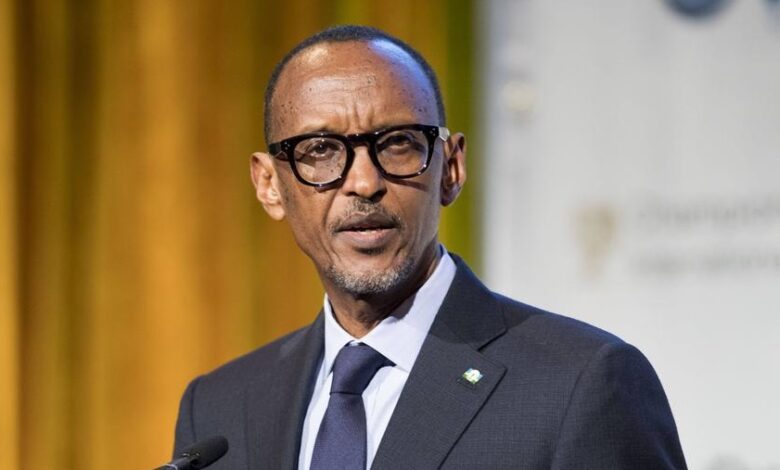
Paul Kagame, the current President of the Republic of Rwanda, is one of the most prominent political leaders in Africa from the end of the twentieth century to the present day.
Kagame was born on October 23, 1957, in the Tambwe region of southern Rwanda, to a family belonging to the Tutsi ethnic group who lived in exile in Uganda after the rise of ethnic conflicts in Rwanda during the 1930s.
Origins and military career
Kagame grew up in Uganda, where he joined the armed forces in the 1970s and 1980s and participated in the Ugandan civil war that brought Yoweri Museveni to power in 1986. His military expertise developed rapidly, particularly in intelligence and special operations, which earned him a leadership position within the Tutsi-led Rwandan Patriotic Movement (RPF).
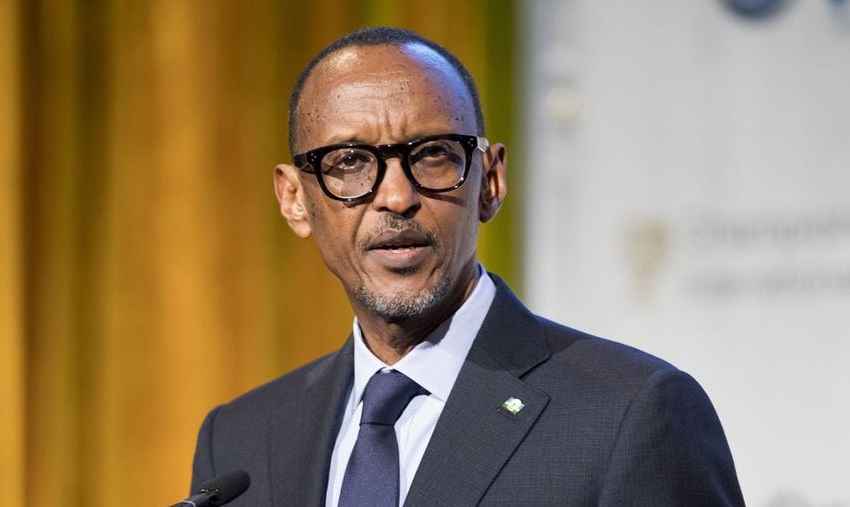
In 1990, Kagame returned to Rwanda as part of a national liberation movement against the Hutu-dominated Rwandan government. This move marked the beginning of a deep civil war. However, the most influential historical event in Kagame's career was the 1994 Rwandan genocide, in which between half a million and eight hundred thousand people were killed, most of them Tutsis and also moderate Hutus.
Kagame led the RPF forces to regain control of the country and stop the genocide, bringing to a complete end one of the darkest chapters in modern African history.
From military commander to president
After the genocide ended, Kagame served as Vice President and Minister of Defense in the transitional government under Pasteur Bizimungu. In 2000, Kagame became President of Rwanda after the resignation of President Bizimungu, and has since remained in power through a series of elections which he won by large margins.
Constitutional amendments and re-elections
In 2015, a constitutional amendment allowed Kagame to run for a third term. He was re-elected in 2017, and then in subsequent elections following organizational changes to the political system. These amendments sparked widespread controversy among international observers regarding the genuine commitment to the spirit of political pluralism.
Domestic policies and economic development
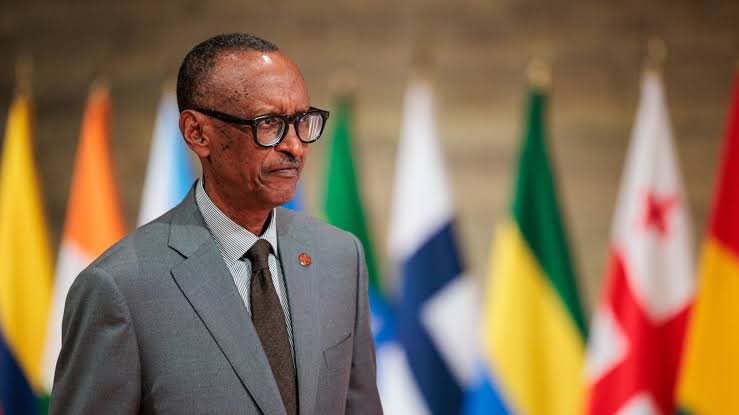
Kagame’s era has focused on economic development and national stability, with the government achieving relatively high rates of economic growth, improving infrastructure, expanding health and education services and facilitating business. Rwanda has also gained an international reputation as one of the cleanest countries in Africa, with the development of tourism and technological infrastructure.
It is worth noting that Kagame is working to promote national unity and avoid ethnic divisions in the country, which has made him a symbol of stability after the tragic chaos of the 1990s.
International relations and regional role
On the international stage, Kagame enjoys strong relations with many Western and regional countries, and is seen in some circles as a leader capable of attracting investments and developing international cooperation. He has also contributed effectively to peace and stability initiatives in the Great Lakes region of Africa.