Fears that cuts to US funding for AIDS relief in South Africa could lead to a setback
The country is the most affected by HIV
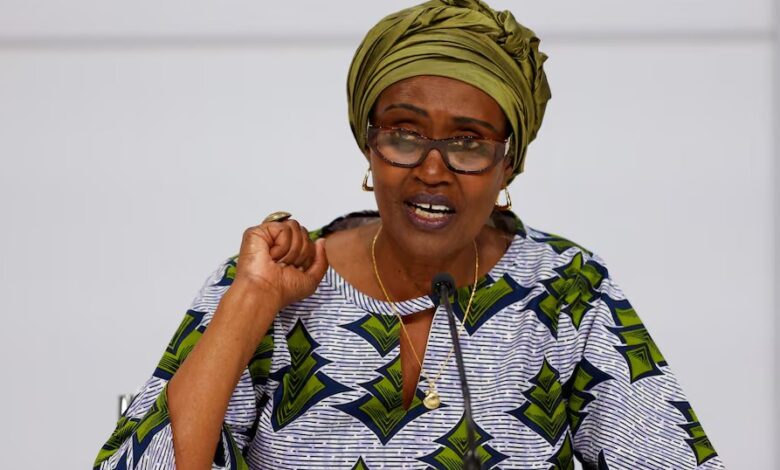
The head of the program expressed United Nations The joint HIV/AIDS representative, Winnie Byanyima, expressed her deep concern over US plans to cut funding for AIDS control programs in South Africa, calling on Washington to reconsider the decision, given the potentially serious repercussions for the lives of millions.
During a press conference held at the United Nations headquarters, Byanyima warned that withdrawing this support could deprive the most vulnerable groups of vital treatment services, stressing that such a move could cause human losses, especially in a country that is the most affected by HIV globally.
South Africa is able to fund its health programs.
For its part, the US State Department explained that the decision comes as part of a “phased withdrawal” plan from the President’s Emergency Plan for AIDS Relief (PEPFAR) program, noting that the program was not designed to be permanent, and that South Africa, as a middle-income country, is able to independently fund its health programs.
The US decision may be linked to political factors.
However, media reports indicated that the US decision may be linked to political factors, including disagreements over South Africa’s domestic policies and international relations.
It is worth noting that the American program was pumping more than $400 million annually to support AIDS control efforts in South Africa, in addition to funding the salaries of about 15,000 health sector workers, which represents about 17% of the total funding for virus control programs in the country.
8 million infected
Byanyima stressed that South Africa has about 8 million people infected with the virus, the highest number globally, noting that reducing international funding in general could undermine decades of progress in combating the disease.
She pointed to worrying indicators that have already begun to appear, including a decline in virus detection tests by 22%, and a decrease in the distribution of protective equipment by up to 90% in certain areas, which portends a return to the spread of infection.
In this context, she stressed the importance of maintaining international funding, or at least ensuring a gradual and well-considered transition, to avoid any setbacks that could derail the global goal of eliminating AIDS as a public health threat by 2030.
Byanyima concluded her remarks with a clear message: “Withdrawing funding means taking lives… and we must not allow that to happen.”.