Senegal and Germany: A new strategic partnership to support development and Vision 2050
Strengthening economic and investment cooperation
Written by Omnia Hassan
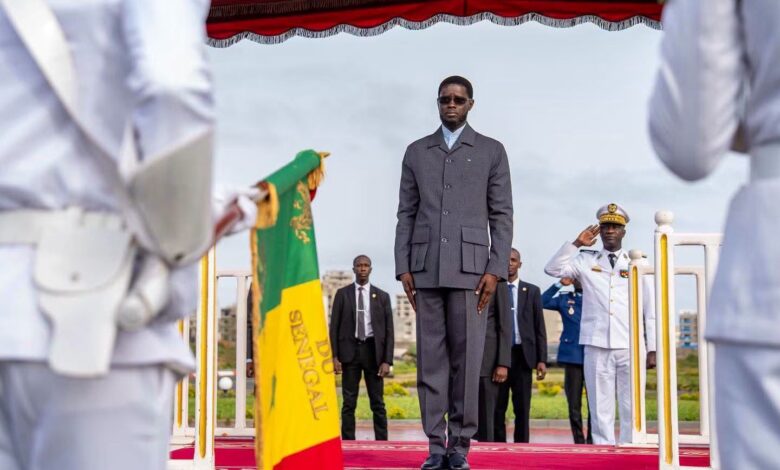
Senegal's President, Bassirou Diomêne Faye, left the capital Dakar on Sunday for an official visit to Germany from June 21 to 23, a move that reflects the two countries' keenness to expand economic and investment cooperation and strengthen their strategic partnership.
This visit comes at a time when Senegal is seeking to accelerate the pace of economic development and attract more foreign investment, taking advantage of its growing status as one of the most prominent emerging economies in West Africa.
Strengthening economic and investment cooperation
The upcoming talks between the two sides will focus on strengthening bilateral relations in a number of vital sectors, most notably investment, economic cooperation, energy transfer, and technology transfer, which are key pillars in Senegal’s strategy to achieve sustainable and inclusive growth.
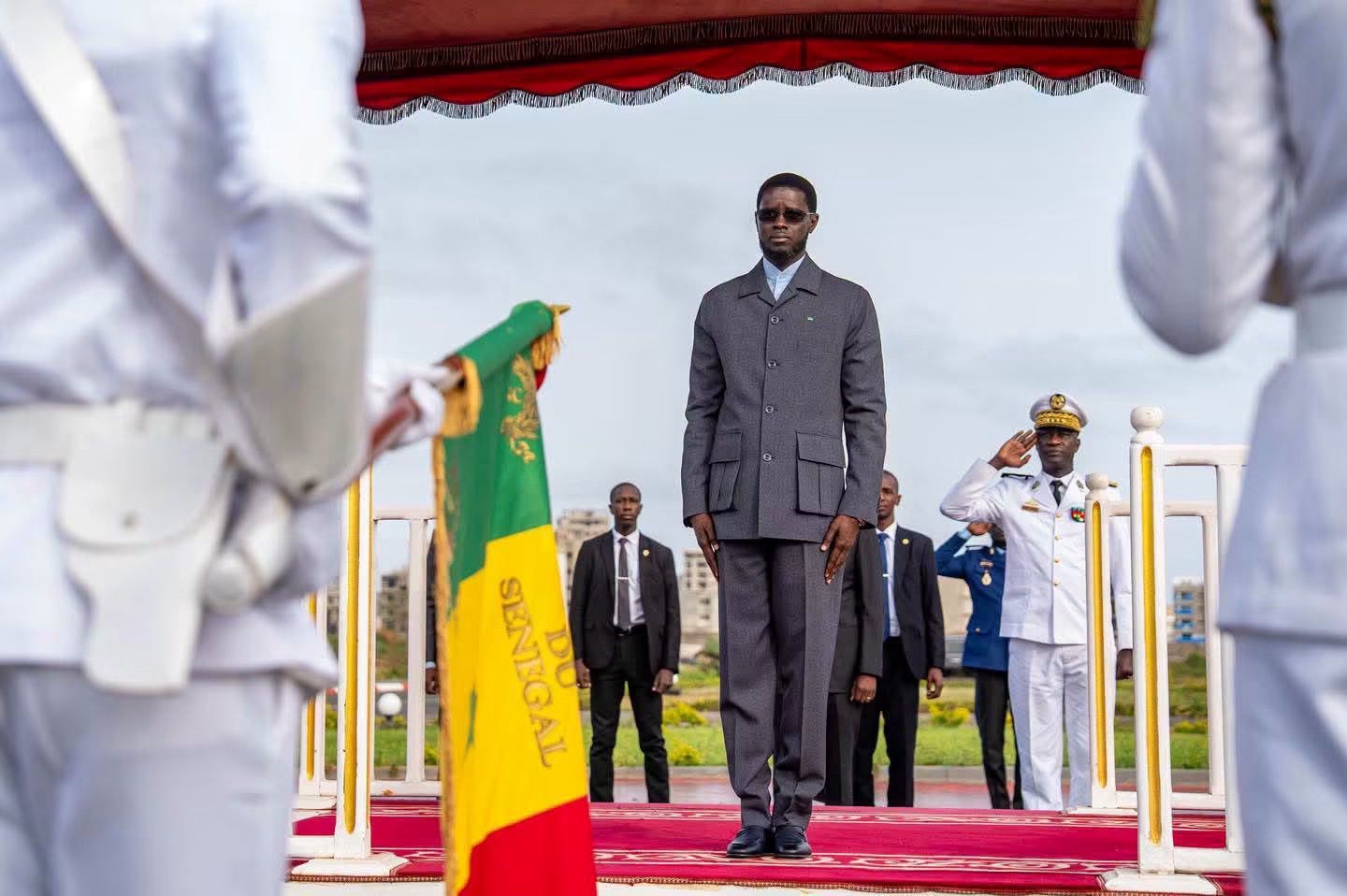
Germany is one of Senegal’s most prominent European partners, having contributed over the years to supporting many development projects, infrastructure and renewable energy programs, in addition to providing technical and technological expertise that helps to raise the efficiency of the productive sectors.
Energy and technology are top priorities
Clean energy and digital transformation files are receiving special attention during the visit, as the Senegalese government seeks to diversify energy sources and promote reliance on sustainable solutions.
Dakar also looks forward to benefiting from advanced German expertise in the fields of technology, industry and innovation, which will contribute to creating new job opportunities and improving the competitiveness of the national economy.
Senegal Vision 2050
This visit is part of the Senegalese president’s efforts to activate new growth engines that support economic sovereignty and sustainable development, in line with the goals of “Senegal Vision 2050”, the ambitious national plan that aims to transform the country into a regional economic hub based on manufacturing, innovation and investment in human capital.
Observers believe that the visit represents an important milestone in the course of Senegalese-German relations, and may open the door to new agreements and partnerships that support Dakar’s development ambitions and enhance its economic presence on the African and international stage.