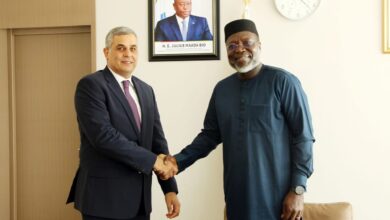
New impetus for Egyptian-Djiboutian economic cooperation: A meeting to strengthen partnerships and investment opportunities.
An official reception reflects the strength of bilateral relations.
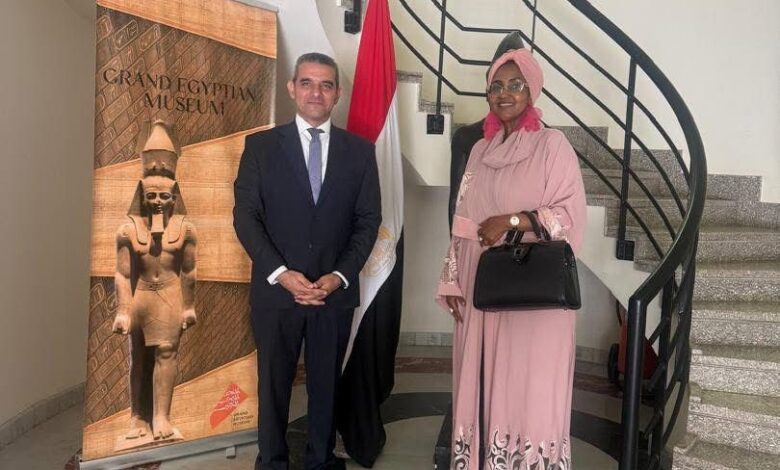
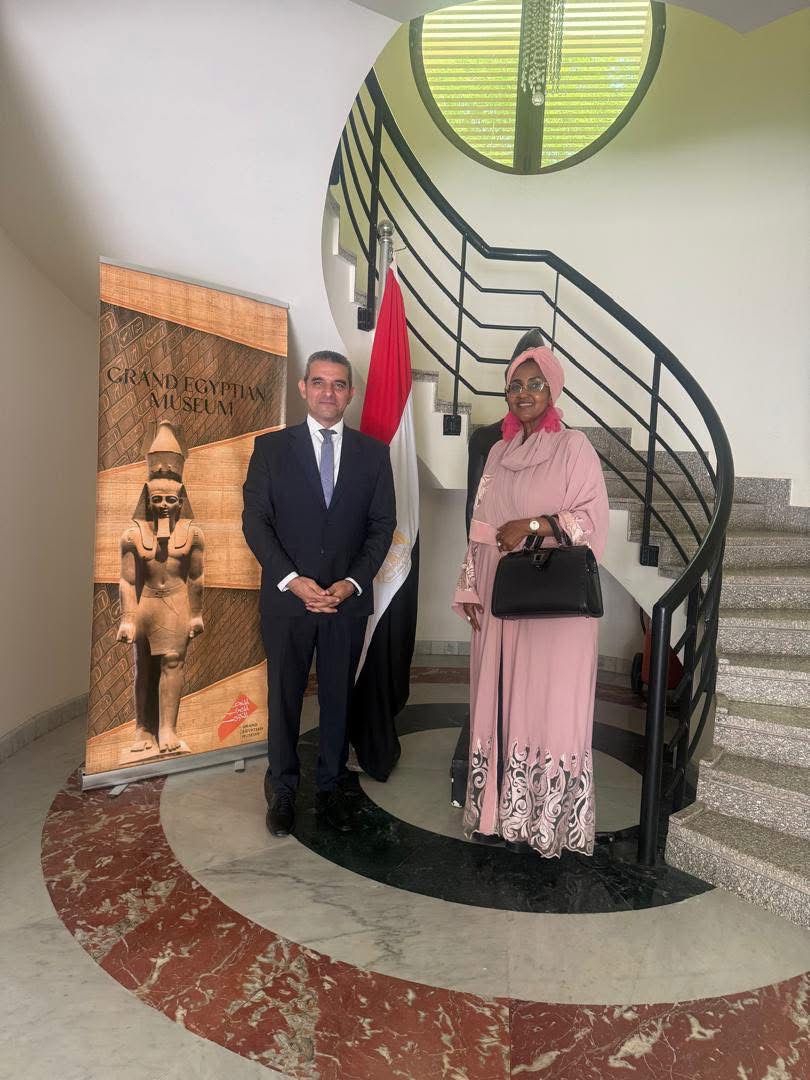
Abdel Rahman Raafat, the Egyptian Ambassador to Djibouti, received at the Egyptian Embassy in Djibouti, «Hibo Basha», President of the Djiboutian Businesswomen Association and Vice President of the Djiboutian side of the Egyptian-Djiboutian Joint Business Council, as part of ongoing efforts to strengthen economic and trade relations between the two countries.
The meeting came to confirm the depth of the ties between Cairo and Djibouti, and the keenness of both sides to develop areas of joint cooperation, especially in the investment, trade and services sectors.
Growing economic partnerships and a role for the private sector
During the meeting, «Hippo Pasha» reviewed its most prominent economic activities, stressing that it has a wide network of relationships with Egyptian institutions and businessmen, in addition to its role as a representative and exclusive agent in the Djiboutian market for a number of major Egyptian companies.
Among these companies are Ceramica Cleopatra, Elsewedy Electric, and Granada, which reflects the growing presence of Egyptian products in African markets and enhances their competitiveness in a continuously expanding business environment.
She also pointed out that this cooperation contributes to opening new horizons for joint investment, and enhances the role of the private sector in supporting economic relations between the two countries.
Enhancing tourism exchange between the two countries
The meeting also addressed the prominent role played by «Hibo Basha» in supporting and revitalizing Djiboutian tourism to Egypt, through her management of one of the largest private tourism companies in Djibouti.
The company works to organize integrated tourism programs for Djiboutian citizens to various Egyptian tourist destinations, which contributes to enhancing tourism and cultural exchange, and increasing popular rapprochement between the two brotherly peoples.
Continued support for expanding market access
At the conclusion of the meeting, Ambassador Abdel Rahman Raafat affirmed the embassy’s commitment to supporting efforts to facilitate the entry of Egyptian products into the Djiboutian market, in line with the increasing demand for them, stressing the importance of continued coordination and cooperation during the next phase.
Both sides also renewed their commitment to driving economic and trade relations towards further growth, in a way that serves common interests and strengthens the strategic partnership between Egypt and Djibouti.
The Djiboutian Businesswomen Association is one of the active professional entities in supporting and empowering women in the economic field, as it contributes to enhancing women’s participation in commercial and investment activities in Djibouti.