Kenya is investing 8.5 billion shillings to transform counties into industrial hubs.
Kenya is banking on local manufacturing through an 8.5 billion shilling development project.
Written by: Badr Ahmed
Kenyan President William Ruto affirmed that his government's investment of 8.5 billion Kenyan shillings in developing county industrial and assembly parks (CAIPs) represents a strategic step to transform the counties into vital centers for manufacturing, innovation, job creation, and driving the country's economic transformation.
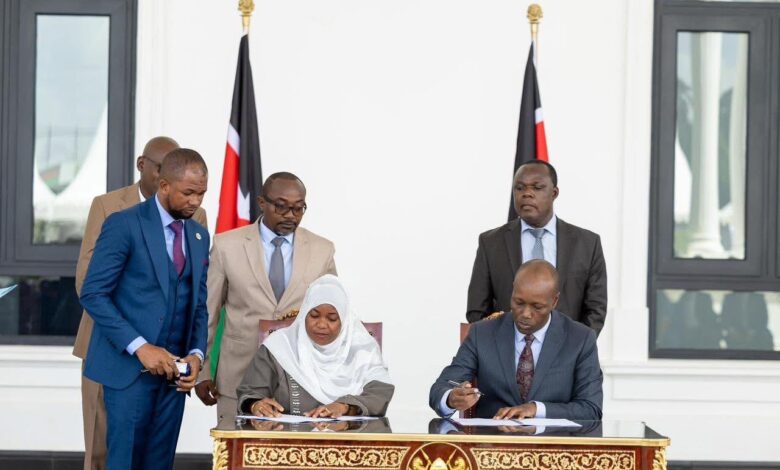
Ruto explained, in remarks following the signing ceremony of joint government agreements in the capital Nairobi, that the project embodies a model of close cooperation between the national government and the provincial governments, where 500 million Kenyan shillings were jointly invested in each of the 34 provinces participating in the program, with the aim of laying the foundations for local industrial growth capable of promoting economic development at the grassroots level.
Kenya is banking on local manufacturing through an 8.5 billion shilling development project.
The Kenyan president noted that these investments will directly contribute to enabling farmers to access better markets, supporting the local manufacturing sector, and enhancing the capabilities of small and medium enterprises, which will reflect positively on wealth creation and improved living standards within the various counties.
He added that the government has also allocated about 2.4 billion Kenyan shillings to establish shared service facilities within the Industrial and Assembly Parks Programme, at an average of 150 million shillings per facility, with the aim of supporting value-added projects that are in line with the economic and productive priorities of each county.
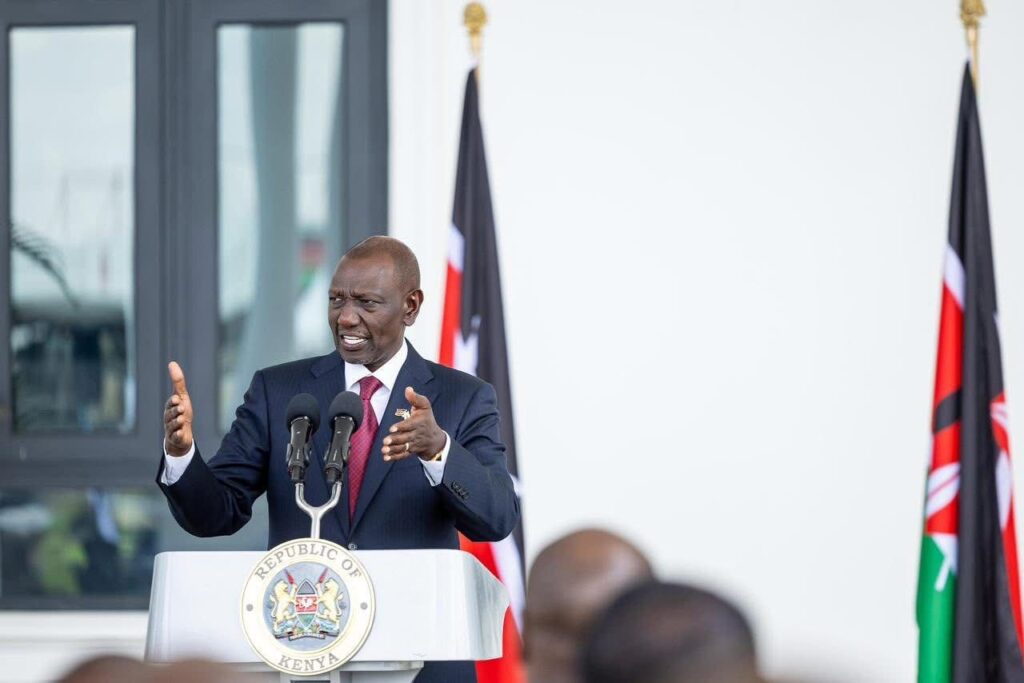
President Ruto witnessed the signing of 16 partnership agreements between the national government and provincial governments, relating to the establishment and development of industrial and assembly parks, during an official ceremony held at State House in the capital, Nairobi.
The CAIPs program is seen as one of the most prominent development projects that the Kenyan government is relying on to promote local manufacturing and reduce dependence on raw material exports, by supporting industries based on agricultural products and local resources, in addition to providing new job opportunities for young people and stimulating investments within the regions.

Through these projects, Kenya seeks to achieve more inclusive and sustainable economic development by transferring industrial activity to different provinces, thereby contributing to reducing the development gap between regions and enhancing the contribution of the local economy to supporting national growth.