«"The child is a leader" – a Rwandan proverb that embodies the country's vision for building future leaders.
A community philosophy that places children at the heart of the development process
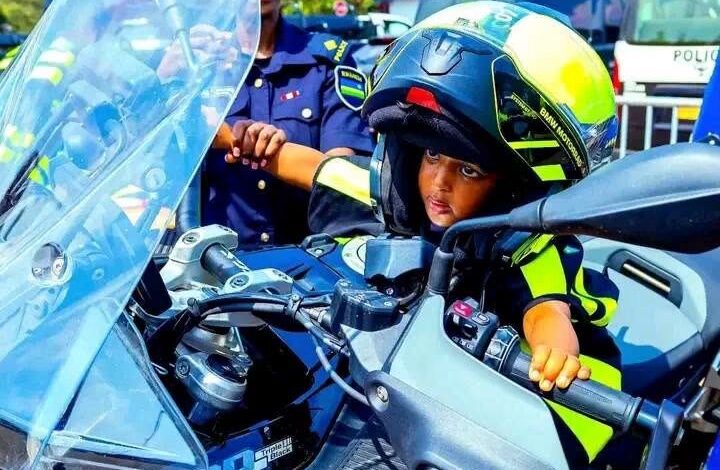
Written by: Mohammed Omran
The famous Rwandan proverb «Umwana n’umutware», which means «the child is a leader», highlights a deeply rooted social philosophy in Rwanda that considers children to be the core of the future and the makers of change in society.
A community philosophy that places children at the heart of the development process
The proverb reflects a profound view of the role of the child, as it affirms that every child has the ability to contribute to guiding and developing society, and that investing in education, upbringing, and instilling moral values represents a direct investment in preparing a new generation of leaders, decision-makers, and innovators.

«"The child is a leader" – a Rwandan proverb that embodies the country's vision of building future leaders.
The importance of this vision is highlighted in Rwanda, which has witnessed in recent years a process of reconstruction and development based on strengthening national unity and involving young people in various fields of development.
Young people have played an increasing role in the technology, entrepreneurship, community engagement and peacebuilding sectors, which has strengthened their position as key partners in the development process.
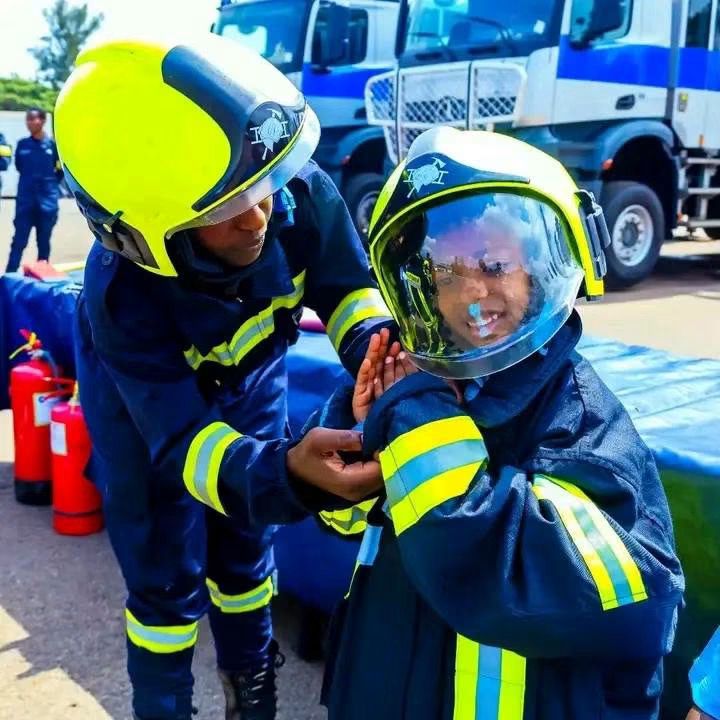
The Rwandan proverb calls on parents, teachers, and decision-makers to treat children as future leaders by listening to their opinions, guiding them positively, and giving them appropriate opportunities to acquire leadership skills at an early age within schools, homes, and local communities.
The proverb also emphasizes that leadership is not a skill that is linked to a certain age, but rather an ongoing process built on trust, training, and good role models, which requires providing a supportive environment that helps children develop their abilities and gradually assume responsibility.
The proverb also emphasizes the importance of protecting children’s rights, developing their talents, and promoting the values of integrity, hard work, and community service, as these are the fundamental pillars for preparing generations capable of leading the future.
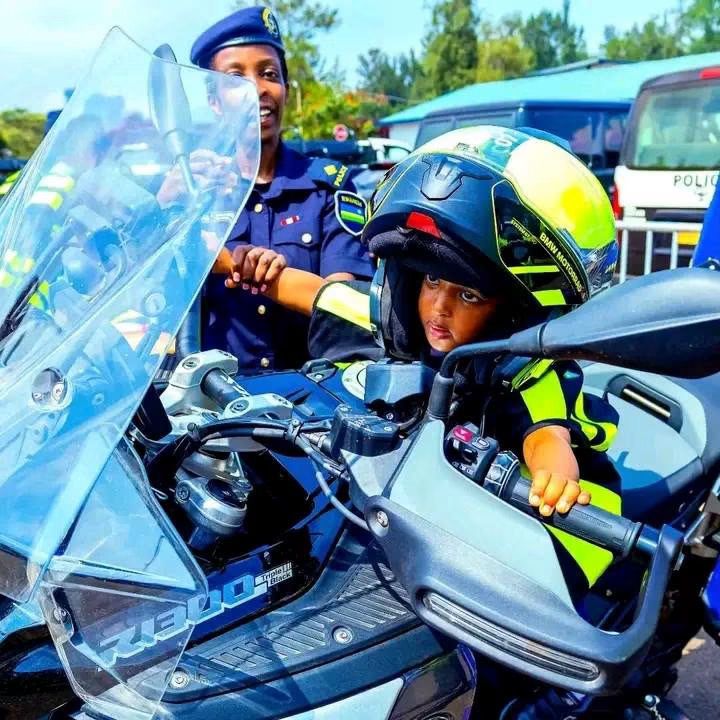
Those interested in educational affairs believe that this philosophy has contributed to supporting development efforts in Rwanda, by establishing a culture of participation and responsibility among new generations, and preparing young people who are more capable of contributing to achieving development and stability.
The proverb concludes its message by emphasizing that every child carries within him the potential to be a future leader, and that the responsibility of society lies in providing the necessary education, care, and guidance to transform these potentials into a tangible reality that serves the nation and society.