Nigeria's annual Democracy Day: A commemoration of the people's sacrifices for freedom
Ahmed Salem:
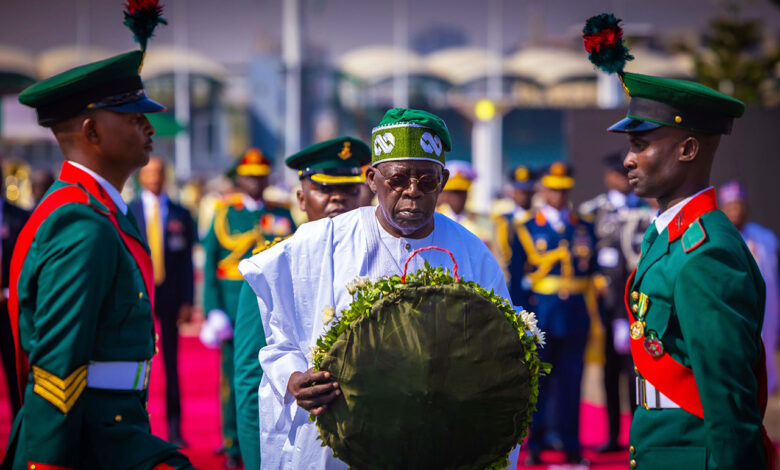
On this day every year, Nigeria celebrates «Democracy Day,» a major national occasion that embodies the return of civilian rule after decades of military regimes that marked the country’s political history.
This celebration comes as a living reminder of the value of popular will, and the beginning of a new phase of institutional stability and state-building.
The Nigerian Federal Government declared Friday, June 12, 2026, a national holiday to mark Democracy Day, as announced by the Minister of the Interior, Dr. Olubunmi Tunji-Ojo, on behalf of the Federal Government.
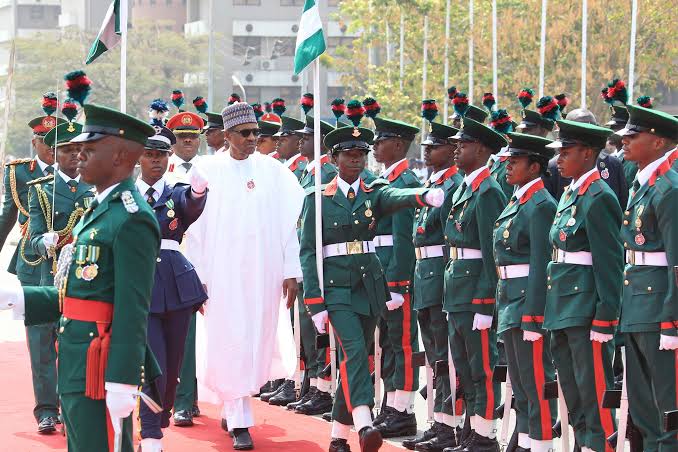
June 12th is a significant day in Nigerian history, honoring the courage, resilience, and sacrifices of the Nigerian people whose efforts contributed to establishing democratic governance in the country. Their legacy continues to serve as a fundamental reference point for the values and responsibilities of the Nigerian state.
The minister affirmed the federal government's commitment to upholding democratic ideals, including the rule of law, transparency, accountability, and inclusive governance. The government pledged to adhere to these principles without compromise.
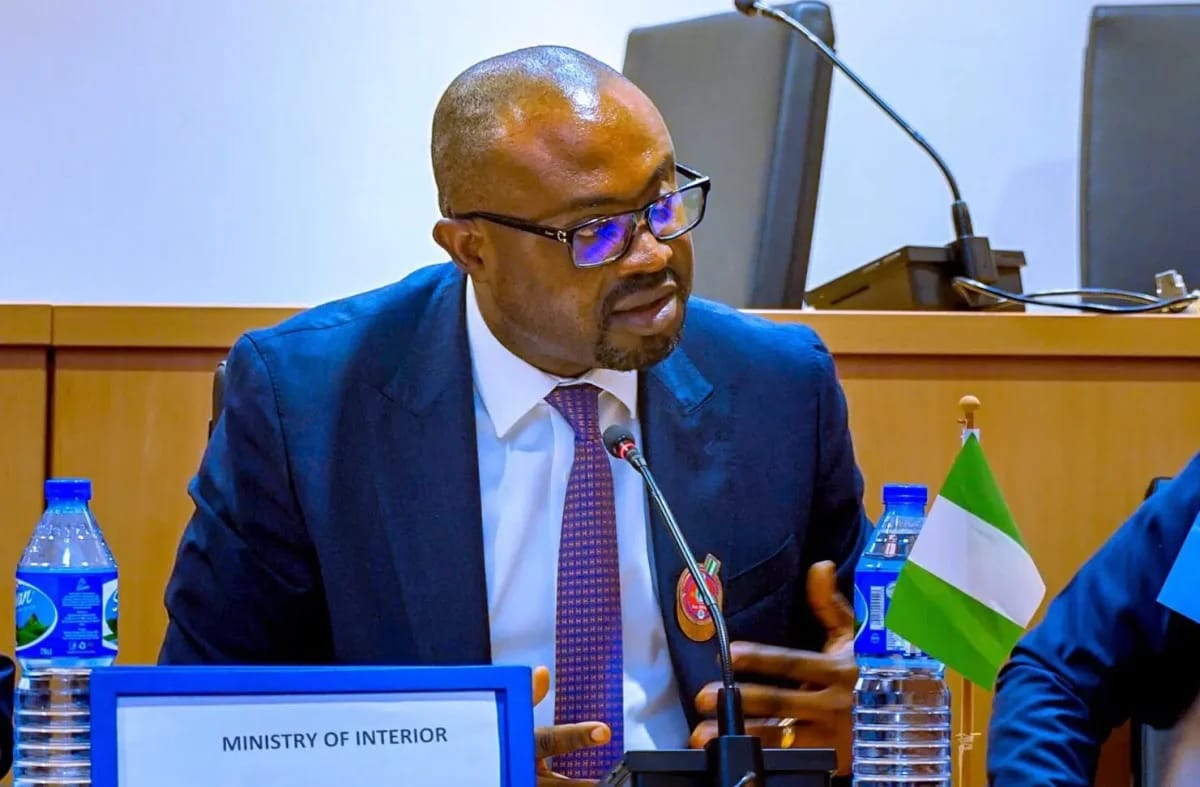
The Ministry of Interior, in coordination with the relevant security agencies, will continue to strengthen internal security measures to protect lives and property throughout the country. The Minister noted that providing a safe and stable environment is essential for the integrity of any democracy and for the success of the national development project.
The minister also called on all Nigerians to use this occasion as an opportunity for civic reflection, and urged citizens to renew their commitment to the rule of law, responsible participation, and national unity.
The minister said: “As we celebrate this historic day, we encourage every Nigerian to abide by the law, support the institutions that underpin our democracy, and remember that the strength of any democracy lies at its core in the morals of its citizens.”.
This holiday commemorates May 29, 1999, when Olusegun Obasanjo took office as president of the country, in a historic moment that ended years of military rule that began in 1966 and was interrupted only by a short democratic period between 1979 and 1983.
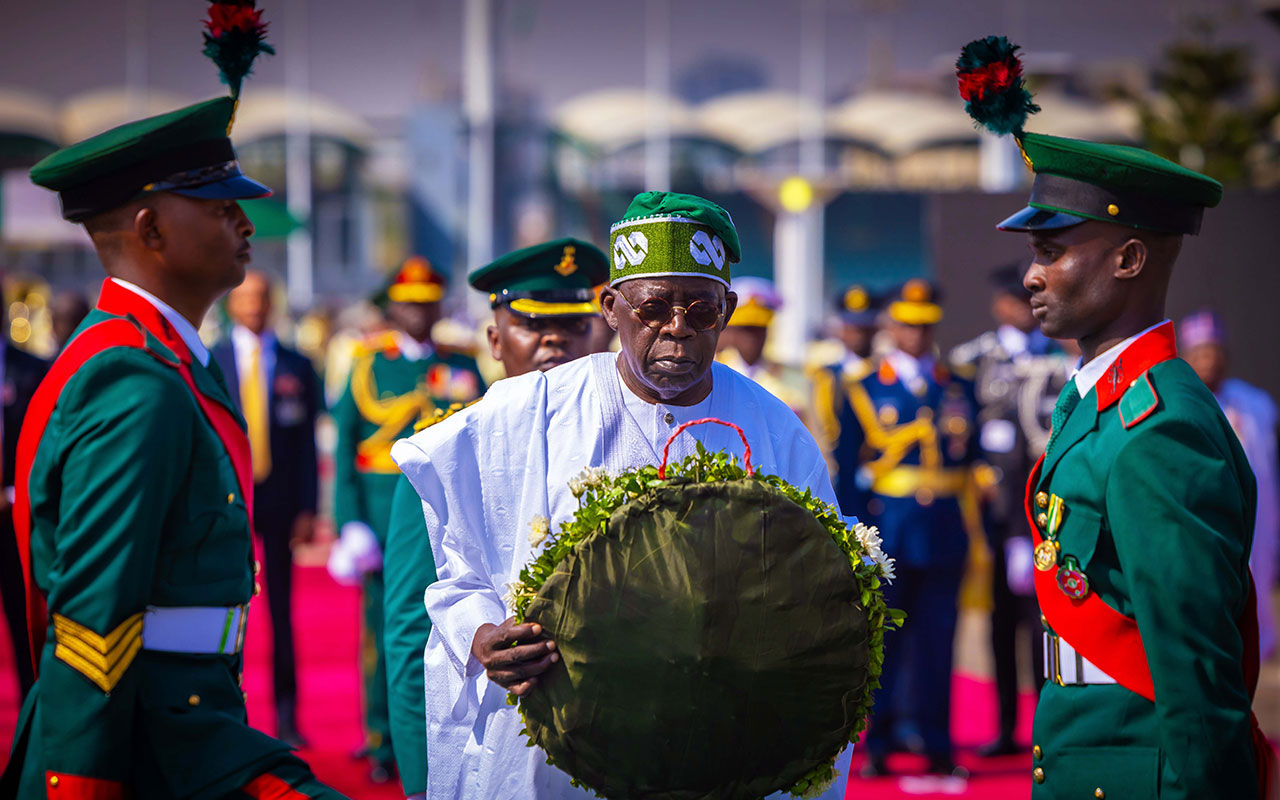
This transition represented a significant turning point in Nigeria’s political trajectory, ushering in a new era of political pluralism and the peaceful transfer of power.
Over the years, Democracy Day has become an opportunity to celebrate political achievements and review the challenges facing the democratic experiment in the country, especially in light of the ethnic and religious diversity that characterizes Nigerian society.
This day also witnesses the organization of official and popular events, ranging from national speeches, marches, and cultural activities that highlight the spirit of national unity.
Despite the progress Nigeria has made in consolidating democracy, challenges remain regarding governance, corruption, and security, making this occasion also a point of emphasis on the need to enhance transparency, expand political participation, and achieve inclusive development.
Nigeria's Democracy Day remains more than just a historical memory; it is a living embodiment of a people's journey towards freedom, and a continuous call to preserve and develop the gains of democracy.