9,000 victims annually... Sickle cell anemia threatens the future of Ugandan children
Why does sickle cell anemia claim the lives of thousands of children in Uganda?
Written by: Mohammed Omran
While the world is witnessing rapid progress in combating many diseases, sickle cell anemia continues to claim thousands of lives. children In Uganda every year, it remains one of the most serious health challenges facing the country. While about 20,000 children are born with the disease annually, it is estimated that between 6,000 and 9,000 of them lose their lives before reaching the age of five, in figures that reflect the scale of the humanitarian and health crisis that requires an urgent response.
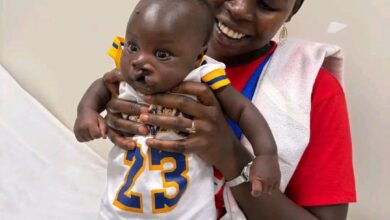
9,000 children are victims of sickle cell anemia annually in Uganda.
With Uganda ranking fifth globally in the number of people affected by the disease, concerns are growing about its continued spread, given the high rates of carriers of the genetic trait, particularly in certain regions with high infection rates. In response, health authorities are intensifying their efforts through early detection programs and community awareness campaigns, hoping to reduce deaths and save thousands of children from a disease whose serious consequences can be prevented through early diagnosis and intervention.

The Ugandan Ministry of Health revealed that up to 9,000 children born with sickle cell anemia lose their lives each year, while Uganda ranks fifth globally in terms of the number of people affected by this chronic genetic disease.
Why does sickle cell anemia claim the lives of thousands of children in Uganda?
According to an official report issued by the ministry, about 20,000 children are born annually in Uganda with sickle cell anemia, while the number of deaths ranges between 6,000 and 9,000 children before they reach the age of five, making the disease one of the leading causes of child mortality in the country.

The Director General of Health Services at the Ministry of Health, Dr. Charles Olaru, explained that the disease represents a significant health, social and economic burden on Uganda, noting that sickle cell anemia contributes to approximately 161,000 deaths of children under the age of five.
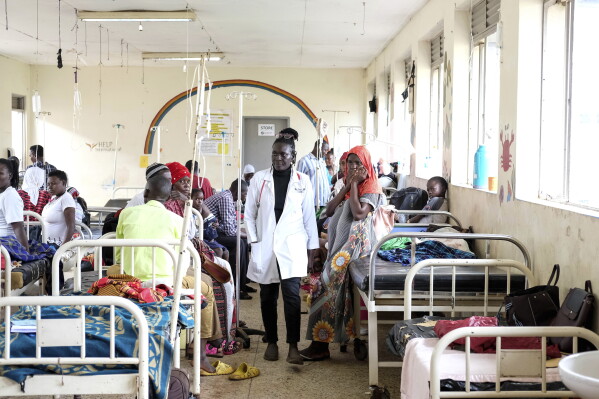
Thousands of children lose their lives annually due to sickle cell disease.
The widespread prevalence of the disease is due to the high percentage of carriers of the gene responsible for it among the population. Official data indicates that 13 out of every 100 Ugandans carry the sickle cell anemia gene, while the percentage rises to about 20% in some areas, especially in the east and north of the country.

The Acholi and Lango regions, along with parts of central and southwestern Uganda, are among the areas most affected by the disease, prompting health authorities to intensify their efforts to limit its spread and reduce associated mortality rates.
In response to this crisis, the Ugandan Ministry of Health began implementing newborn screening programs for early detection of the disease, along with expanding awareness campaigns and encouraging citizens to undergo genetic testing before marriage and childbirth.

Health experts emphasize that early detection and regular medical follow-up can greatly improve the chances of survival for affected children and reduce serious health complications associated with the disease.
Dr. Olaru stressed the importance of prospective couples knowing their genetic status before having children, considering this step to be one of the most effective means of reducing the transmission of the disease to future generations.

Through these measures, the Ugandan government seeks to reduce infection and mortality rates and improve the quality of life for those affected, at a time when calls are increasing to boost investments in healthcare and research related to genetic diseases, especially sickle cell anemia, which still poses a major challenge to the future of public health in Uganda.