From coup to change: How did May 17th redraw the future of Congo?
Congo commemorates the most significant political transformation in its modern history
Written by: Badr Ahmed
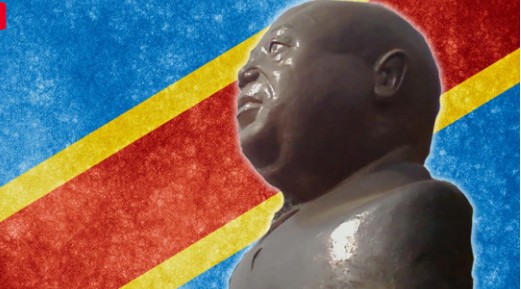
Liberation Day is an official national holiday in the Republic of Congo Democracy, and it is celebrated on May 17 of each year, commemorating the great political transformation that the country witnessed in 1997, when Laurent-Désiré Kabila came to power following the end of the First Congolese War and the fall of the Mobutu Sese Seko regime.
Congo commemorates the most significant political transformation in its modern history
This day dates back to a series of complex political and military events that began in the 1960s, when the country, then known as Zaire, experienced a military coup led by the army chief of staff, Joseph-Désiré Mobutu, in 1965.
Mobutu established an authoritarian regime that lasted for decades, characterized by one-man rule and restrictions on political life.
During the Cold War, Mobutu's regime enjoyed support from the United States, as part of its anti-communist stance.
However, this support began to decline with the collapse of the Soviet Union in the early 1990s, which led to a change in the international balance of power surrounding the country.
In 1994, the fallout from the Rwandan genocide, along with ethnic tensions within Congo, particularly towards the Tutsi minority, contributed to fueling the regional conflict.
This led to a military invasion in October 1996, led by Tutsi rebel forces supported by Rwanda and Uganda, which marked the beginning of the First Congo War.
During that period, the Movement for the Liberation of Congo emerged as one of the most prominent armed factions, led by Jean-Pierre Bemba, the son of wealthy Congolese businessman Bemba Saulona, and the movement played a pivotal role in the developments of the conflict.
On May 17, 1997, Laurent-Désiré Kabila, one of the leaders of the Allied Forces from the South Kivu region, managed to enter the capital Kinshasa and assume the presidency, after Mobutu fled to Morocco.
Thus, the fall of the Zaire regime was officially declared, and the country was renamed to its current name: the Democratic Republic of Congo.
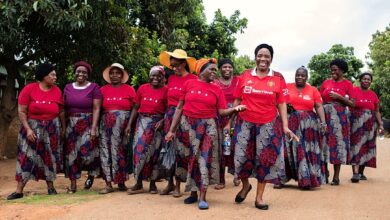
Liberation Day is celebrated annually in various cities across the country, with popular events including street festivals, live music performances, and celebratory marches, expressing the importance of this event in the political history of Congo and the transformation it has undergone in its modern trajectory.