Wars in Africa turn postpartum hemorrhage into a deadly crisis for mothers
A simple tool that detects danger early and reduces maternal mortality
Written by Muhammad Imran
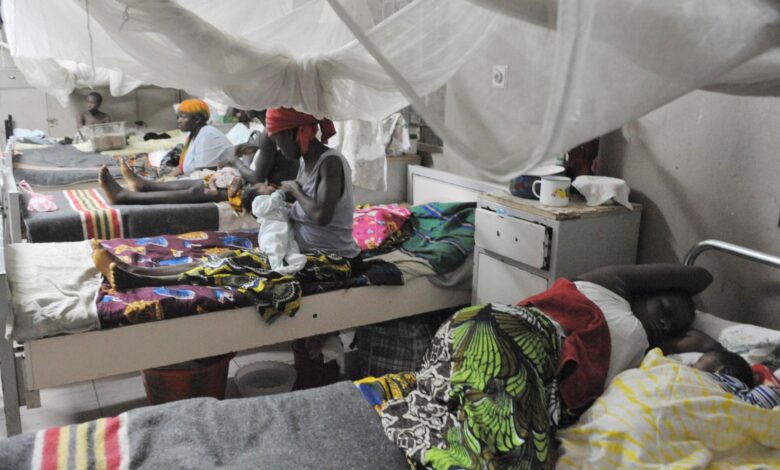
The risks of severe bleeding during childbirth and puerperal sepsis are increasing in a number of countries. AfricaAmidst a complex interplay of medical and humanitarian factors, foremost among them armed conflicts and deteriorating security conditions in some areas, wars lead to the destruction or disruption of health facilities, and make it difficult for pregnant women to reach hospitals in a timely manner, which raises the rates of complications and deaths.
Wars in Africa turn postpartum hemorrhage into a deadly crisis for mothers
In this context, the risk of bleeding and sepsis is increasing not only as medical cases, but as part of a broader humanitarian crisis linked to the weakness of health systems in conflict-affected areas, where hospitals suffer from a severe shortage of equipment, medicines and trained medical personnel, in addition to significant pressure due to the number of displaced people.

Displacement resulting from conflicts further complicates the situation, as thousands of women are forced to give birth in unsafe conditions or without adequate medical supervision, which increases the likelihood of delays in diagnosis and treatment, two crucial factors in saving the mother's life.
Although these complications can be medically controlled if early care is available, the reality in many African countries, especially those affected by conflicts, makes access to health services a major challenge, turning treatable conditions into preventable deaths.
Postpartum hemorrhage and sepsis threaten mothers, but a study is saving lives.
The data shows that postpartum hemorrhage causes about 70,000 deaths annually worldwide, the vast majority of which occur in African and South Asian countries, while pregnancy-related infections, especially puerperal sepsis, represent another major cause of high maternal mortality rates.

In a recent study conducted in Sierra Leone, a simple medical tool known as the “shock index,” which measures the relationship between heart rate and blood pressure, was tested to assess a woman’s health during pregnancy or after childbirth. The results proved that this index is capable of detecting health deterioration in its early stages, allowing for medical intervention before the condition worsens.
This tool is of great importance in resource-limited environments, where many hospitals in Africa suffer from a lack of advanced medical equipment and accurate monitoring tools, making traditional diagnosis less able to detect critical cases in a timely manner.
The study showed that a high shock index is directly related to an increased risk of serious complications, including severe bleeding or sepsis, and may even require an urgent blood transfusion or life-saving surgical intervention. In contrast, a low index indicates a stable condition and a lower level of risk.

The researchers also developed an additional system known as CRADLE, a simple device that combines pulse and blood pressure measurement, and relies on a traffic light system (green, yellow, red) to alert the medical staff to the degree of danger. This system has proven effective in improving the speed of medical response and the accuracy of diagnosis.
The results indicate that introducing these tools into primary healthcare systems can significantly reduce maternal mortality rates, especially when combined with medical staff training programs and the development of referral mechanisms between health facilities.

Despite the importance of these innovations, challenges remain, especially in rural areas that suffer from weak health infrastructure and difficulty accessing medical services, which increases the risk of complications related to pregnancy and childbirth.
Researchers emphasize that the solution is not limited to technology alone, but also includes strengthening health systems, providing low-cost tools, and training health sector workers, in order to ensure that more mothers' lives are saved and mortality rates are reduced in Africa.