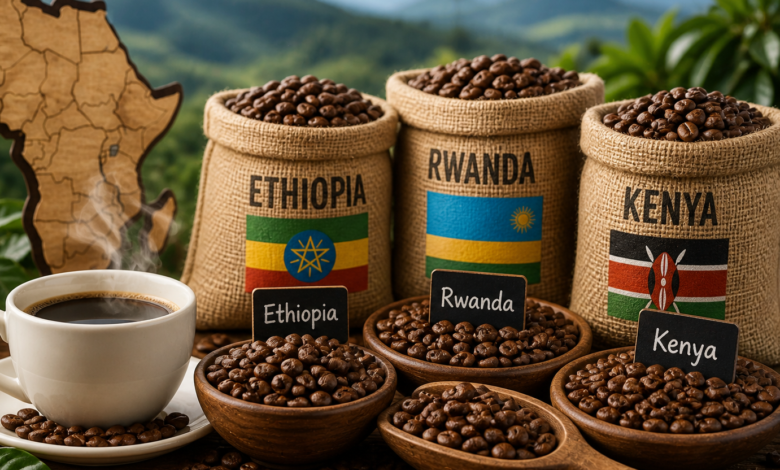
Africa's best coffee beans: Ethiopia leads, with Rwanda and Kenya strong competitors.
Quality of African coffee
Written by: Mohamed Ragab
TasteAtlas, a website specializing in food rankings, revealed Drinks Around the world, regarding its list of the best coffee beans in Africa for 2026, which showed the clear dominance of African coffee-producing countries, most notably EthiopiaAlong with a strong presence from both Rwanda and Kenya.
This ranking reflects the growing status of African coffee in global markets, especially with the increasing demand for premium and specialty coffee, which is distinguished by its unique flavors and high quality.
Ethiopia is in the lead
Gesha Village Estate came in first place with its “1931 Natural” product, after receiving a high rating of 4.9 out of 5, thanks to its distinctive taste that combines the flavors of jasmine, brown sugar and berries.
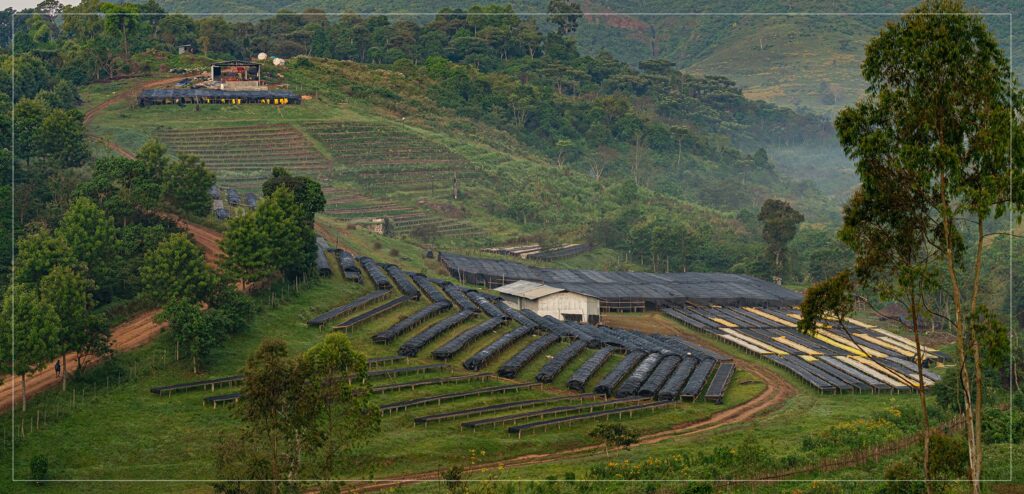
Ethiopia is considered the birthplace of coffee worldwide, as specialized reports indicate that the famous Arabica plant originated in the Ethiopian highlands, before later spreading to various parts of the world.
Rwanda confirms its rise
In second place came Rwacof with its “Ngororero Fully Washed” product, which received a rating of 4.8 out of 5, confirming the rapid development that the coffee sector in Rwanda has witnessed in recent years.
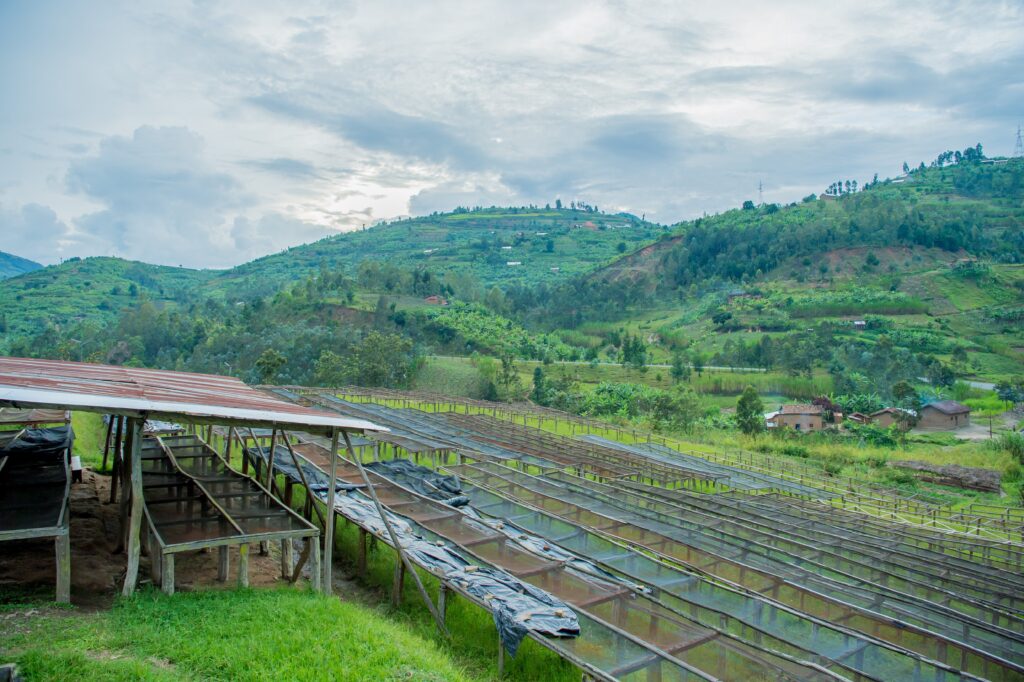
The product is based on the washed processing method, a technique that helps to highlight the pure flavors and balanced acidity, making it sought after by specialty coffee lovers around the world.
Kenya continues its strong presence
Third place went to Karatu Coffee Factory with its product “Karatu AA”, which received a rating of 4.6 out of 5.
Kenyan coffee is known worldwide for its balanced acidity and bright fruity flavors, along with its meticulous processing methods.
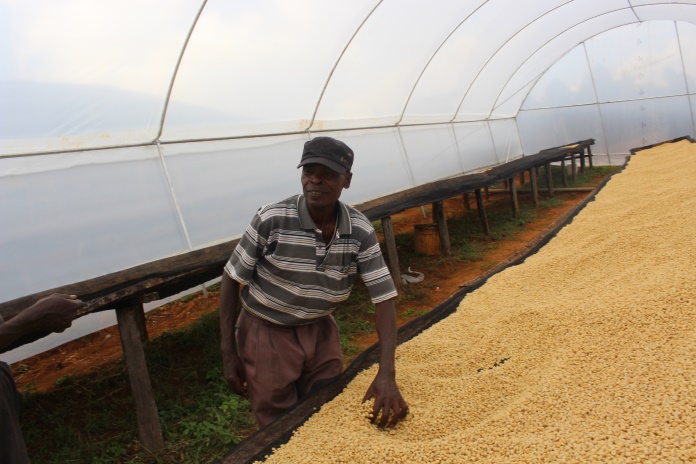
Kenya is one of the largest exporters of high-quality coffee, and its products are in high demand in Europe, Asia, and the United States.
African diversity
The list also included other distinctive varieties such as Harina wild forest coffee, the famous Ethiopian “Geisha” coffee, as well as KwaZulu-Natal wild coffee known as “Racemosa Wild Coffee”, which is characterized by its low caffeine content.
This environmental and geographical diversity confirms that Africa not only produces coffee, but also offers different schools of thought in cultivation, roasting and flavoring, from light floral coffee to strong coffee with an earthy and woody character.
A promising future for African coffee
Industry experts believe that African coffee's leading position in these rankings enhances investment opportunities in local production chains, supports farmers, and gives the continent a greater standing in the highly competitive global coffee market.