Tunisia: Former Justice Minister Noureddine Bhiri sentenced to 20 years in prison
fake passports and nationalities

Written by: Mohamed Ragab
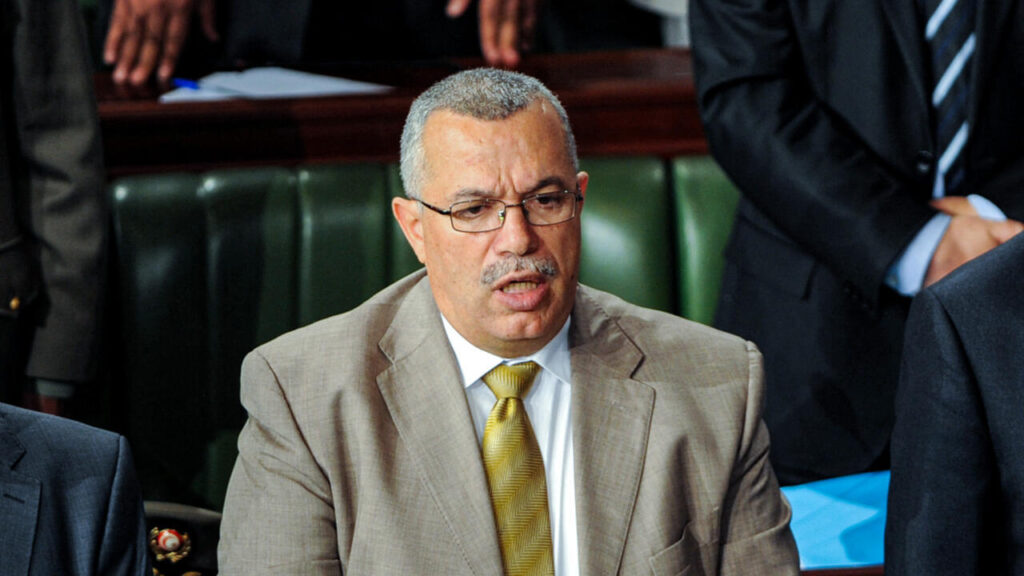
The court issued Tunisian A court specializing in terrorism cases sentenced former Justice Minister Noureddine Bhiri to 20 years in prison in connection with the case known in the media as ”fabricated passports and nationalities,” which relates to suspicions of facilitating the granting of Tunisian identity documents and passports to foreigners during his tenure as Minister of Justice in 2012.
According to what was reported by the news agency Tunisian According to a judicial source, the Criminal Chamber specializing in terrorism cases at the Court of First Instance in Tunis issued prison sentences ranging from 11 to 30 years against a number of defendants in the case, which includes charges of ”fabricating passports, forging nationality documents and handing them over to foreigners wanted in terrorism cases.”.
Sentences against Tunisian officials
The initial sentences included 20 years imprisonment for both Noureddine Behiri and former security official Fathi Baldi, while the court issued in absentia sentences of 30 years imprisonment with immediate effect for Muath Khraiji and three other defendants who are fugitives, without disclosing their identities.
The court also sentenced two other defendants to 11 years in prison, with all convicts subject to administrative supervision for five years after the end of the sentence, while it decided to remove the name of former Tunisian Prime Minister Hamadi Jebali from the list of defendants in the case.
According to the judicial authorities, the case dates back to the granting of Tunisian identity documents to a Syrian man and his wife based on old Tunisian passports obtained from the Tunisian embassy in Vienna between 1982 and 1984.
The investigations say that the process of documenting the identity and granting citizenship to the two individuals was fabricated later in 2012, while Al-Bahiri was in charge of the Ministry of Justice.
Linked to international terrorism cases
Authorities indicate that the granted documents enabled a Syrian individual linked to international terrorism cases to obtain Tunisian citizenship and identity, which the Public Prosecutor's Office considered a serious violation of legal and security procedures.
In contrast, Al-Bahiri and his defense team deny all the accusations against him, asserting that the case is politically motivated and lacks strong legal evidence. The defense also maintains that the documents originate from periods unrelated to Al-Bahiri, arguing that holding him responsible constitutes a politically motivated targeting of Ennahda movement leaders.