Tuna fishing in Libya: A historical legacy renewed, and festive rituals adorn the coasts.
The Gulf of Sirte is a major center for tuna migration and fishing.
Written by: Mohamed Ragab
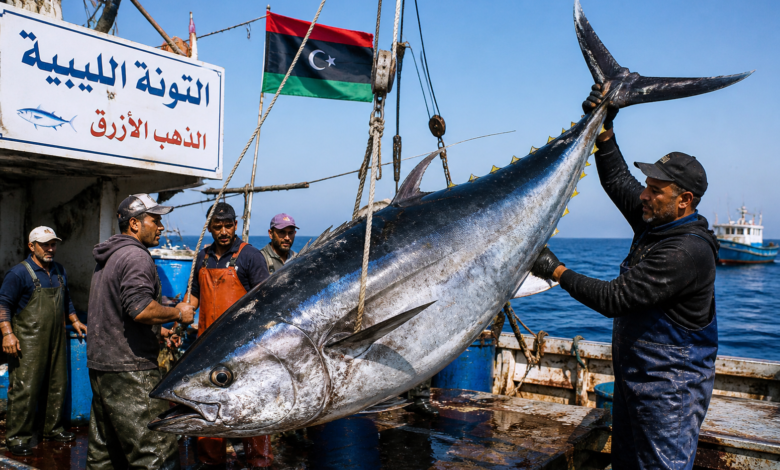
Tuna is LibyanKnown locally as “blue gold”, it is one of the most prominent strategic marine resources in Libya, due to its great economic and nutritional importance, as well as its position in global markets, especially with the high demand for high-quality types of bluefin tuna.
The Gulf of Sirte stands out as one of the most important fishing centers. Tuna In the region, migrating tuna schools pass annually along the Libyan coast, which stretches for more than 1,900 kilometers, making the country a strategic location for the breeding and fishing of these fish.
The hunting season runs from April to July.
The tuna fishing season in Libya usually extends from mid-April to July each year, as the schools move from the west of the country near the Bouri field towards Benghazi in the east, which makes this period the peak of activity for fishermen and marine fishing companies.
Estimates indicate that annual tuna production reaches approximately 902 tons, while the official quota allocated to Libya is approximately 2,253 tons, reflecting significant opportunities to increase the utilization of this vital marine resource.
Economic importance and support for hard currency
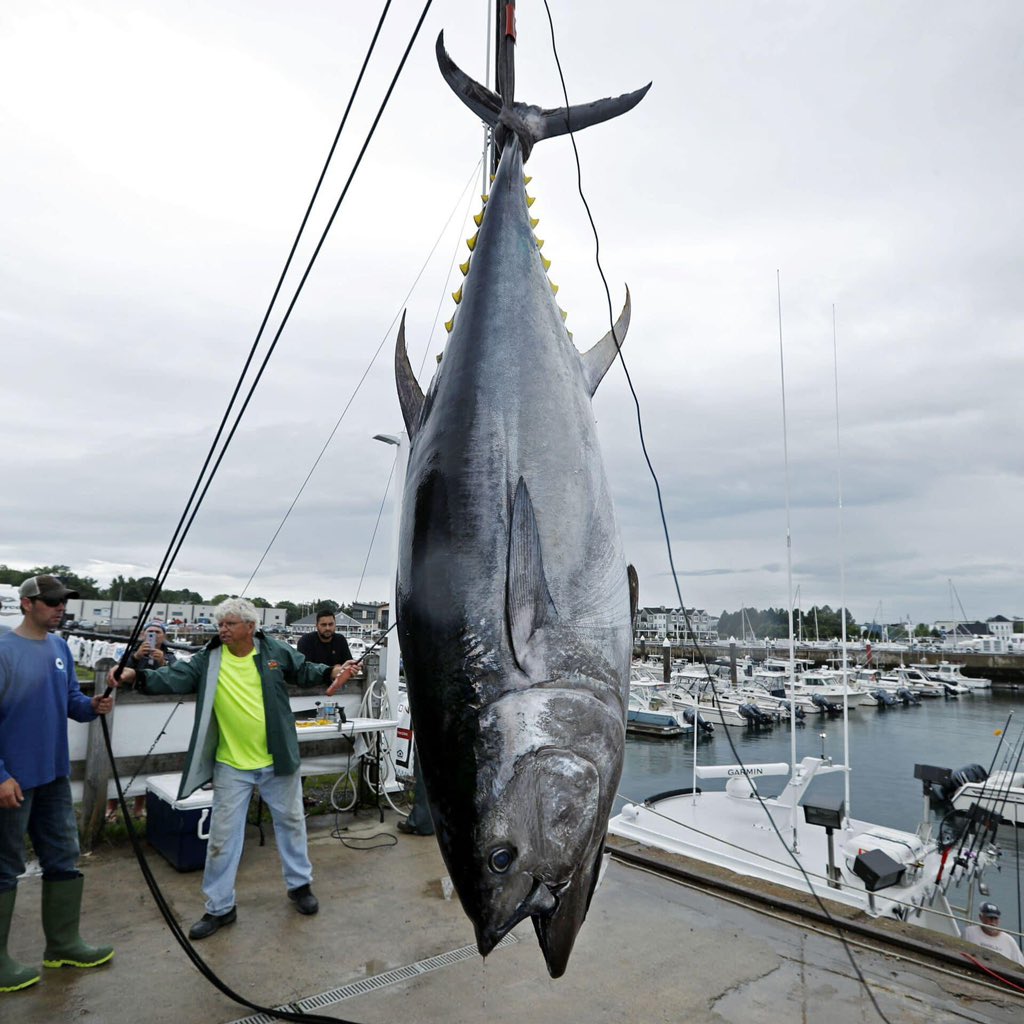
Libyan tuna exports contribute to supporting the national economy and providing foreign currency, as Libyan tuna enjoys a good reputation globally due to the quality of its meat and its large sizes, making it in demand in a number of international markets, most notably Japan.
The relevant authorities, headed by the Ministry of Marine Resources, are working to regulate fishing operations according to specific international quotas, in addition to using modern technologies to maintain the sustainability of fish stocks and prevent overfishing.
Historical legacy of tuna fishing
The culture of tuna fishing in Libya is linked to a long history, through a traditional technique known as “Madrague”, a method that relies on setting up complex nets to catch schools of tuna during their migration.
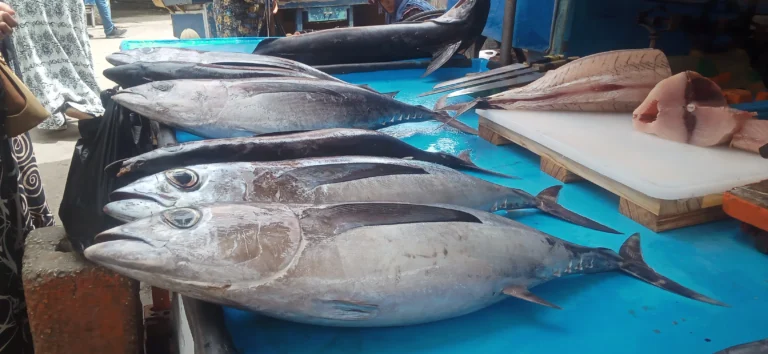
This activity was not merely an economic activity, but also constituted an annual social occasion that brought together sailors and residents of coastal cities, as the beginning of the fishing season was associated with celebrations and popular songs that reflected the Libyan maritime identity.
From heritage to modern industry
In modern times, this culture has evolved into a professional sector that combines traditional expertise with modern technology, with Libyan ships being equipped with trained crews and advanced equipment, while tuna has become part of the local popular cuisine and a symbol of pride in Libya’s natural resources.