Democratic Republic of Congo races against time to contain Ebola... and warnings of an outbreak
Growing fears of an Ebola outbreak in eastern Democratic Republic of Congo
Written by: Mohamed Ragab
Health authorities in the Democratic Republic of Congo are continuing their intensive efforts to contain the Ebola outbreak, amid official warnings that chains of transmission are still active, as international concern grows over the disease spreading both within and outside the country.
Health officials confirmed that infection hotspots continue to report new cases, particularly in the eastern province of Ituri, where the health system is under immense pressure due to the high number of suspected cases and a shortage of medical resources. The World Health Organization describes the situation as “high risk” at both the national and regional levels, especially given the ongoing movement across borders.
This is the seventeenth Ebola outbreak in the Democratic Republic of Congo since the disease was first discovered in 1976, but current concerns are growing due to the spread of the rare “Bundibugyo” strain, for which there is still no officially approved vaccine or treatment.
A rare strain further complicates the health crisis.
Health reports indicate that the virus spread silently for weeks before it was officially detected, leading to a rise in potential infections and deaths in several areas in the east of the country.
According to data from the World Health Organization and the Congolese Ministry of Health, dozens of confirmed cases have been recorded, along with hundreds of suspected cases, while the number of announced deaths has exceeded hundreds according to initial estimates, with expectations that the real numbers are higher than announced due to weak testing and monitoring capabilities.
The danger of the Bundibugyo strain lies in the fact that there are no effective vaccines against it yet, unlike some other Ebola strains that have seen the development of dedicated vaccines in recent years.
The rapid transmission of the infection through bodily fluids and direct contact also makes it more difficult to control the outbreak.
Protests and equipment shortages hamper containment efforts
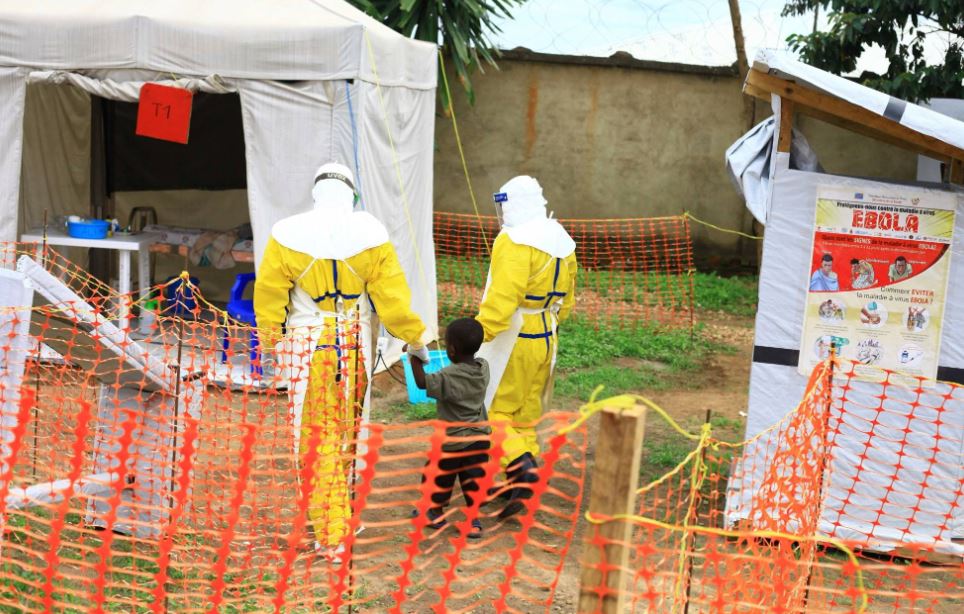
Medical response teams face significant challenges on the ground, including shortages of medicines, protective equipment, and transportation used in contact tracing, as well as the spread of rumors and the refusal of some residents to comply with imposed health measures.
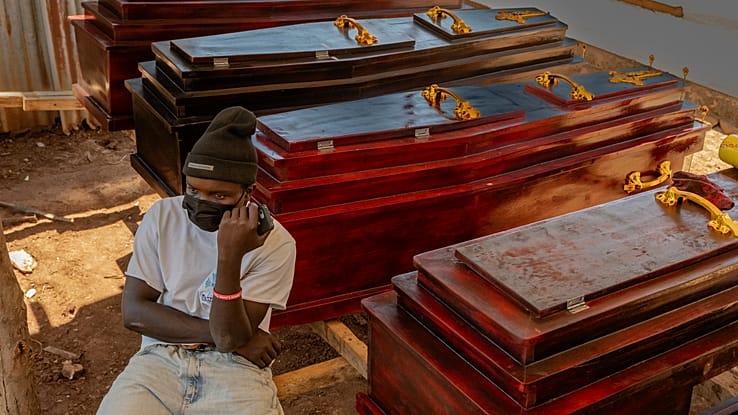
Some of the affected areas witnessed protests and violence after families refused to hand over the bodies of their relatives to safe burial teams, leading to clashes and the destruction of health centers, which increases the risk of infection spreading within local communities.
Authorities have also imposed restrictions on public gatherings and funeral ceremonies in an effort to curb the spread of the virus, while additional isolation centers are being set up in the worst-affected areas.
International warnings of the widening spread of the virus
The current health crisis has raised increasing international concerns, especially after cases linked to the outbreak were recorded in Uganda, in addition to the transfer of infected or suspected foreign nationals to European countries for treatment.
The World Health Organization warned against underestimating the seriousness of the situation, stressing that continued active chains of infection could lead to the disease spreading to neighboring countries if containment measures are not strengthened quickly.
In contrast, the government of the Democratic Republic of Congo appealed to the international community for urgent support to strengthen health response capabilities, noting that the decline in international funding in recent years has negatively affected the health sector’s readiness to confront epidemics.