From stigma to livelihood: The journey of female rickshaw drivers in Sierra Leone
Breaking the barriers to find a livelihood in Sierra Leone
Years ago, seeing a woman driving a car to earn money in Africa was considered a figment of the imagination, but in 2026 it became normal due to the financial and living pressures that women suffer from, which pushed them to enter fields that were, until a few years ago, limited to men only.
Women drive public transport vehicles in Sierra Leone
In a scene reflecting rapid social and economic transformations, women in Sierra Leone have begun to break into the public transport sector by driving rickshaws, in a move that defies social restrictions and opens a new door for women's empowerment.
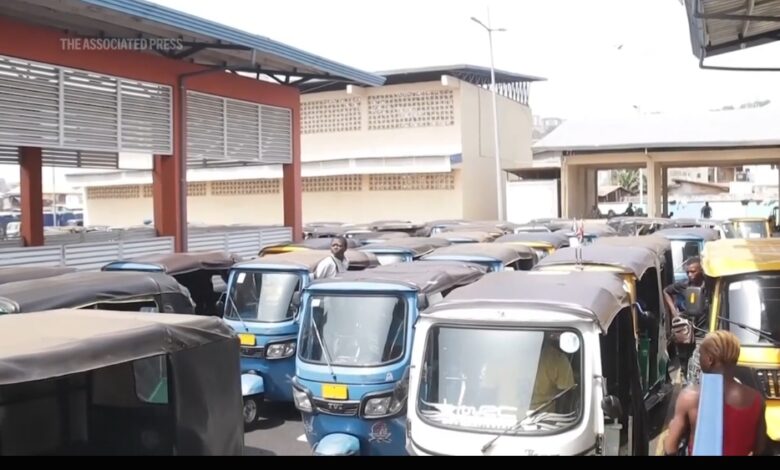
In the capital, Freetown, according to a report published by the Associated Press, driving keke cars is no longer exclusive to men, as increasing numbers of women have emerged working in this field, despite the challenges associated with society's view of the nature of the work.
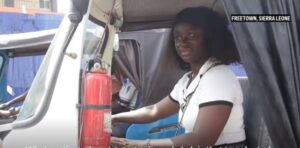
The story of Hawa Mansarai, a 27-year-old single mother, stands out as a model of this transformation, as she found in this profession a stable source of income and an opportunity to support her child after multiple professional experiences.
A woman drives a cart in Sierra Leone
This phenomenon comes amid an increasing reliance on rickshaws as a primary means of transportation, especially given the weak public transport infrastructure in Freetown, which has experienced a significant population boom exceeding 1.5 million people, exceeding the capacity of current services to accommodate them.
Despite the criticisms this mode of transport faces in terms of safety and vehicle quality, it still enjoys widespread popularity due to its accessibility and low cost compared to other means of transportation.
The kikia is no longer just a means of transportation, but has become a symbol of women’s ability to break down traditional barriers and enter fields that were closed to them, thus enhancing their economic and social role.
This experience reflects a gradual transformation in Sierra Leonean society, where women are contributing to reshaping the labor market and proving their ability to compete in sectors that have long been dominated by men, amid ongoing economic challenges that the country has been striving to overcome since the end of the civil war.